Introduction to Dartmouth College
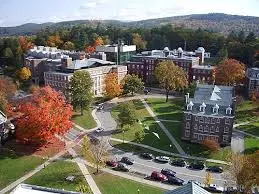
Dartmouth College, located in Hanover, New Hampshire, is one of the Ivy League institutions that has continuously ranked among the top universities in the United States. Founded in 1769, Dartmouth is recognized for its rigorous academic programs, commitment to liberal arts education, and vibrant campus life. As the only Ivy League school in New England that is situated in a rural area, Dartmouth offers a unique blend of tradition and modernity, making it an important subject of interest for prospective students and higher education on the whole.
Academic Excellence
Dartmouth College is renowned for its diverse academic offerings, which include 57 undergraduate majors and numerous graduate programs across various fields. The college promotes a culture of undergraduate research and has a notable faculty-to-student ratio of 7:1, ensuring personalized attention for students. The institution’s commitment to liberal arts education allows students to explore multiple disciplines before focusing on a specific area of study, often resulting in interdisciplinary education that enhances critical thinking skills.
Campus Life and Student Organizations
With over 435 student organizations, including cultural, academic, and social groups, student life at Dartmouth is vibrant and dynamic. The campus environment fosters a strong sense of community, while the picturesque setting of the Upper Valley region encourages outdoor activities such as hiking, skiing, and river sports. The college also holds traditions such as the Dartmouth Outing Club and the Winter Carnival, which brings students together and enhances the college experience.
Recent Developments and Initiatives
In recent years, Dartmouth has worked on expanding its campus facilities, including a new performing arts center and renovations to existing dormitories to support modern living standards. Additionally, the college has launched various initiatives aimed at enhancing diversity and inclusion among the student body, aiming to create a welcoming environment for students from all backgrounds. Programs to support mental health and well-being have also been prioritized, reflecting the institution’s commitment to its students’ overall experience.
Conclusion
Dartmouth College stands as a beacon of academic rigor and student engagement. With a rich history, commitment to liberal arts, and continually evolving campus initiatives, it remains a significant player in higher education, influencing the academic trajectories of countless students. As the college looks to the future, it is expected to continue fostering innovative educational practices that prepare its graduates for the complexities of a global society.