Introduction
Latvia, a beautiful Baltic nation bordered by the Baltic Sea, Lithuania, Estonia, and Russia, has a rich cultural heritage and a storied past. Its position at the crossroads of Eastern and Western Europe has influenced its development significantly. Understanding Latvia’s significance today is crucial not only for appreciating its unique identity but also for recognizing its role within the European Union and the broader geopolitical landscape.
Historical Significance
Latvia declared independence from Russia in 1918, but it faced numerous challenges throughout the 20th century, including occupations by Nazi Germany and the Soviet Union. Regaining independence in 1990 marked a pivotal moment in Latvian history. The country’s transition from a Soviet republic to a modern democracy has been commendable, emphasizing the importance of sovereignty and national identity.
Current Events and Culture
In recent years, Latvia has garnered attention for its vibrant cultural scene, characterized by music, art, and festivals. The annual Riga City Festival, which celebrates the capital’s rich history, showcases performances, parades, and local cuisine, attracting both locals and tourists alike. The capital city, Riga, known for its stunning architecture and UNESCO World Heritage Sites, serves as a cultural hub, promoting both traditional and contemporary Latvian art.
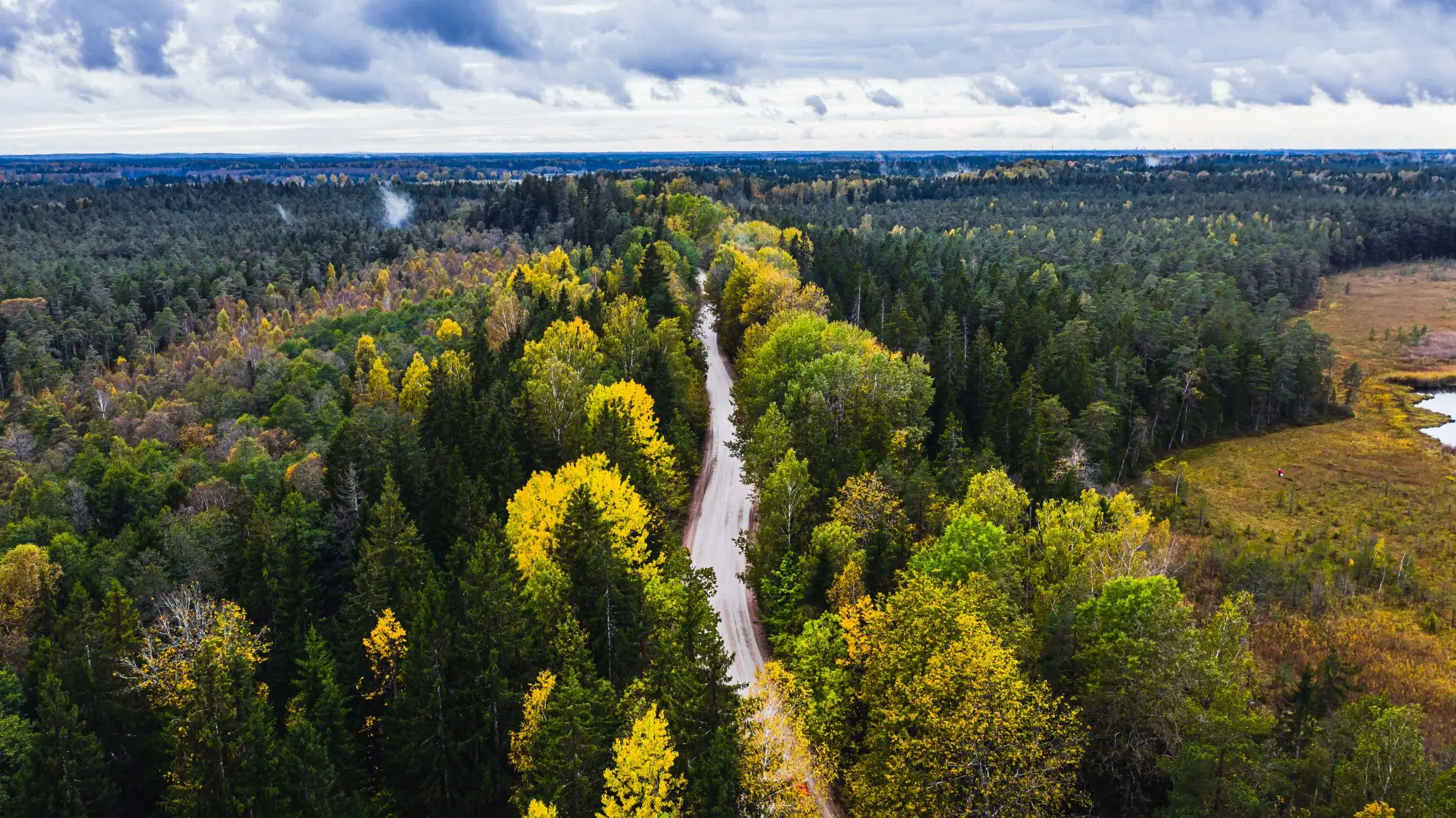
The country is also known for its commitment to environmental sustainability and the preservation of its natural landscapes. Latvia boasts numerous national parks, offering opportunities for outdoor adventures such as hiking, birdwatching, and exploring pristine lakes and forests.
Future Prospects
Looking ahead, Latvia’s integration into the European Union has provided it with numerous opportunities for economic development and international collaboration. As it continues to navigate challenges such as economic stability and demographic changes, Latvia is focused on fostering innovation and improving infrastructure to attract investment and tourism.
Conclusion
In conclusion, Latvia stands as a testament to resilience and cultural richness. By understanding its history and current dynamics, readers can appreciate the significance of Latvia in a European context. With an eye toward the future, Latvia is poised to further develop and celebrate its unique identity while contributing to regional cooperation and stability.