Introduction
Liechtenstein, a small yet significant principality nestled between Switzerland and Austria, may not be a household name, but it plays a vital role in European affairs and economics. Known for its stunning landscapes, robust financial services sector, and unique status as one of the world’s smallest countries, Liechtenstein has drawn attention for its stability and quality of life. As global dynamics evolve, understanding this diminutive nation is increasingly relevant.
Current Economic Landscape
As of late 2023, Liechtenstein has demonstrated impressive economic resilience. Despite challenges posed by global inflation and geopolitical tensions, the principality’s economy is projected to grow by 2.5% this year. A significant factor in this growth is its thriving financial services sector, which is an essential part of the nation’s GDP. The solid banking regulations and tax system have attracted numerous international businesses and investors, making Liechtenstein an appealing destination for economic activity.
Political Stability and Recent Developments
Liechtenstein is known for its political stability, fundamental to its business-friendly environment. Recently, discussions have been ongoing regarding further integration with Switzerland, particularly in trade and transportation. In October 2023, a series of bilateral meetings aimed at enhancing economic cooperation resulted in agreements that could streamline trade routes and reinforce the principality’s position as a commercial hub. Moreover, the government is also investing in technological innovations to enhance its digital economy, increasing competitiveness on the global stage.
Cultural Significance
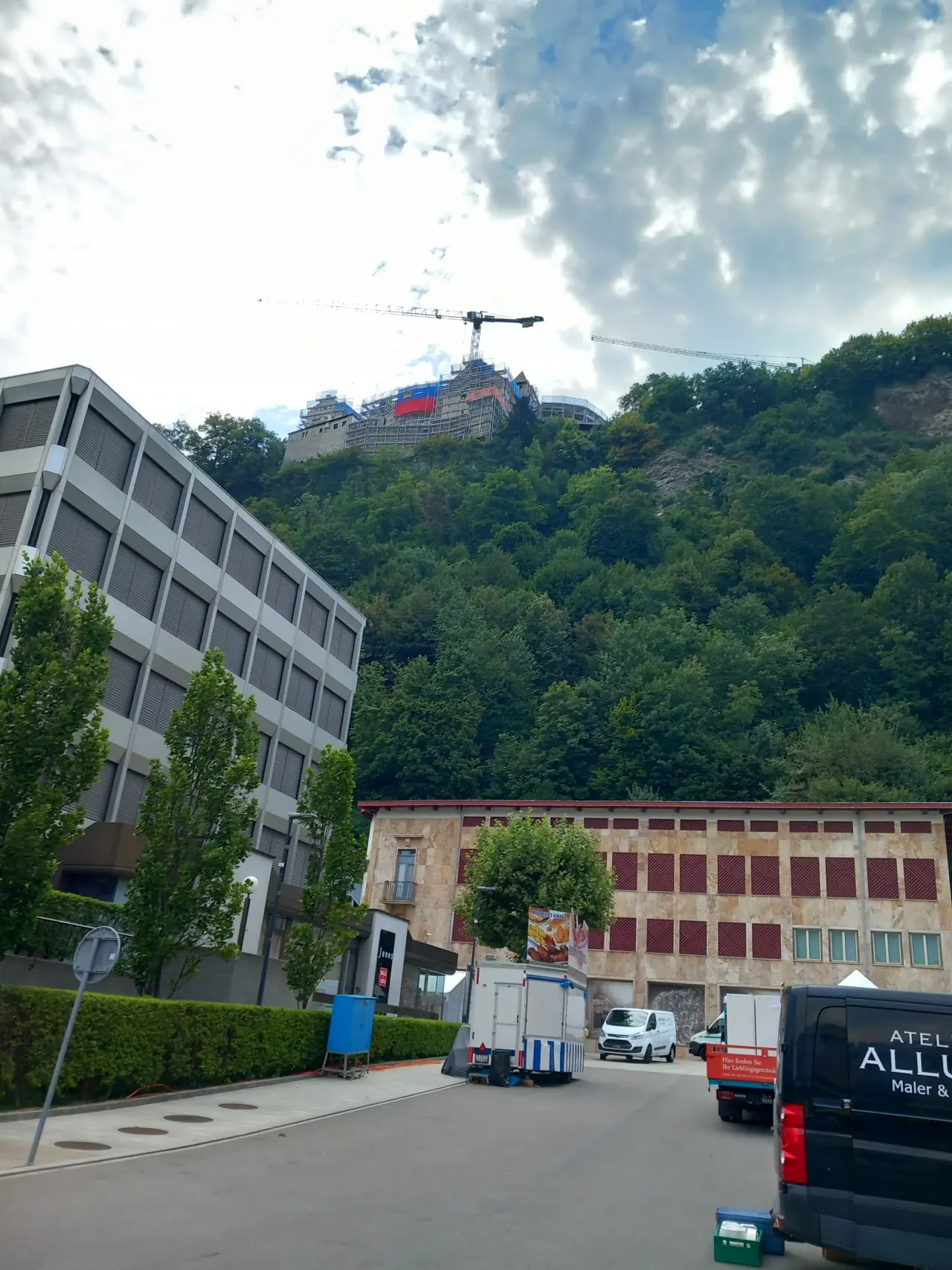
Although small, Liechtenstein boasts a rich cultural heritage. The capital, Vaduz, is home to the Liechtenstein National Museum, showcasing the country’s history from prehistoric to modern times. Additionally, the annual International Art Festival held in the capital attracts artists and art enthusiasts worldwide, promoting cultural exchanges and tourism. The principality’s unique blend of Alpine traditions and modern influences makes it a fascinating place for travelers.
Conclusion
In summary, Liechtenstein’s economic stability, political engagement, and cultural richness present a picture of a nation that, while small in size, possesses significant attributes of relevance in today’s global landscape. As political and economic changes continue to unfold in Europe, observing the developments within Liechtenstein will be crucial for understanding broader regional dynamics. For those interested in international affairs or European culture, keeping an eye on this picturesque principality can offer valuable insights into global trends.