Introduction
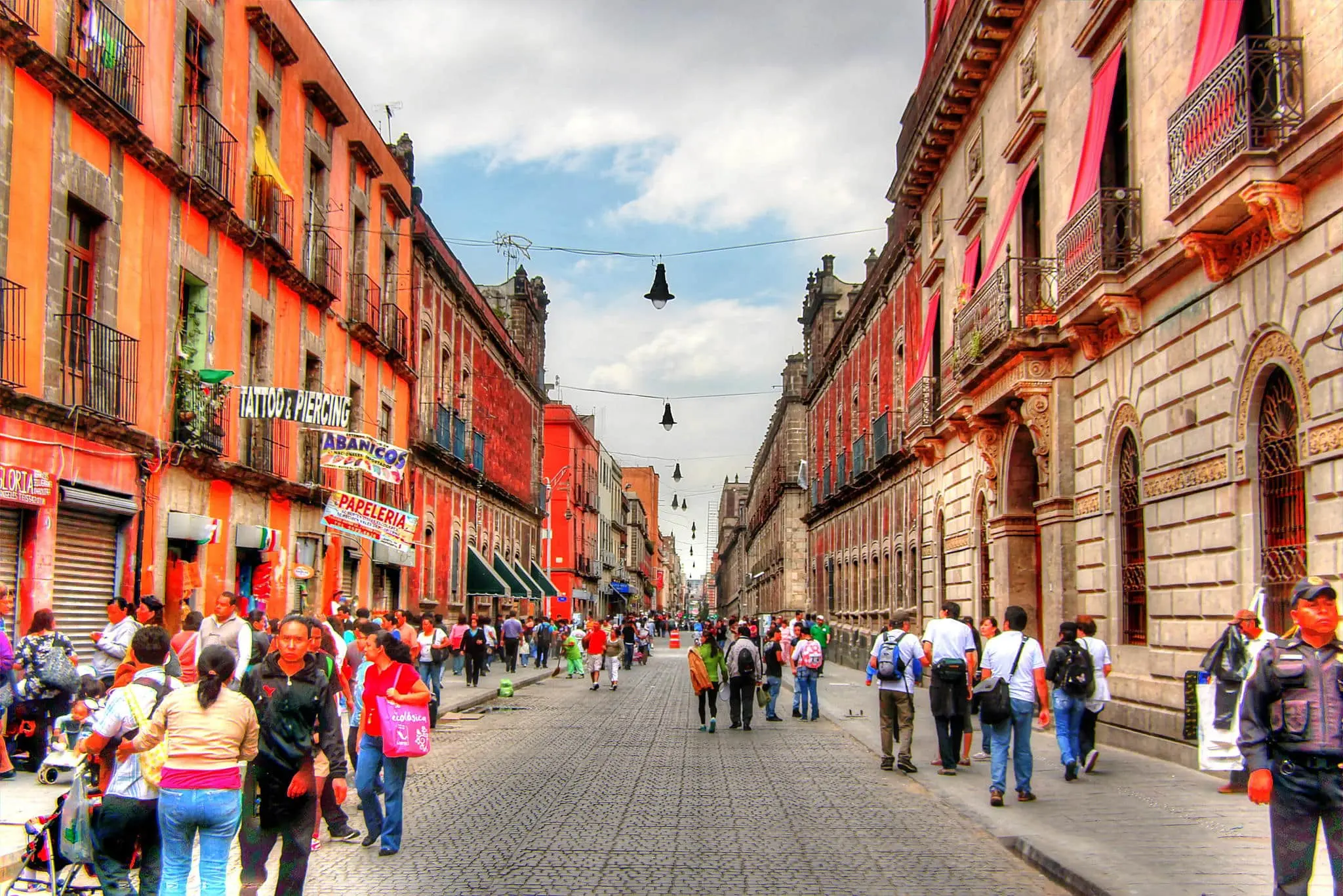
Mexico City, the bustling capital of Mexico, stands as a testament to the rich cultural heritage and rapid modernization of the country. As the largest city in North America, it is not only a key political and economic center but also a vibrant cultural hub that attracts millions of tourists each year. Understanding the dynamics of this metropolis is essential, given its significant influence on both regional and global scales.
Historical Significance
The capital was built on the ruins of the ancient Aztec city of Tenochtitlán, a fact that adds to its allure. The historic center of Mexico City is recognized as a UNESCO World Heritage Site, featuring stunning landmarks such as the Metropolitan Cathedral and the National Palace. These historical sites serve as reminders of the city’s extensive history, showcasing the blend of indigenous and colonial influences.
Recent Developments
In recent years, Mexico City has seen various developments that enhance both its infrastructure and appeal. The government has invested heavily in sustainable urban transport, including the expansion of its metro system and the introduction of more eco-friendly public buses. These improvements not only ease daily commutes for residents but also accommodate the increasing number of tourists flocking to the city.
Additionally, the city is ambitiously focused on sustainability. Initiatives to reduce air pollution and improve green spaces have been prioritized, leading to the establishment of parks and pedestrian-friendly areas. The recent launch of the ‘BiciTaxi’ project aims to promote non-motorized transport, contributing to a cleaner environment.
Cultural Events and Attractions
Cultural vibrancy thrives in Mexico City, making it a captivating destination for visitors. Key events such as the Day of the Dead celebrations attract tourists from around the globe, offering an immersive experience into local traditions. Art aficionados can explore the Frida Kahlo Museum and the many galleries that dot the city, showcasing contemporary and traditional Mexican art.
The culinary scene is also noteworthy, with Mexico City’s diverse offerings reflecting its multicultural makeup. Michelin-starred restaurants coexist with traditional street food vendors, making it a gastronomic paradise.
Conclusion
In conclusion, Mexico City is a dynamic blend of history, culture, and modern advancements, representing the heartbeat of Mexico. As the city continues to evolve and enhance its infrastructure, its global relevance is set to grow. For travelers and residents alike, Mexico City remains a place of endless exploration and discovery, embodying the spirit of a nation that is rich in heritage and hopeful for the future.