Introduction
The 2030 Winter Olympics, which are poised to be a significant global sporting event, highlight the growing anticipation for winter sports and international cooperation. As the world emerges from the pandemic, the focus on the upcoming games underscores both the athletic spirit and the economic opportunities associated with hosting such an event.
Host City Selection
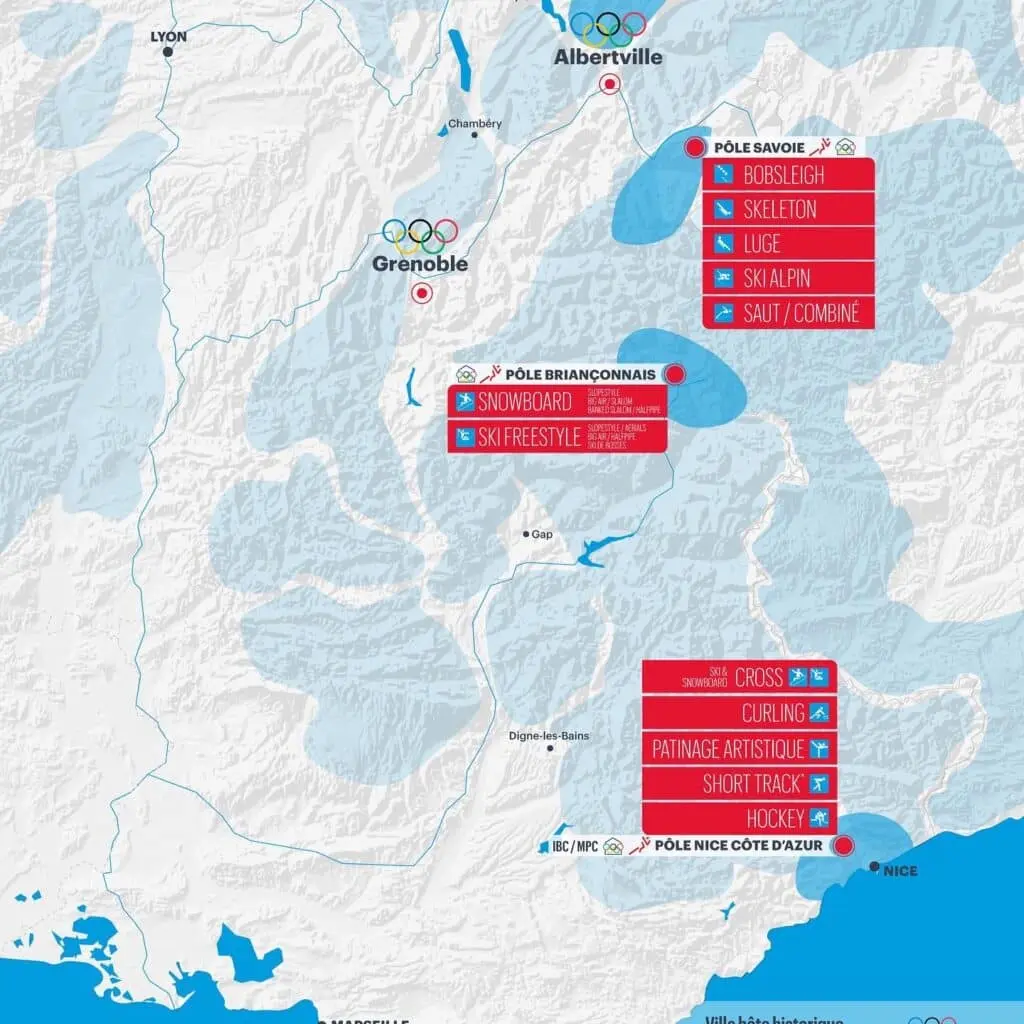
As of October 2023, the host city for the 2030 Winter Olympics remains a topic of discussion among the International Olympic Committee (IOC) and potential candidate cities. Major contenders include Salt Lake City, USA, and Sapporo, Japan. Salt Lake City notably hosted the Winter Olympics in 2002, while Sapporo was the host in 1972. The decision on the host city is expected to be made in 2024. Various cities are positioning themselves with the promise of advanced infrastructure and a commitment to sustainability, making it crucial for the IOC to evaluate each bidding city’s ability to deliver an unforgettable experience.
Environmental Considerations
With the ongoing climate crisis, sustainability has become a paramount concern for the planning of the 2030 Winter Olympics. Host cities are being urged to implement eco-friendly initiatives, including the use of renewable energy, waste reduction strategies, and transportation improvements to lessen their carbon footprint. This focus on sustainability is not only essential for the environment but also serves to inspire future generations of athletes and spectators about the importance of ecological stewardship.
Anticipated Events and Athletes
The 2030 Winter Olympics are expected to feature all traditional winter sports, including skiing, skating, and snowboarding, as well as newer events that reflect the changing dynamics of winter sports. Athletes from around the world will be vying for gold medals, with particular attention on champions such as Mikaela Shiffrin and Nathan Chen, who have already set high expectations for their performances.
Conclusion
The 2030 Winter Olympics hold the potential to reignite enthusiasm for winter sports on a global scale, while also presenting opportunities for host cities to showcase their cultural heritage and commitment to environmental sustainability. As preparations continue, the IOC and candidate cities must navigate the challenges posed by the pandemic and climate change. The decisions made in the lead-up to this significant event will not only impact the athletes and spectators of 2030 but could also set a precedent for future Olympic Games.