Introduction
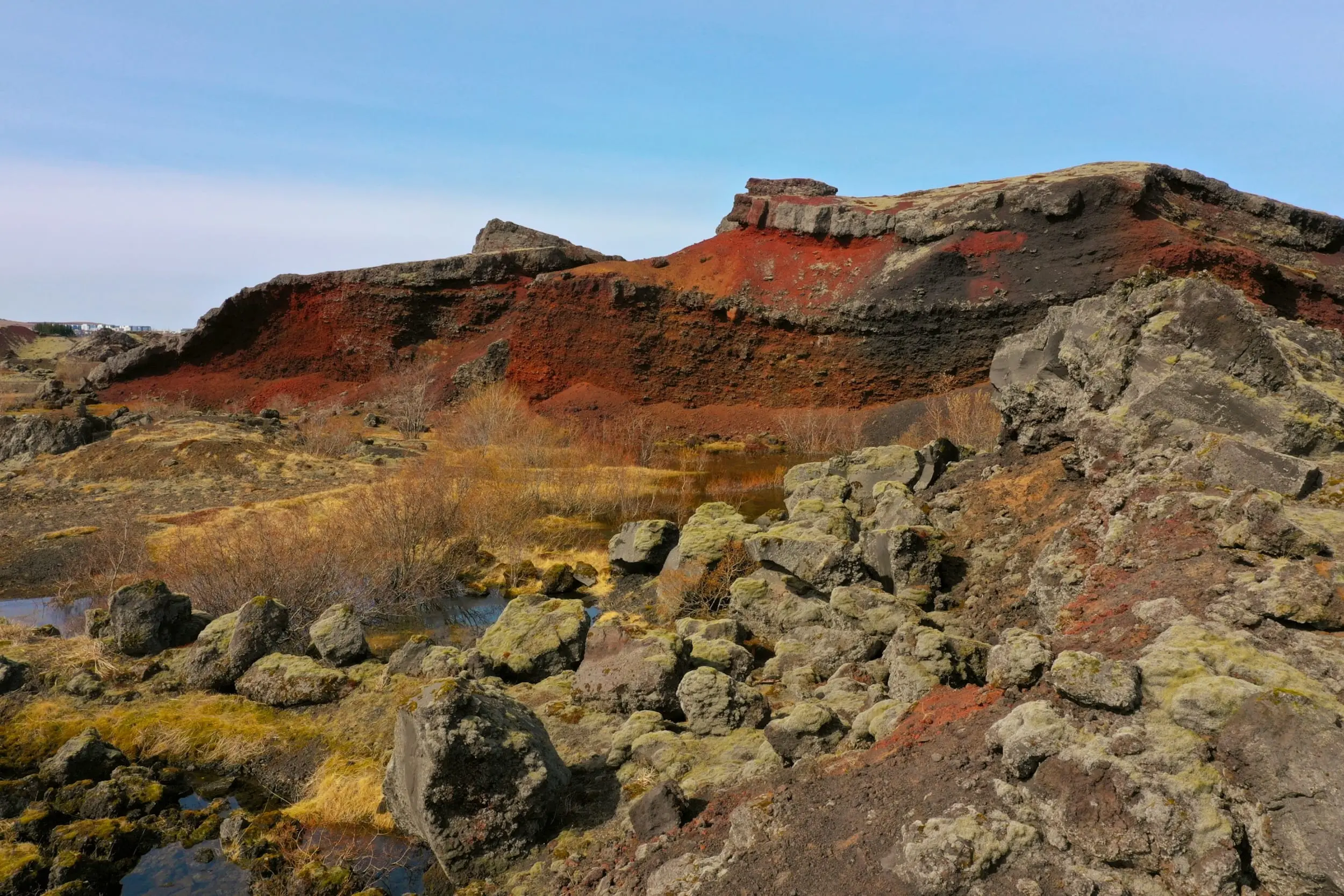
Iceland, known for its stunning natural landscapes and rich cultural heritage, has rapidly become one of the most sought-after travel destinations in recent years. Famous for its volcanoes, geysers, hot springs, and lava fields, the island nation offers not only breathtaking scenery but also unique experiences that draw adventurers, nature lovers, and culture enthusiasts alike. With an increase in tourism post-pandemic, Iceland’s significance in the global travel landscape is more pronounced than ever.
Natural Wonders of Iceland
Iceland’s dramatic terrain features an array of natural wonders, including the famed Golden Circle, which encompasses Þingvellir National Park, Geysir Geothermal Area, and Gullfoss Waterfall. Visitors flock to this route for a chance to see the North Atlantic Rift where the Eurasian and North American tectonic plates diverge, as well as to witness the impressive eruptions of Strokkur, a geyser that erupts every few minutes.
The enchanting Blue Lagoon, a geothermal spa nestled in a lava field, is another major attraction. Its mineral-rich waters offer a unique relaxation experience, making it a perfect stop after exploring the island’s rugged landscapes. Furthermore, Iceland’s northern lights, viewed primarily from September to April, provide a magical sight that captivates thousands each year.
Recent Developments
As Iceland continues to attract tourists, the government has been taking steps to balance economic growth with environmental sustainability. Recently, initiatives have been launched to promote responsible tourism, ensuring that the pristine nature remains unspoiled. The Icelandic Tourist Board has been actively involved in awareness campaigns highlighting the importance of preserving the environment while enjoying its beauty.
In light of challenges posed by climate change, Iceland has committed to eco-friendly practices, including increasing the use of renewable energy sources. The country already boasts one of the world’s cleanest energy profiles, with nearly 100% of its electricity generated from renewable sources, like geothermal and hydropower.
Conclusion
Iceland’s breathtaking landscapes and rich cultural history make it a vital component of global tourism, attracting millions of visitors each year. As the country navigates the complex balance between tourism and environmental sustainability, it remains dedicated to preserving its natural resources for future generations. Travelers seeking adventure, relaxation, or cultural experiences will find that Iceland offers a wealth of opportunities, solidifying its status as one of the world’s top destination choices.