Introduction
Riots have been a significant aspect of human history, representing social unrest and collective action stemming from various grievances. In recent years, incidents of riots have surged globally due to political instability, social injustice, and economic disparity. Understanding the underlying causes and implications of these mass demonstrations is crucial in addressing the root issues and preventing future unrest.
Recent Examples of Riots
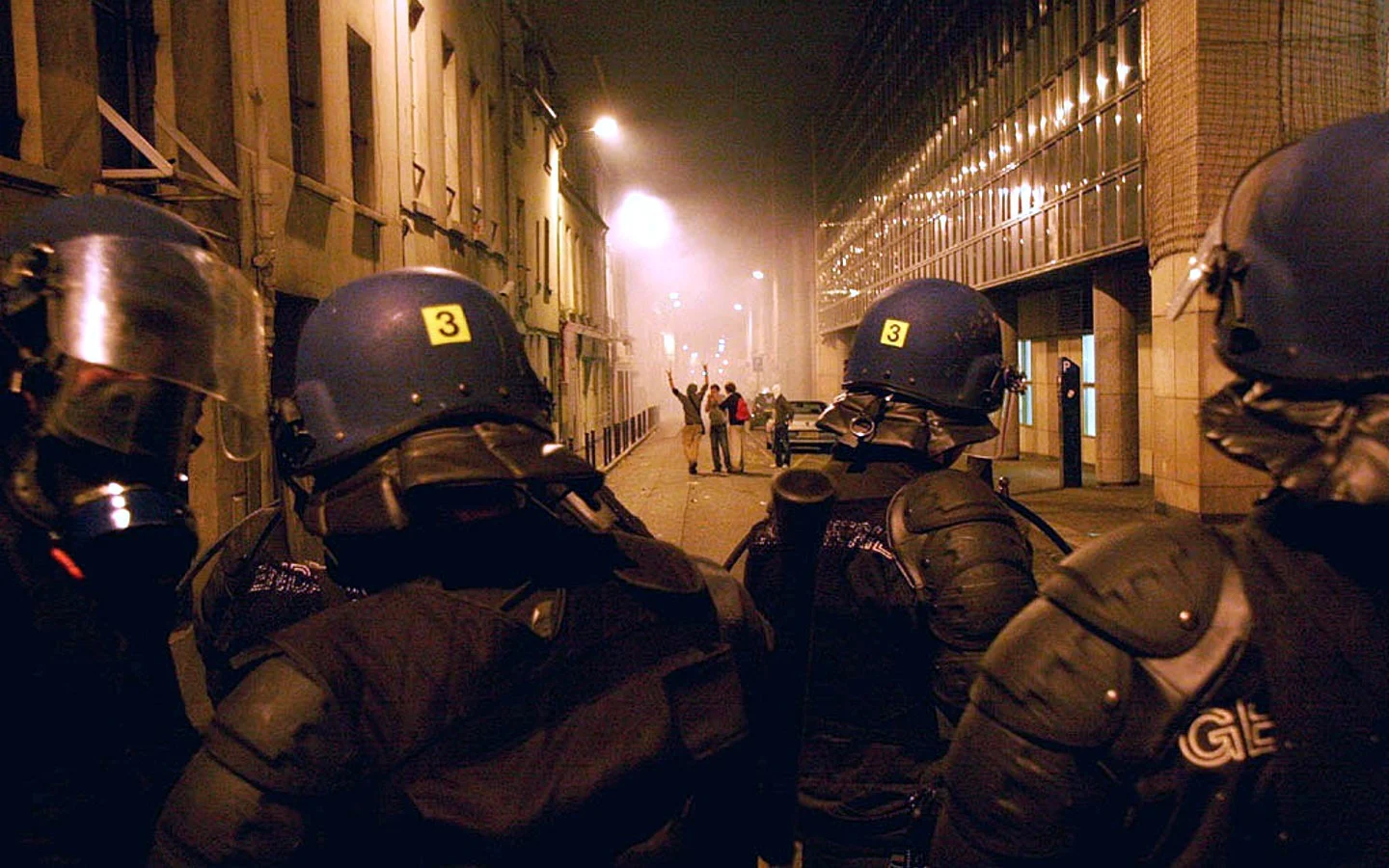
Several notable riots have occurred in 2023, reflecting deep-seated frustrations in various societies. For instance, in July, protests erupted in France following the fatal police shooting of a teenager during a traffic stop, igniting protests across the nation. Demonstrators expressed anger over police violence and systemic racism, leading to widespread riots in major cities.
Additionally, the United States witnessed unrest in response to numerous incidents concerning racial injustice, notably during the anniversary of George Floyd’s death. Such events highlight a continued demand for accountability and change, often culminating in riots as marginalized communities seek to have their voices heard.
Underlying Causes of Riots
The motivations behind riots are often complex, intertwining issues of economic inequality, political corruption, social injustice, and cultural tensions. Experts suggest that these events are typically a response to feelings of powerlessness and frustration among citizens who believe their grievances have been ignored by those in power.
In many cases, the media plays a significant role in shaping public perception and awareness of these issues, often amplifying calls for change. However, it can also contribute to sensationalism, which may escalate tensions and provoke further violence.
Conclusion
As societies evolve, the occurrence of riots may become more common, stemming from a variety of legitimate concerns that require attention and resolution. Moving forward, it is vital for governments and communities to engage in open dialogue, addressing the grievances that lead to such unrest.
By fostering understanding and cooperation, societies can work towards minimizing the conditions that lead to riots while promoting peace-based avenues for change. The significance of addressing these root causes not only affects those directly involved but has broader implications for social stability and public trust in institutions.