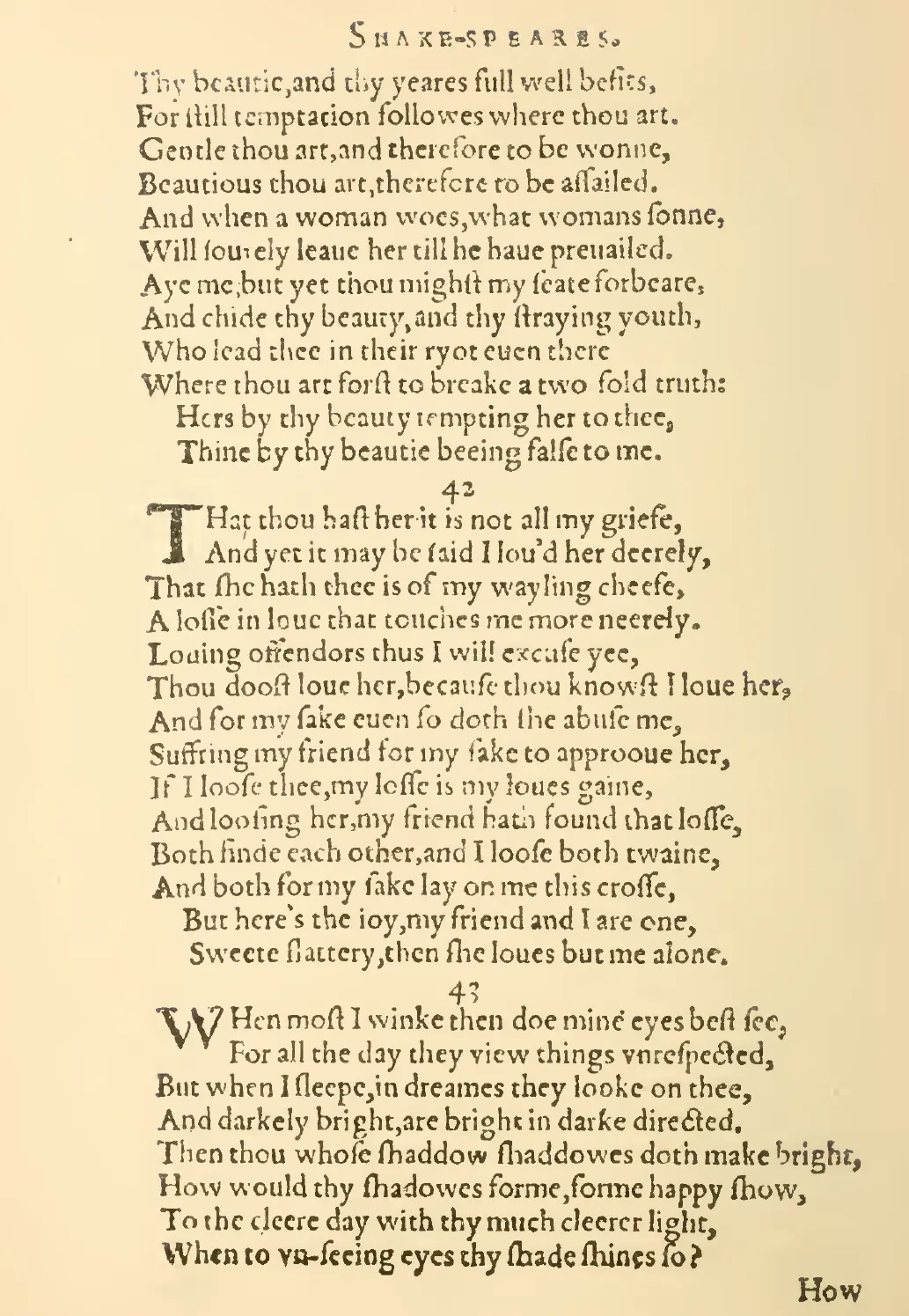
The Importance of Sonnet 4.6
Sonnet 4.6, part of the renowned collection of sonnets, is a vital piece that showcases the intricate interplay of language, emotion, and philosophical reflection in poetry. Understanding this sonnet is crucial for poetry enthusiasts and scholars alike as it demonstrates the richness of literary expression during its time. This work invites readers to delve into the complexities of human experience through the lens of its thematic content.
Thematic Exploration
Sonnet 4.6 develops themes surrounding love, time, and the human condition, emphasizing a poignant message about the inevitable passage of time and its impact on relationships. Within the sonnet, the speaker reflects on the transitory nature of beauty and youth, imploring the reader to understand that while time may ravage physical appearance, the emotional bonds of love transcend these fleeting moments.
Historical Context
Written during the Renaissance, Sonnet 4.6 is shaped by the literary trends of its time which celebrated individualism and explored classical themes. The poet employs intricate structures and rhetorical devices characteristic of the period, enabling readers today to appreciate the complex craftsmanship involved in its composition. This sonnet not only reflects the personal turmoil of the speaker’s experiences but also encapsulates the broader existential musings prevalent in Renaissance literature.
Conclusion and Significance
As we analyze Sonnet 4.6, we uncover layers of meaning that resonate even today. The exploration of love, time, and the human experience serves as a reminder of our shared vulnerabilities and triumphs. Understanding this sonnet enhances appreciation for the literary canon and encourages readers to reflect on their own experiences with love and mortality. The insights gained from Sonnet 4.6 are timeless, urging us to confront the issues of beauty and passage with a deeper awareness.