Introduction to Eurovision
The Eurovision Song Contest is one of the longest-running and most beloved music competitions in the world, captivating audiences with its diverse performances and unique cultural expressions. Established in 1956, the contest has grown to include participants from over 40 countries, making it a significant event in European entertainment and culture. It attracts millions of viewers each year, creating a sense of unity and celebration across the continent.
Eurovision 2023: Key Highlights
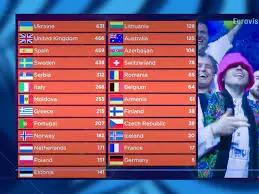
This year’s Eurovision Song Contest took place in Liverpool, England, following Ukraine’s victory in 2022 with the song ‘Stefania’ by Kalush Orchestra. The event ran from May 9 to May 13, 2023, and featured a range of performances from artists representing their respective countries. The grand final showcased an impressive lineup, with more than 20 nations competing for the coveted trophy.
One notable moment was the inclusion of a wide variety of musical genres, from pop and rock to folk and electronic music, reflecting the rich tapestry of European culture. The event also highlighted the importance of inclusivity, with several LGBTQ+ artists taking center stage, further emphasizing Eurovision’s values of diversity and acceptance.
Cultural and Economic Impact
The Eurovision Song Contest not only serves as an entertainment platform but also significantly impacts the host city’s economy. Liverpool’s businesses, hotels, and tourism sectors benefited from the influx of fans and visitors, with an estimated boost of £20 million during the event. Local authorities expressed their gratitude for the opportunity to showcase the city’s vibrant culture and heritage on an international stage.
Moreover, the competition fosters unity among European nations, often serving as a political statement during challenging times. Various songs this year addressed social issues, including climate change and refugee rights, resonating with the audience on both an emotional and intellectual level.
Conclusion: Looking Ahead
As Eurovision 2023 concluded with Sweden’s Loreen winning her second title with the song ‘Tattoo’, the anticipation for next year’s contest has already begun. With the contest continuing to evolve and adapt to modern sensibilities, its significance in promoting cultural exchange and understanding among nations remains strong. The enduring popularity of Eurovision suggests that it will continue to be a beloved European tradition for years to come, uniting people through music and celebration.