Introduction
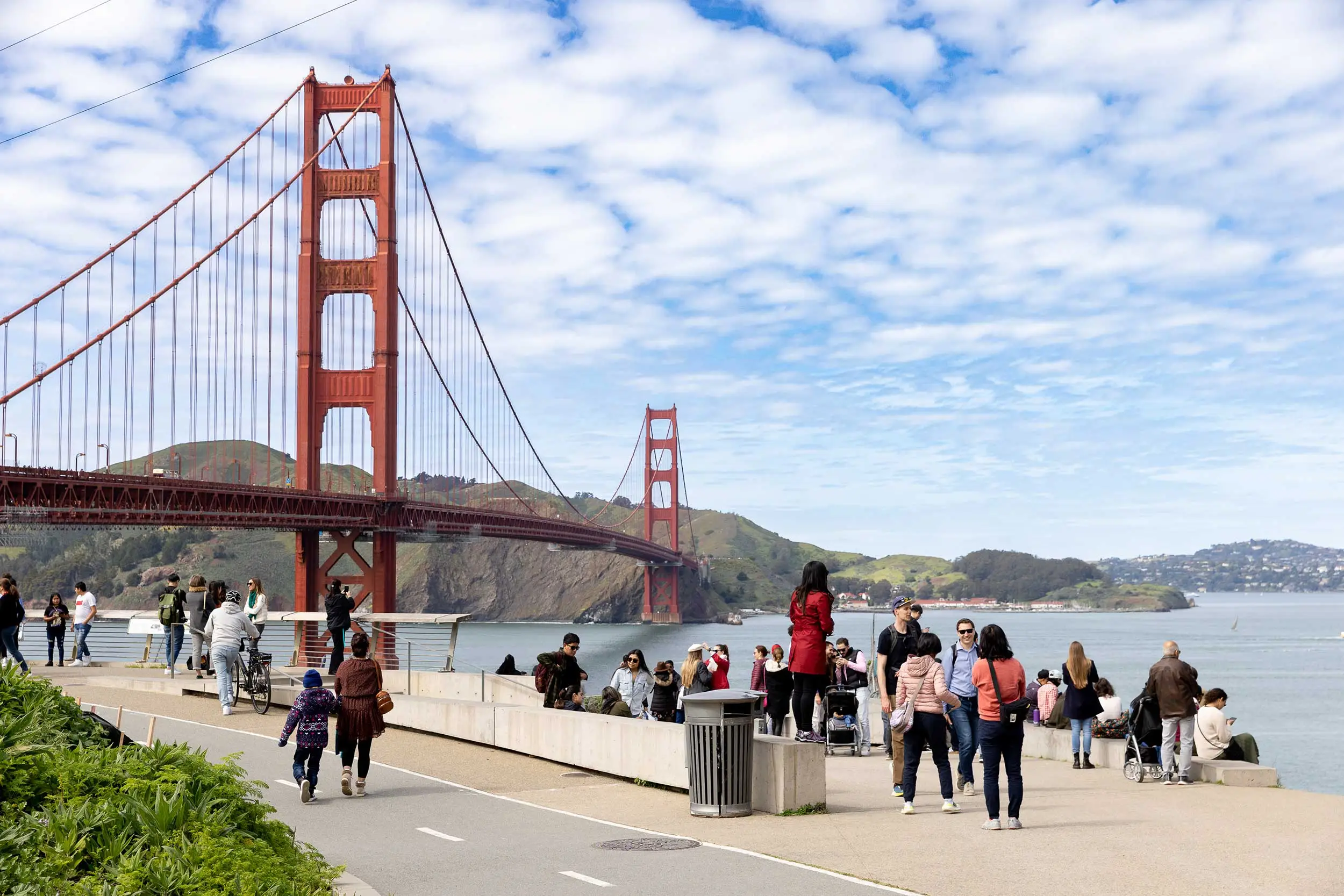
The Golden Gate Bridge stands as one of the most iconic structures in the United States, symbolizing innovation, architectural beauty, and the spirit of San Francisco. Since its completion in 1937, the bridge has not only facilitated transportation but also become a cultural landmark that attracts millions of visitors each year. Understanding its historical significance and recent developments helps illuminate its continued relevance in urban planning and tourism.
Historical Background
Commissioned in the early 1930s, the Golden Gate Bridge was designed to connect San Francisco to Marin County, overcoming the treacherous waters of the Golden Gate Strait. It was an ambitious project led by engineer Joseph Strauss, architect Irving Morrow, and designer Charles Alton Ellis. The bridge’s Art Deco design, characterized by its towering pylons and striking International Orange color, distinguished it from other structures of its time.
Recent Events and Developments
Over the years, the Golden Gate Bridge has undergone several renovations to ensure its safety and functionality. Most recently, in response to increasing concerns over pedestrian safety, authorities implemented new measures in 2023 that included the installation of additional barriers and a dedicated path for cyclists and walkers. These efforts coincide with the rising numbers of visitors, as estimates show that the bridge sees over 10 million pedestrians and cyclists annually.
Environmental and Cultural Impact
The Golden Gate Bridge is not just an engineering marvel; it also plays a multi-faceted role in environmental and social aspects. The bridge has been integrated into several conservation efforts focused on the surrounding Marin Headlands and Golden Gate National Park. Furthermore, it serves as a backdrop for countless cultural events, films, and art pieces, reinforcing its status as a beloved symbol of California and American resilience.
Conclusion
The Golden Gate Bridge remains a pivotal landmark, epitomizing both historical significance and modern-day relevance. As it continues to evolve with the needs of the public and the environment, the bridge is positioned to maintain its status as a must-visit destination. Future preservation efforts and community engagement campaigns are essential to ensuring that the bridge not only honors its past but also adapts to the future, further solidifying its place in the hearts of locals and tourists alike.