Introduction
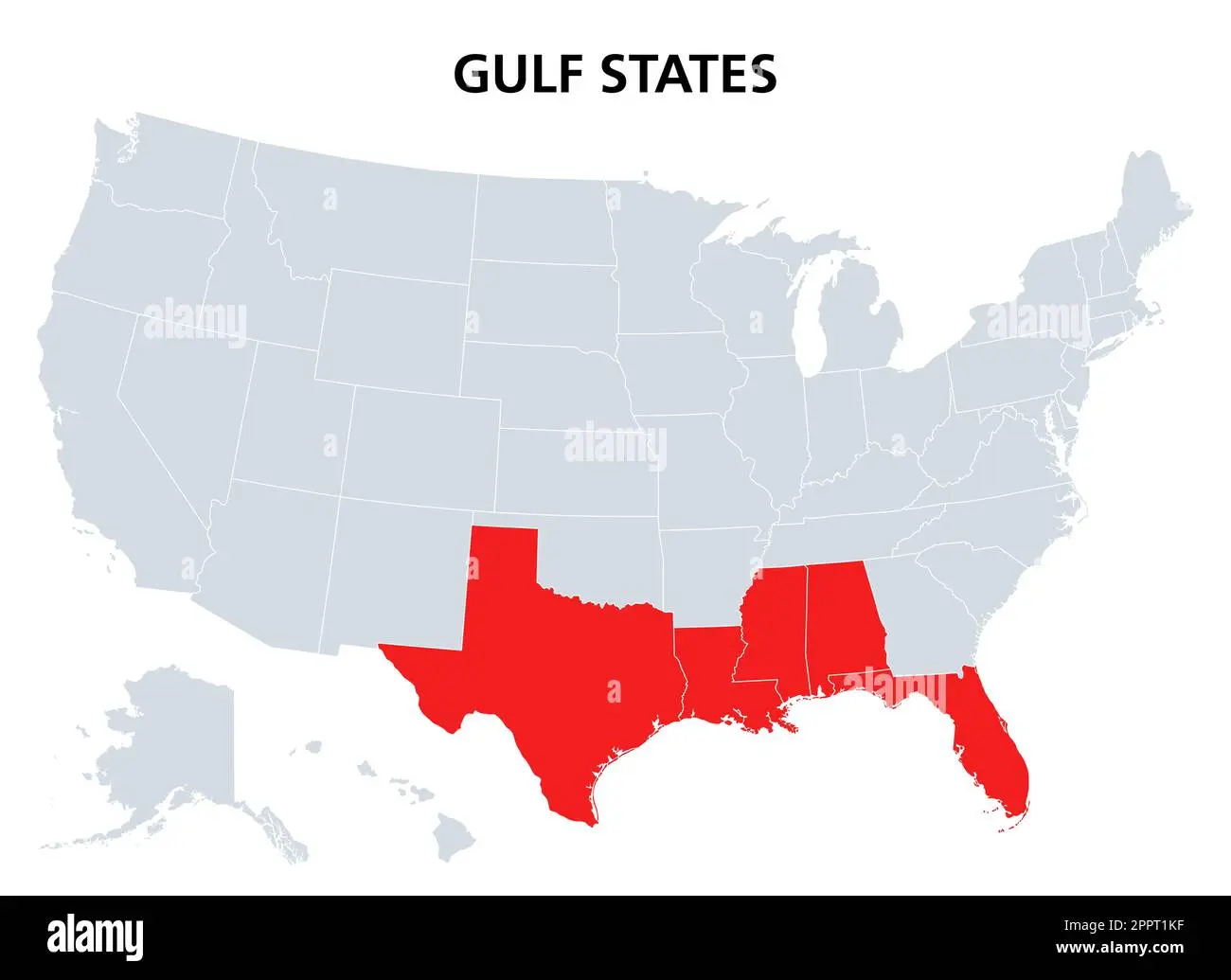
The Gulf Coast of the United States is a vital region comprising five states: Texas, Louisiana, Mississippi, Alabama, and Florida. This area is known for its warm climate, stunning beaches, and rich cultural heritage. Additionally, the Gulf Coast has significant economic implications due to its fishing, shipping industries, and tourism attractions. Understanding this region’s importance is essential not only for its residents and businesses but also for visitors and policymakers.
Economy and Industry
The Gulf Coast is a powerhouse for various industries. The oil and gas sector, primarily concentrated in Louisiana and Texas, plays a crucial role in the economic landscape. In 2022, the region accounted for approximately 17% of the total U.S. oil production and 30% of its natural gas production, illustrating its importance in the nation’s energy supply.
Furthermore, the area is home to major shipping ports such as the Port of Houston and the Port of New Orleans, which significantly contribute to international trade. In early 2023, the Port of Houston was ranked as one of the top three U.S. ports for total tonnage, emphasizing the region’s role as a center for logistics and commerce.
Tourism and Cultural Heritage
The Gulf Coast attracts millions of tourists each year, drawn by its picturesque scenery, diverse wildlife, and vibrant culture. Destin, Florida, known for its white sandy beaches and clear waters, saw over 4 million visitors in 2022 alone, highlighting its status as a premier vacation destination. Festivals like Mardi Gras in New Orleans and the Gulf Coast shrimp festival in Alabama showcase the local traditions and charm inherent in this area.
Environmental Challenges
Despite its beauty and economic importance, the Gulf Coast faces significant environmental challenges, including hurricanes, oil spills, and coastal erosion. The impact of climate change poses threats to its ecosystems and communities. In recent years, extreme weather events have increased in frequency and intensity, with Hurricane Ida causing widespread devastation in late 2021, underscoring the need for enhanced disaster preparedness and environmental protection measures.
Conclusion
The Gulf Coast of the United States stands as a region of great economic influence, cultural richness, and environmental significance. As the local economies strive to recover from recent adversities and adapt to climate challenges, it’s imperative for businesses, governments, and communities to work collaboratively towards sustainable solutions. The future of the Gulf Coast depends on a collective commitment to preserve its cultural heritage while safeguarding its natural resources for generations to come.