Introduction to the Hmong Community
The Hmong, an ethnic group from the mountainous regions of China, Vietnam, Laos, and Thailand, have gained prominence in the United States since the Vietnam War. Their resilience and rich culture make them a vital part of American diversity. As of 2021, there were an estimated 260,000 Hmong individuals living in the U.S., primarily in states like California, Minnesota, and Wisconsin. Understanding their history, cultural practices, and current challenges is essential for fostering inclusivity and addressing the needs of this vibrant community.
Cultural Richness and Traditions
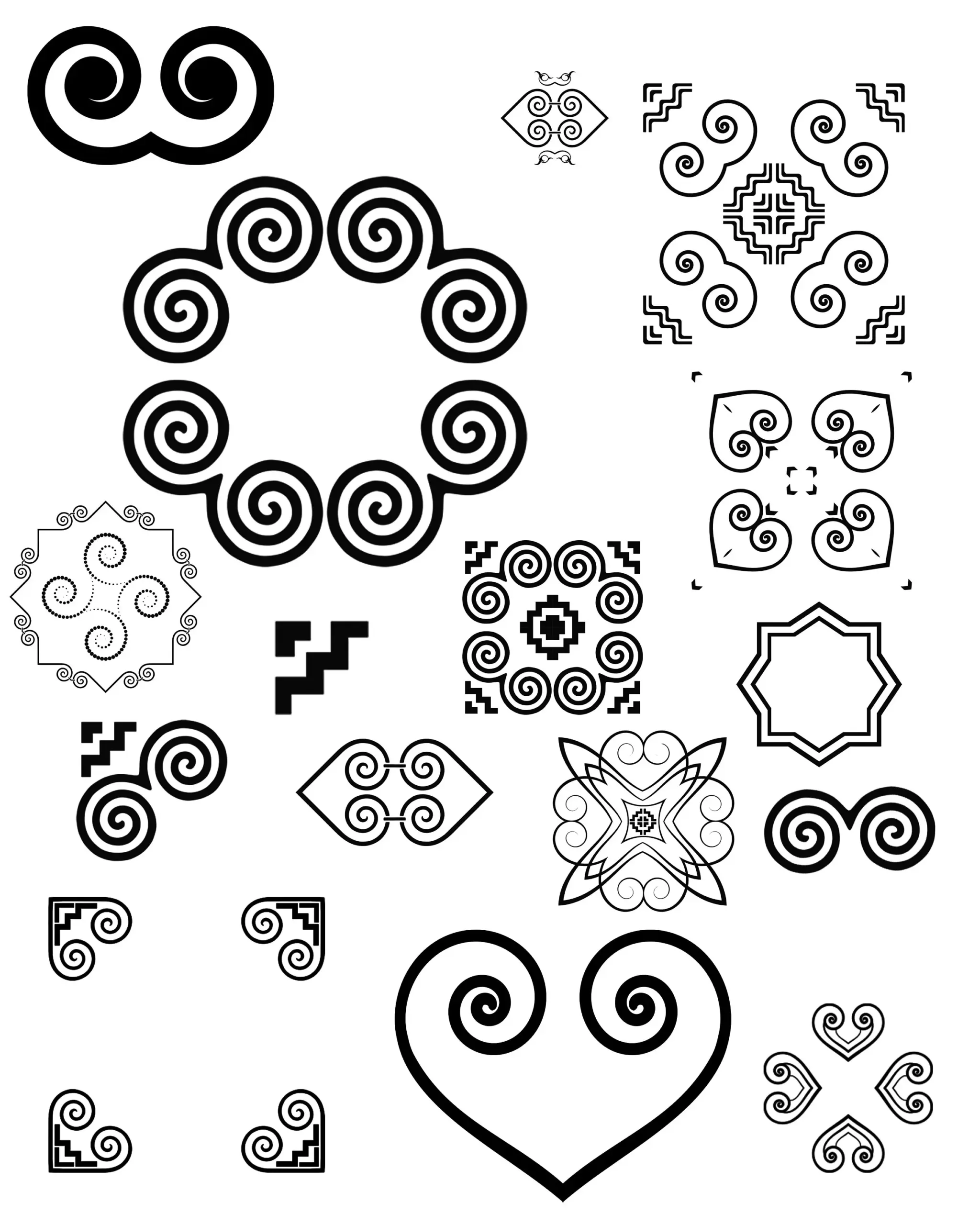
The Hmong people have a unique cultural identity that includes traditional clothing, music, dance, and strong agricultural practices. During the Hmong New Year, celebrated in late November to early January, communities come together for festivities that feature traditional costumes, food, and cultural games. Additionally, Hmong embroidery, especially seen in traditional garments, reflects their history and artistry.
Current Issues Facing the Hmong Community
Despite their strong cultural heritage, the Hmong community faces significant challenges. Many Hmong Americans are navigating the pressures of assimilation while trying to preserve their ancestral traditions. Issues related to education, health disparities, and economic opportunities remain prevalent. For instance, according to a report from the Asian American Advancing Justice Organization, Hmong Americans face higher rates of unemployment compared to the national average.
Empowerment and Community Initiatives
In response to these challenges, various community organizations are emerging to advocate for the rights and needs of the Hmong population. Initiatives focusing on education access, language preservation, and mental health support are gaining traction. Moreover, younger members of the community are taking active roles in leadership, bridging the gap between generations and infusing traditional values with modern-day advocacy.
Conclusion: The Future of the Hmong Community
As the Hmong community continues to grow and evolve, their contributions to the cultural fabric of the United States are undeniable. Awareness and understanding of Hmong issues can lead to better support systems and integration strategies. By celebrating their heritage while addressing contemporary challenges, the future looks promising for the Hmong community, paving the way for a more inclusive society. For readers, being informed about these dynamics encourages empathy and support for a group that, despite its challenges, remains resilient and vibrant.