Introduction
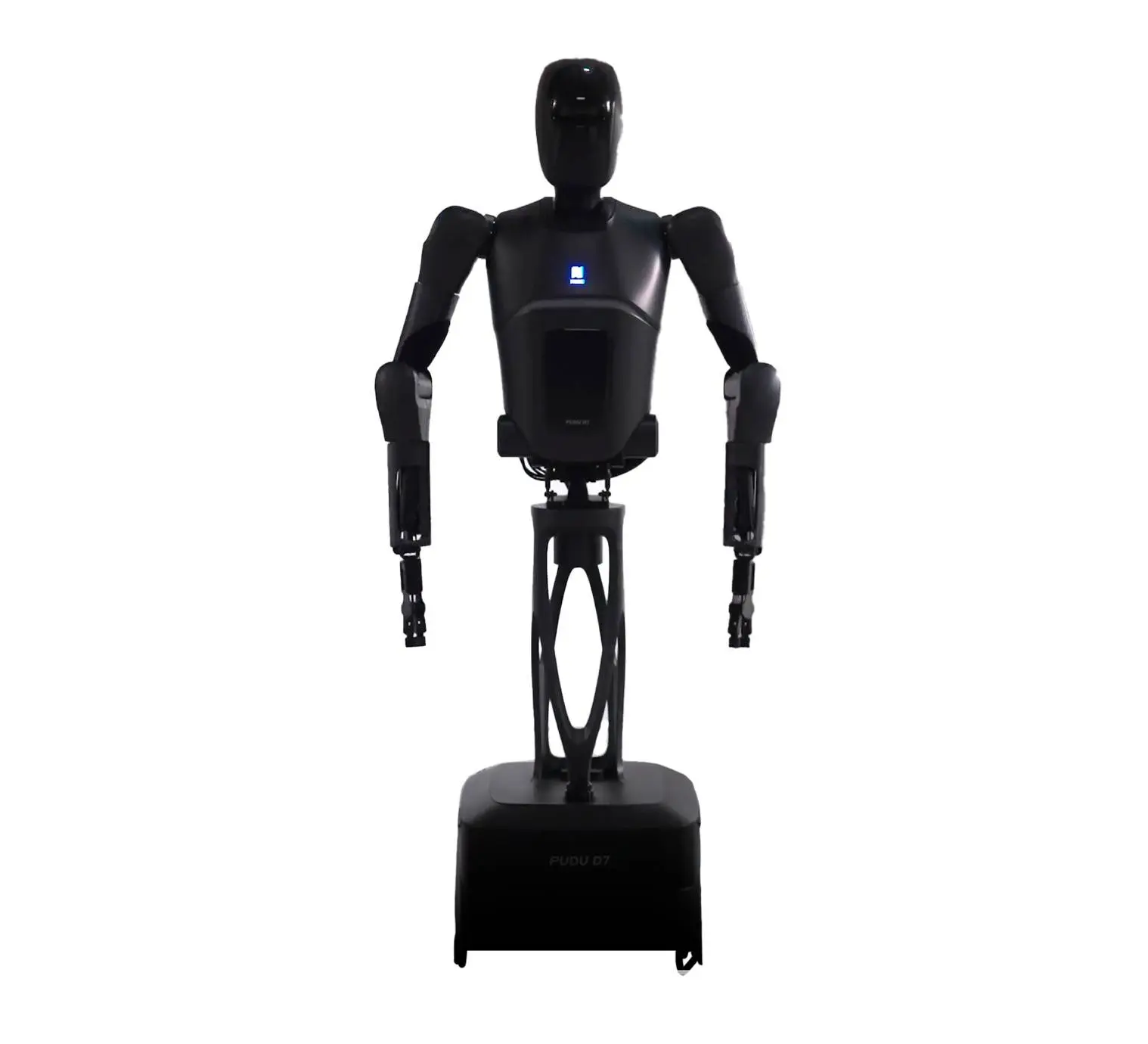
Robots are no longer just a concept of science fiction; they have become an integral part of our daily lives and various industries. As technology advances, the significance of robots continues to grow, impacting how we work, live, and interact. From manufacturing floors to home assistance, understanding the role of robots in society is essential as we navigate the future.
The Evolution of Robotics
The evolution of robotics dates back to ancient history, but the past few decades have seen unprecedented growth in the development and implementation of robotic technology. Recent advancements in artificial intelligence (AI), machine learning, and sensor technology have propelled the capabilities of robots. According to the International Federation of Robotics, global sales of industrial robots reached 473,000 units in 2021, showing a growth of 27% from the previous year.
Robots in Industry
Today, robots are extensively used in various industries, including automotive, electronics, and logistics. They perform tasks ranging from assembly line production to quality control and warehouse operations. Companies like Amazon have employed robots for picking and packing, enhancing efficiency and reducing operational costs. Furthermore, in the automotive industry, companies such as Tesla have integrated robotics for precision manufacturing, which has significantly increased production rates.
Robots in Healthcare
The healthcare sector has also benefited from robotic technology. Surgical robots, such as the da Vinci Surgical System, provide surgeons with enhanced precision, allowing for minimally invasive surgeries. Additionally, robotic systems are being introduced in rehabilitation, assisting patients in recovering mobility. A report from Allied Market Research indicates that the global surgical robots market is expected to reach $22 billion by 2025, driven by advancements in robotic technology.
Robots and Daily Life
In our everyday lives, robots are becoming more prevalent. Household robots, like vacuum cleaners and lawn mowers, have gained popularity, providing convenience and freeing up time for users. In the realm of personal assistance, robots such as the social robot, Pepper, are being deployed in customer service roles, enhancing user interaction and providing support.
Challenges and Future Outlook
While the integration of robots presents numerous benefits, challenges remain. Concerns about job displacement and ethical considerations regarding AI and robotics are ongoing discussions among experts. As robots become more capable, it is crucial to address these issues proactively. The future holds promise, with predictions indicating a market growth rate of 15% in robotics through the coming decade.
Conclusion
As robots continue to evolve and integrate into various aspects of our lives and industries, their importance cannot be overstated. They offer improved efficiency, precision, and opportunities for innovation. As we move forward, embracing a collaborative approach between humans and robots will be essential to harness the full potential of these technologies, shaping a future that benefits society as a whole.