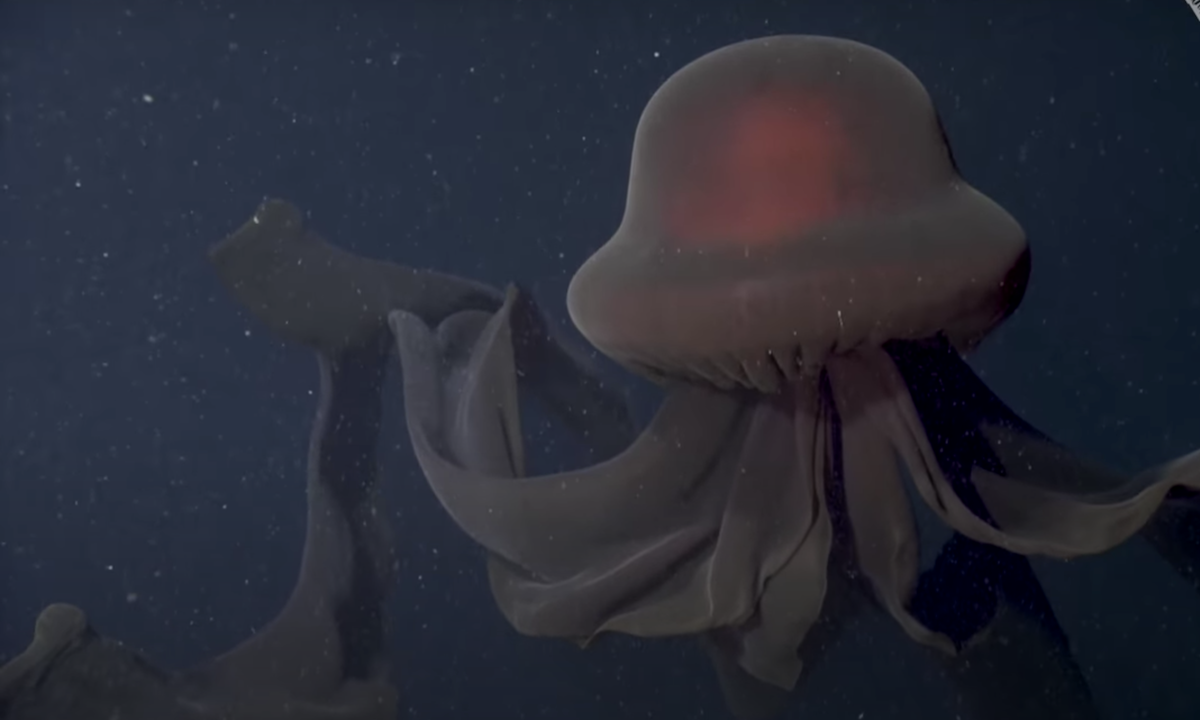
Introduction to the Giant Phantom Jellyfish
The giant phantom jellyfish, known scientifically as Stygiomedusa gigantea, is one of the ocean’s most elusive and intriguing creatures. Found in deep-sea environments, this jellyfish has recently gained attention due to its unusual size and the mysteries it holds. With climate change and oceanic conditions becoming increasingly unpredictable, understanding the biology and ecological role of such rare species is more important than ever.
Habitat and Characteristics
The giant phantom jellyfish is primarily located in deep waters, typically found at depths ranging from 1,000 to 3,000 feet. Its bell can reach up to 3 feet in diameter, making it one of the largest jellyfish species. The jellyfish’s appearance is mesmerizing, with long, flowing tentacles that can extend up to 40 feet. These delicate appendages are often bioluminescent, which may aid in attracting prey or deterring predators.
Recent Developments and Sightings
This year, scientists and marine biologists reported an increase in sightings of the giant phantom jellyfish, particularly in the North Pacific Ocean. New technologies, such as autonomous underwater vehicles (AUVs) equipped with high-resolution cameras, have made it easier to study these enigmatic creatures in their natural habitat. During a recent expedition in August 2023, researchers captured stunning footage of a giant phantom jellyfish pulsating gracefully through the depths of the ocean, raising hopes about learning more about its behavior and life cycle.
Ecological Significance
The giant phantom jellyfish plays a vital role in marine ecosystems. As both predator and prey, it helps regulate jellyfish populations and provides sustenance to larger marine animals, including fish and sea turtles. The jellyfish’s diet primarily consists of small fish and plankton, which highlights its place in the marine food web. However, climate change poses significant threats to its habitat, influencing water temperatures and salinity levels that can affect the distribution of prey.
Conclusion: The Future of the Giant Phantom Jellyfish
As researchers continue to study the giant phantom jellyfish, there are hopes that greater understanding may lead to better conservation efforts. With the ongoing environmental changes, protecting these creatures will become crucial not only for their own survival but also for maintaining the health of the marine ecosystems they inhabit. For readers, staying informed about the implications of climate change on ocean life is essential, emphasizing the interconnectedness of all species on our planet.