Introduction
Air quality is a critical component of environmental health and public safety, influencing both respiratory health and overall quality of life. On certain days, citizens may notice a decline in air quality, prompting questions about the underlying causes. With the rise in air pollution leading to adverse health effects, it is essential to understand why the air quality is particularly bad today.
Current Events and Contributing Factors
As of today, a combination of weather conditions and human activities are contributing to the degraded air quality in many urban areas across the United States. Factors such as high temperatures, stagnant air masses, and increased vehicular emissions due to a surge in traffic have converged to create hazardous air conditions. According to the Environmental Protection Agency (EPA), certain regions are experiencing elevated levels of ground-level ozone, particularly in cities that have been undergoing heat waves.
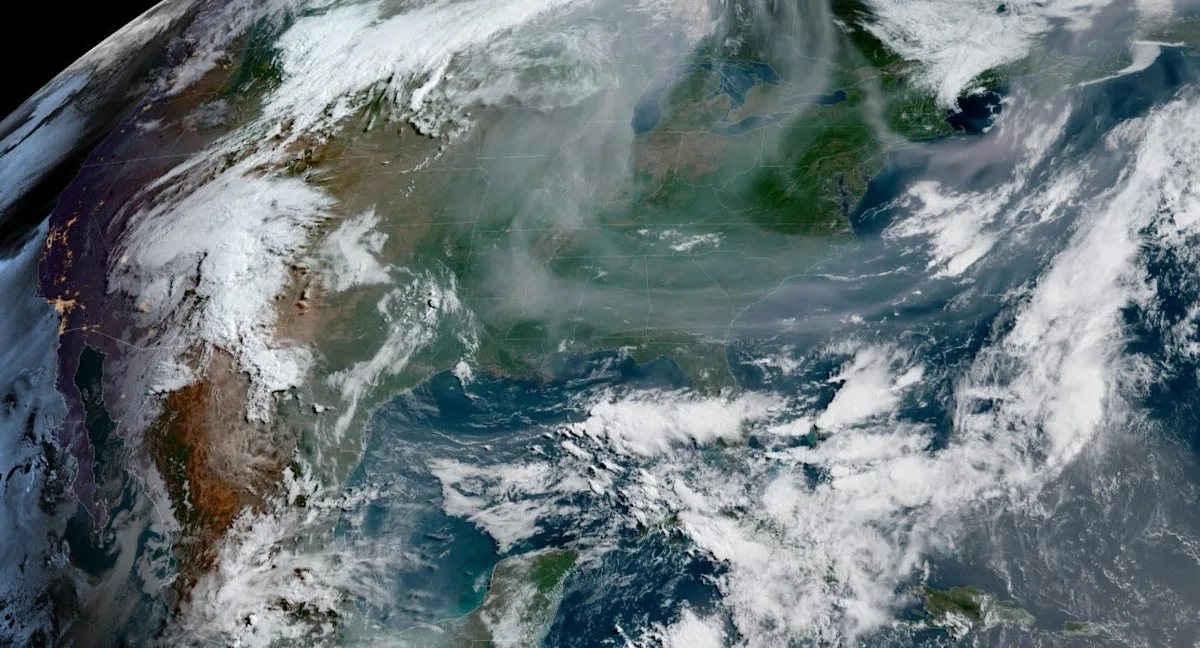
In California, for instance, wildfires have left a significant mark on air quality, releasing particulate matter and smoke into the atmosphere. These particles can worsen respiratory conditions, leading to health alerts for sensitive groups, including children and the elderly. Furthermore, industrial emissions and construction activities further exacerbate the situation.
Moreover, meteorological conditions such as low wind speeds can trap pollutants close to the ground, preventing their dispersion. The National Weather Service has reported stagnant weather patterns in several regions, which means that pollutants generated during the day accumulate without the benefit of wind to dilute or disperse them.
Public Response and Health Implications
As a result of the ongoing poor air quality, health officials are advising residents to limit outdoor activities, especially strenuous exercises. Schools and outdoor recreational facilities are being particularly cautious, sometimes implementing shutdown protocols to safeguard children and staff. Local news outlets are broadcasting air quality indexes (AQI) regularly, providing residents with timely updates on the safety of outdoor air.
Conclusion
The deterioration in air quality experienced today serves as a reminder of the multifaceted nature of pollution that stems from both natural and anthropogenic sources. With increasing urbanization and climate change, it is crucial for communities to educate themselves about air quality issues and remain vigilant about environmental health. Short-term predictions indicate that conditions may improve as weather systems change, but long-term solutions will require collective action from governments, industries, and individuals to address the root causes of air pollution.