Introduction
Uzbekistan, a landlocked country in Central Asia, has seen significant changes in recent years, becoming a focal point for cultural exchange and economic growth. The historical significance of Uzbekistan, as a key player on the ancient Silk Road, establishes it as an important destination for tourists and researchers alike. With a population exceeding 34 million, Uzbekistan stands out for its rich heritage and diverse culture.
Recent Developments
In recent years, Uzbekistan has embarked on a path of modernization and reform under the leadership of President Shavkat Mirziyoyev. Economic policies have shifted towards liberalization, aiming to attract foreign investment and improve the business environment. The government has initiated reforms in various sectors, including the banking system, agriculture, and tourism, in efforts to create a more dynamic economy.
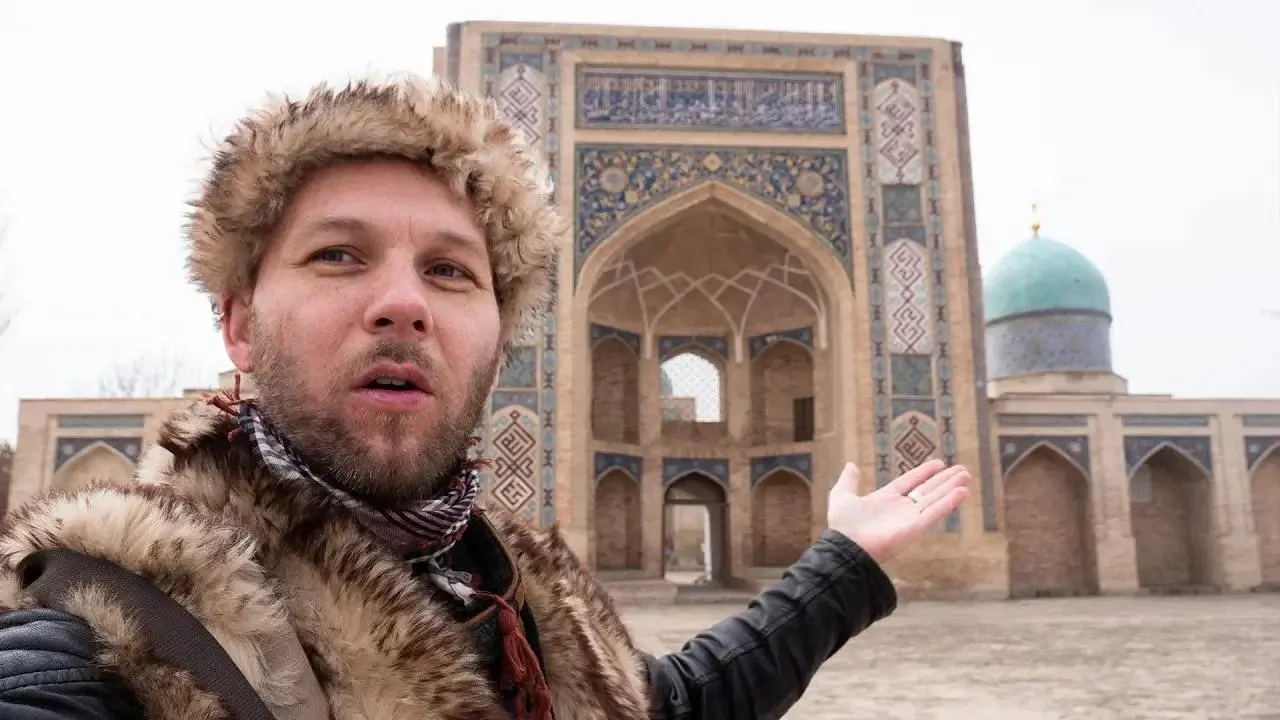
Tourism has particularly flourished, as initiatives like the “Five Tourism Zones” concept aim to enhance Uzbekistan’s appeal to international visitors. The rich tapestry of Uzbekistan’s cities, such as Samarkand and Bukhara, which hold UNESCO World Heritage Sites, draws countless explorers keen to experience the nation’s famed architecture and colorful bazaars.
International Relations and Trade
Uzbekistan has also been actively working on improving its international relations since 2016. The country has fostered closer ties with neighboring countries and the wider international community. This has led to increased trade agreements and collaborations in sectors such as energy, textiles, and technology. In 2023, Uzbekistan’s trade with China has surged, marking a historical peak, reinforcing the country’s strategic importance on the Silk Road.
Challenges Ahead
Despite the positive developments, Uzbekistan still faces challenges, such as addressing human rights concerns and improving environmental sustainability. The government’s commitment to reform will be critical in navigating these issues while balancing economic growth and social equity.
Conclusion
As Uzbekistan continues to evolve, the blend of its ancient history and modern aspirations makes it a compelling study for economists, historians, and travelers alike. The nation’s transformative journey offers a glimpse into the potential of Central Asia in the global arena. Looking ahead, Uzbekistan’s strategic developments and reform initiatives ensure it remains a significant player in both regional and international contexts.