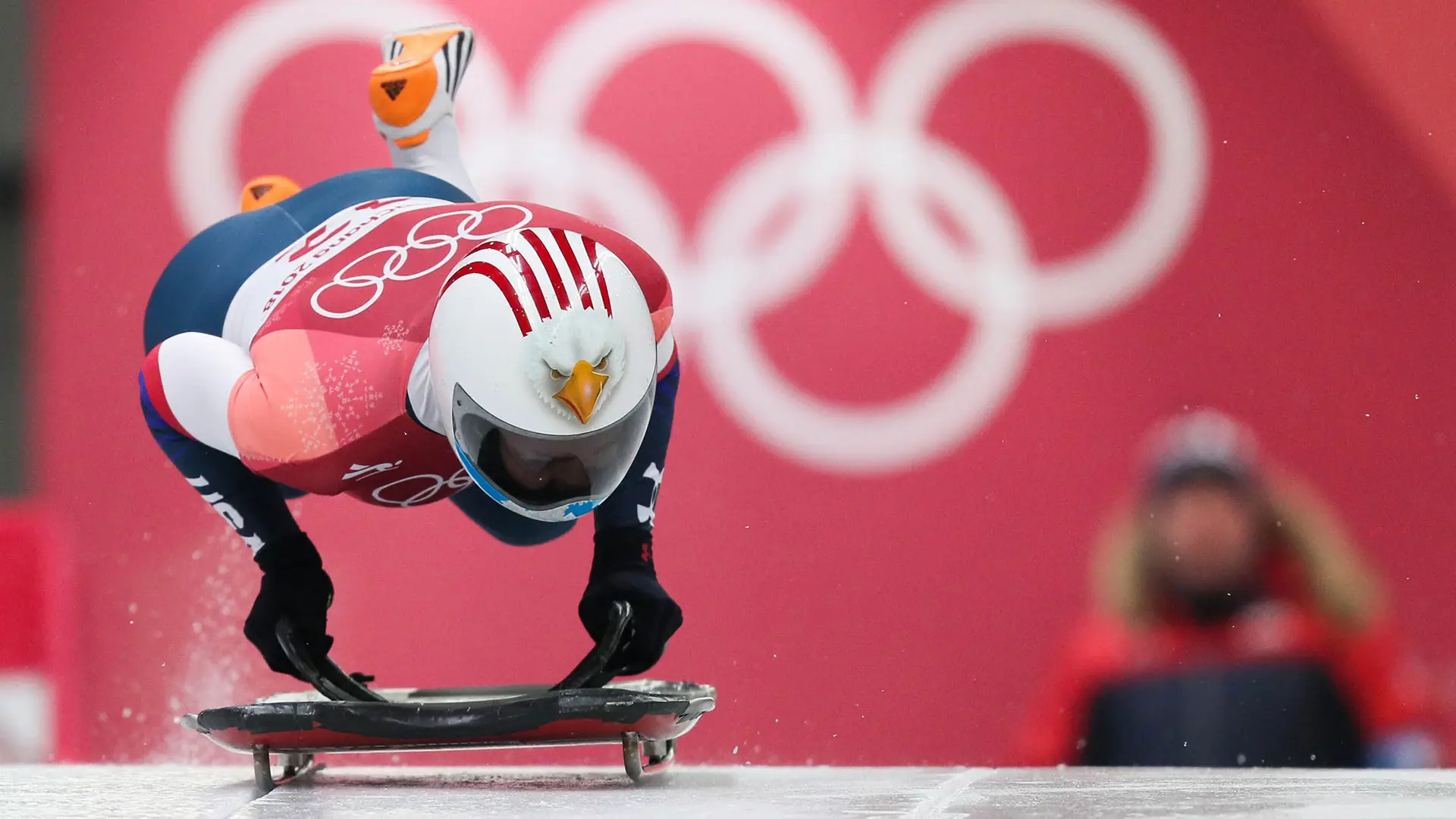
The Thrill of Skeleton in the Olympics
The skeleton Olympics, an exhilarating winter sport, has captivated audiences since it debuted in the early 20th century. The event involves competitors sliding head-first down a narrow, twisting track on a small sled, reaching speeds of over 80 miles per hour. Given its combination of raw speed and precision, the skeleton is a unique test of both athleticism and nerve, making it a captivating event during the Winter Olympic Games.
History and Evolution
Skeleton has its origins in the late 19th century, with the first official competitions held in St. Moritz, Switzerland, in 1884. It became an Olympic event in 1928 but was dropped after the 1948 Games, only to be reinstated in 2002. This resurgence signaled a growing interest and competitive spirit in the sport, highlighted by its inclusion in the Winter Olympic program.
Recent Competitions and Highlights
The 2022 Beijing Winter Olympics saw thrilling performances from athletes across the globe. The event highlighted the incredible skill of Olympic skeleton athletes, like gold medalist Johannes Ludwig of Germany and silver medalist Matt Weston of Great Britain, who showcased both speed and precision. The Olympics continued to foster new talent, with numerous young competitors challenging seasoned veterans.
Popularity and Global Reach
As the sport gains traction, nations like the United States, Canada, and Germany continue to invest in skeleton programs, encouraging athletes and promoting training camps. The sport appeals to a range of sports fans due to its blend of speed and technique. Social media platforms have also played a role in popularizing the sport, with athletes sharing their experiences and perspectives, making skeleton exciting for a younger audience.
Conclusion and Future Prospects
The future of skeleton in the Olympics looks bright, with increasing participation and enthusiasm. As technology improves sled design and athletes refine their techniques, viewers can expect even more thrilling performances in upcoming events. The sport is not just about speed; it’s about the courage and resilience athletes show as they navigate the ice, turning skeleton into a compelling spectacle for Winter Olympic enthusiasts.