Introduction
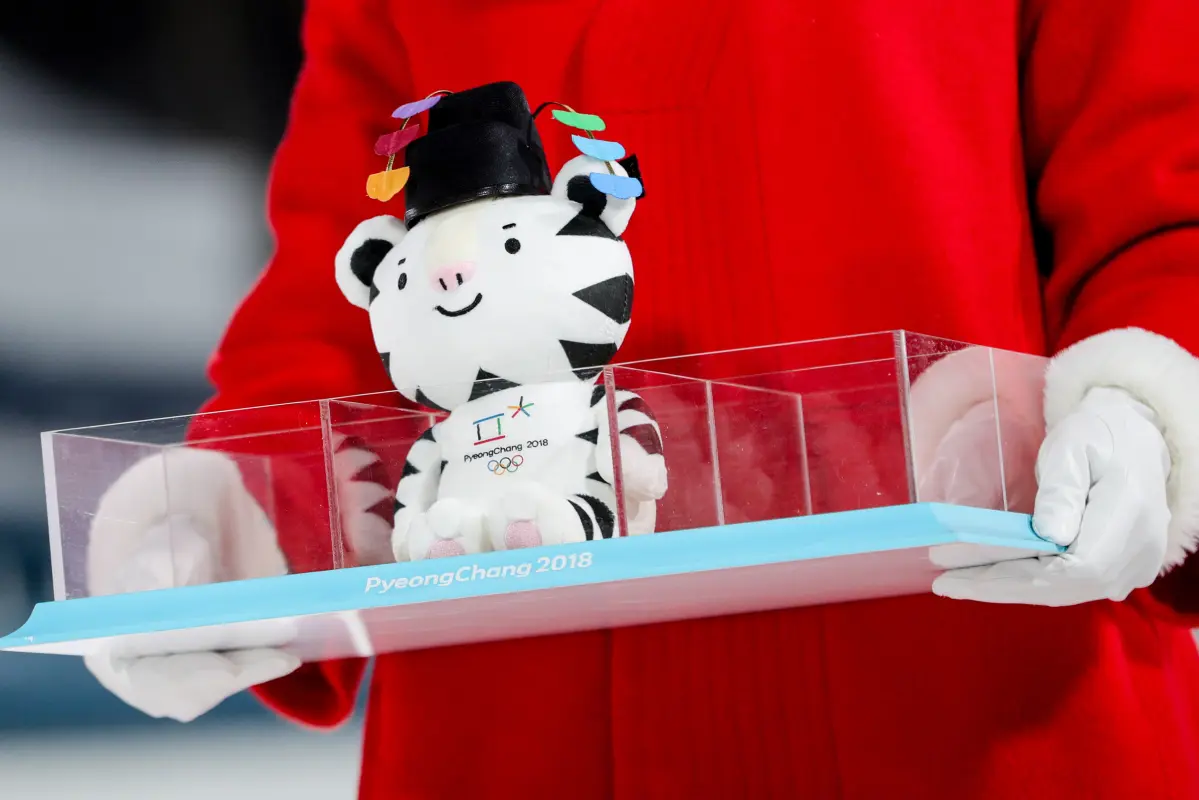
Stuffed animals have become an integral part of the Olympic Games, serving not only as mascots but also as symbols of camaraderie, cultural representation, and the spirit of the games. The tradition of using mascots dates back to the 1968 Winter Olympics in Grenoble, and since then, the Olympic Committee has embraced these plush figures, which capture the hearts of athletes and spectators alike. Understanding the significance of these stuffed animals can enhance the overall Olympic experience.
The Evolution of Olympic Mascots
Over the years, Olympic mascots have evolved, reflecting the culture of the host nation. The use of stuffed animals often ties back to local traditions and wildlife, showcasing the uniqueness of each Olympic Games. For example, the mascot for the Tokyo 2020 Olympics was Miraitowa, a blue and white character inspired by a traditional Japanese pattern, while the Beijing 2022 Games featured Bing Dwen Dwen, a panda designed to embody the spirit of the games.
Current Olympic Stuffed Animals
At the recent Tokyo Olympics, cuddly versions of the mascots Miraitowa and Someity were available for purchase, contributing to a record-breaking sales year for Olympic merchandise. These plush toys have been particularly appealing to children and families attending the games. The Beijing Winter Olympics continued this trend, with Bing Dwen Dwen becoming a global sensation, especially with its adorable design and representation of the host country’s cultural symbols.
The Significance for Athletes and Fans
For athletes, the stuffed animals serve as a source of inspiration and comfort amidst the pressures of competition. Many Olympians are photographed with their mascots, displaying a lighter side of their personalities. Additionally, fans enjoy collecting these plush toys as mementos of the event, creating lasting memories associated with their Olympic experience.
Conclusion
The stuffed animals at the Olympics play a vital role in shaping the narrative of each Games, symbolizing friendship, cultural pride, and the universal spirit of sports. As these mascots continue to evolve, they promise to remain a beloved aspect of the Olympic experience, resonating with audiences old and young. Looking forward, the anticipation for future Olympic mascots is sure to bring excitement and foster connections among fans and athletes across the globe.