Introduction
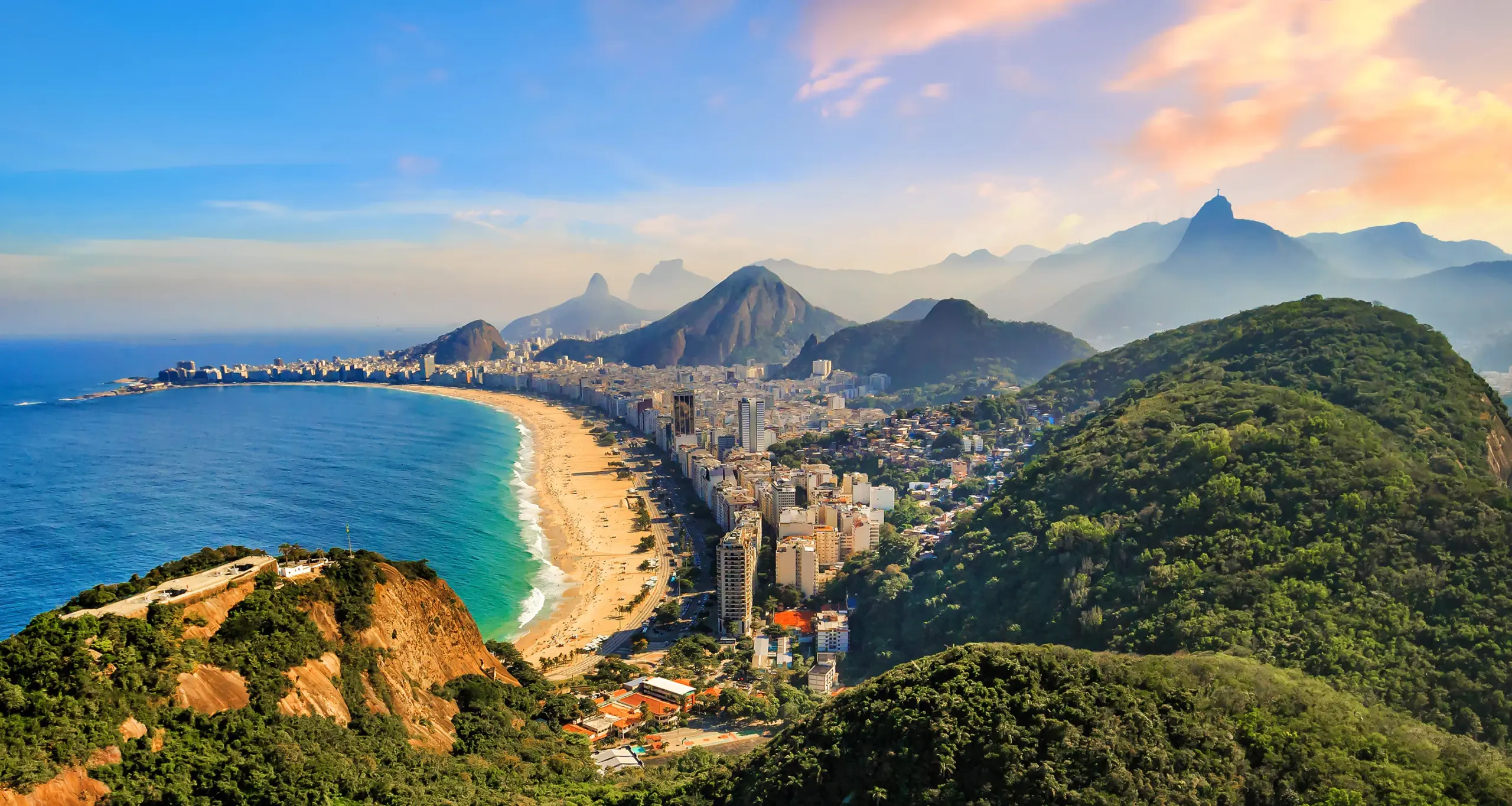
Rio de Janeiro, known for its stunning landscapes and vibrant culture, is one of the most iconic cities in Brazil and a significant tourist destination worldwide. The city, famous for its beautiful beaches, notable landmarks, and rich history, draws millions of visitors each year who come to experience its unique atmosphere. With the world’s attention on Brazil, especially during major events like Carnival and the Olympics, Rio continues to be a focal point of cultural exchange and tourism in South America.
Major Attractions
One of the most famous attractions in Rio is the Christ the Redeemer statue, which stands atop the Corcovado Mountain, offering breathtaking views of the city and its surroundings. The statue, a symbol of peace, is recognized globally and is one of the New Seven Wonders of the World. Additionally, Sugarloaf Mountain is another popular spot where visitors can enjoy panoramic views of the city and the coastline.
The Copacabana and Ipanema beaches are essential to Rio’s appeal, known for their colorful beachgoers, vibrant nightlife, and festive atmosphere. These beaches not only showcase the local beach culture but also host various events and festivals year-round, including the famous New Year’s Eve party that attracts over two million people each year.
Cultural Significance
Rio de Janeiro is a melting pot of cultures and traditions. The annual Carnival is one of the world’s largest and most famous celebrations, attracting tourists and locals to participate in parades, samba dancing, and street festivals. This event highlights the rich cultural heritage of Brazil and showcases the rhythm and passion of its people. Furthermore, the city is home to several museums, such as the Museum of Tomorrow and the National Museum of Fine Arts, that reflect Brazil’s history and artistic growth.
Current Events and Future Outlook
In recent months, Rio de Janeiro has focused on revitalizing tourism in the wake of the pandemic, with efforts to promote safety and accessibility for visitors. The city has been enhancing infrastructure, ensuring that attractions are well-maintained, and implementing health protocols to ensure a safe environment for tourists. As international travel resumes, Rio expects to see a surge in visitors, which is vital for its economic recovery.
Conclusion
Rio de Janeiro remains a jewel of Brazil, offering a unique blend of natural beauty, cultural richness, and festive spirit. With ongoing developments aimed at enhancing the visitor experience, the city’s significance as a tourist hotspot is only set to grow. For travelers seeking vibrant experiences, Rio de Janeiro continues to exemplify the heart of Brazilian culture, inviting everyone to explore its picturesque landscapes and lively streets.