Introduction to Costa Rica
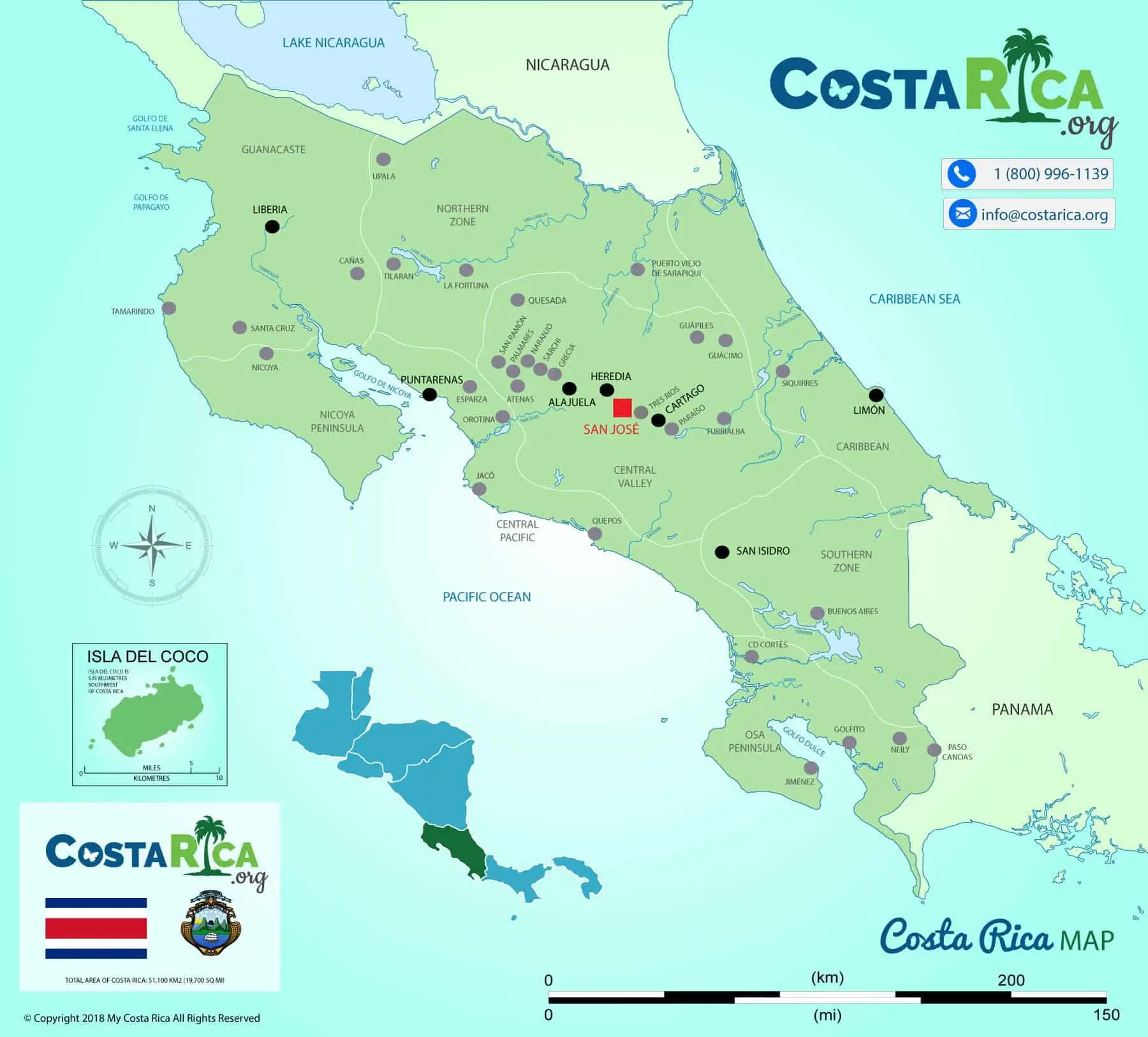
Costa Rica, known for its stunning landscapes, rich biodiversity, and commitment to eco-tourism, has become a premier destination for travelers seeking adventure and tranquility. Bordered by Nicaragua to the north and Panama to the south, this Central American nation is celebrated for its national parks, lush rainforests, and extensive coastlines. With tourism playing a crucial role in its economy, understanding Costa Rica’s ecological and cultural significance is more important now than ever.
Natural Attractions and Biodiversity
This small country is home to approximately 5% of the world’s biodiversity, despite covering only about 0.03% of the Earth’s surface. Visitors flock to Costa Rica’s numerous national parks, such as Manuel Antonio and Corcovado, to explore various ecosystems ranging from cloud forests to coastal wetlands. In recent years, efforts to promote conservation and sustainable tourism have helped preserve these natural environments for future generations.
Eco-Tourism as a Sustainable Model
The Costa Rican government has taken significant steps to position the country as a leader in eco-tourism. Incentives for developing sustainable practices in tourism have encouraged locals to protect their pristine environment while also making a living. Many eco-lodges and tours are now available that highlight conservation efforts, allowing visitors to experience nature while learning about the importance of environmental preservation.
Recent Developments and Future Outlook
As of 2023, Costa Rica is recovering from the impacts of the COVID-19 pandemic, with tourism steadily increasing again. The government has introduced new health and safety protocols to ensure visitor safety while maintaining the country’s commitments to sustainability. Additionally, promotional campaigns targeting eco-conscious travelers have further bolstered interest in Costa Rica as a destination. With increasing awareness of climate change and its effects on global travel, Costa Rica’s model could serve as an example for other nations.
Conclusion
In conclusion, Costa Rica stands out as a beacon of biodiversity and a champion of eco-tourism. With its rich natural beauty and ongoing commitment to sustainable practices, this country not only attracts tourists but also educates them about the vital importance of conservation. As travel trends continue to evolve, Costa Rica’s approach could significantly influence the future of tourism worldwide, emphasizing that economic growth does not have to come at the expense of the environment.