Introduction
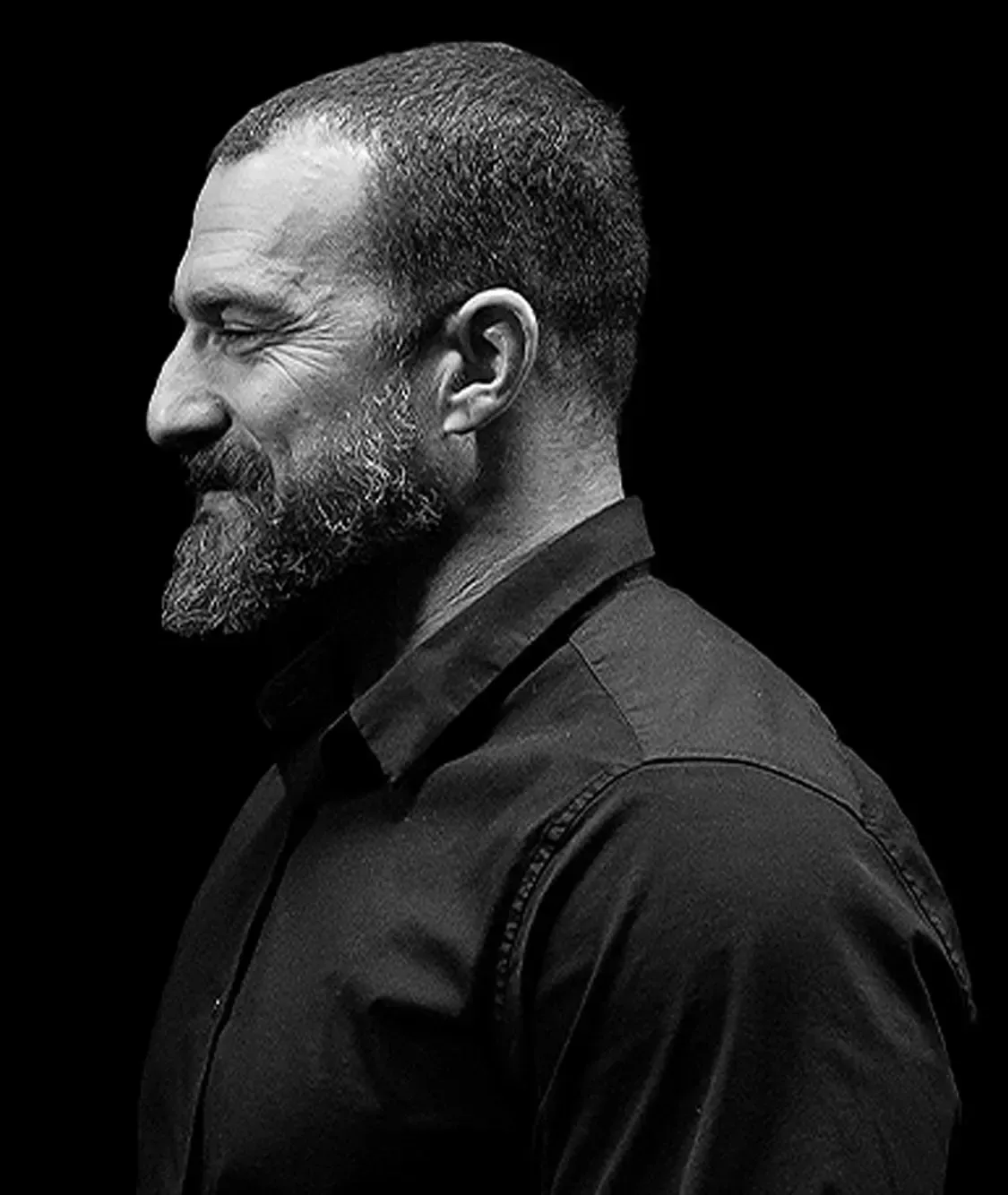
Andrew Huberman is a prominent neuroscientist and professor at Stanford University, known for his extensive research on brain function, neuroplasticity, and the impact of behavior on mental health. His work has garnered significant attention, especially through his popular podcast and social media presence, where he shares insights on how to optimize mental and physical health.
Research Contributions
Huberman’s laboratory at Stanford focuses on understanding the mechanisms of brain plasticity, which is the brain’s ability to adapt and change throughout life. This research is crucial as it sheds light on how we can potentially recover from injuries and adapt to new challenges. Recently, Huberman has been an advocate for exploring natural ways to enhance performance, improve sleep, and reduce stress through simple lifestyle modifications.
Public Engagement
In the past few years, Huberman has seized the opportunity to use social media and podcasts to communicate science directly to the public. His podcast, ‘Huberman Lab’, has become a go-to source for individuals interested in applying neuroscientific findings to their everyday lives. Episodes often cover topics such as the effects of light on circadian rhythms, the science of fear, and actionable tips for improving sleep quality.
Importance for Mental Health
Huberman’s emphasis on the interplay between environment, behavior, and cognitive function has made a profound impact on the way mental health is approached. For instance, his discussions around how lifestyle factors like exercise, diet, and stress management can influence brain health resonate with many seeking more holistic approaches to mental well-being. His findings advocate for the importance of maintaining a balanced life through productivity and self-care.
Conclusion
Andrew Huberman continues to be a leading figure in bridging the gap between neuroscience and practical applications for the public. His research and community engagement highlight the relevance of scientific inquiry in addressing real-world challenges around mental and physical health. As his work progresses, it is expected that more individuals will be inspired to adopt evidence-based practices to enhance their overall well-being, showcasing the essential role of neuroscience in everyday life.