The Importance of Tall Buildings in Modern Architecture
The world’s tallest buildings are not just architectural wonders; they represent human ingenuity and the evolving nature of urban landscapes. As cities expand and populations rise, skyscrapers have become vital in maximizing limited space while showcasing a nation’s economic power and cultural identity.
Current Record Holders
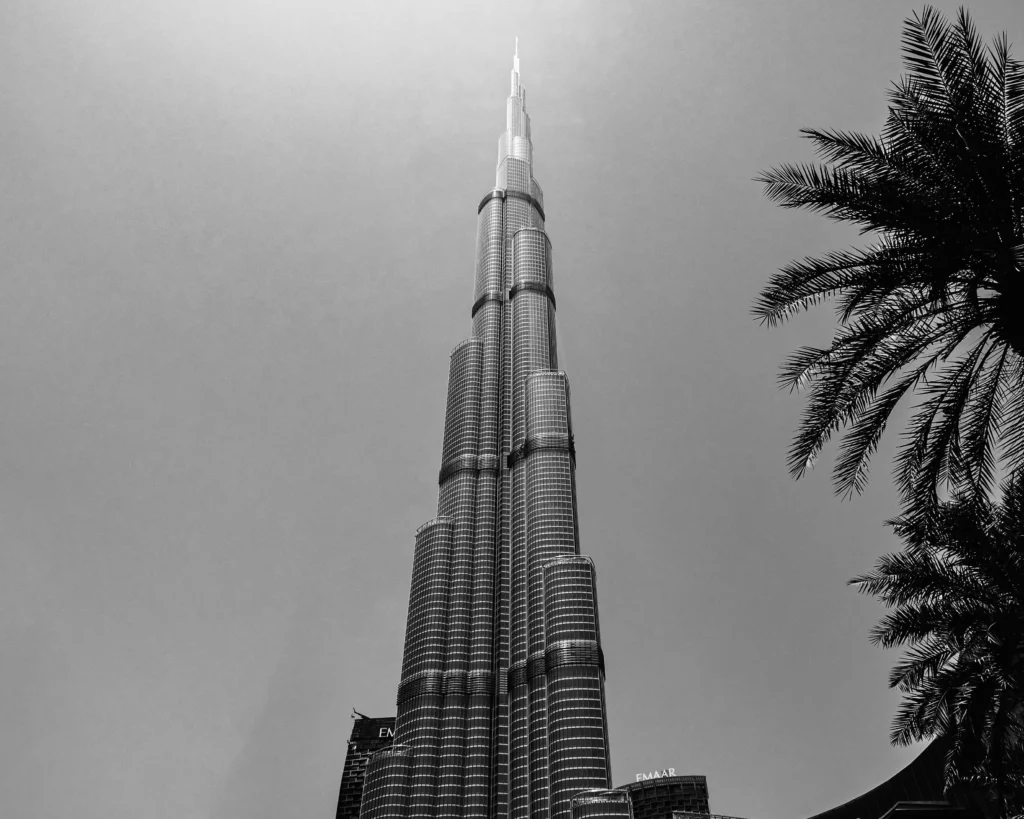
As of 2023, the tallest building in the world is the Burj Khalifa in Dubai, which stands at an impressive 828 meters (2,717 feet). Completed in 2010, this iconic structure has become synonymous with Dubai’s rapid development and serves as a focal point for tourism and business. Following Burj Khalifa is the Shanghai Tower in China at 632 meters (2,073 feet), completed in 2015, and the Abraj Al Bait Clock Tower in Mecca, Saudi Arabia, which stands at 601 meters (1,971 feet).
Significant Developments in Skyscraper Technology
The construction of these towering structures requires innovative engineering solutions to address challenges such as wind resistance, seismic activity, and the logistics of building upwards. Recent advancements in materials science, specifically the use of high-strength concrete and steel, have revolutionized the ability to erect taller buildings safely. For example, the use of reinforced concrete cores has become standard practice in high-rise construction.
Global Impact and Future Trends
The influence of the tallest buildings extends beyond aesthetics; they contribute significantly to local economies through tourism, hospitality, and business investments. Observatories and restaurants in these skyscrapers attract millions of visitors annually, providing cities with a stable revenue source.
Looking forward, architects and engineers are setting ambitious goals with projects like the Jeddah Tower in Saudi Arabia, which aims to reach 1,000 meters (3,281 feet) upon completion. Such projects not only push the limits of architectural design but also present questions about sustainability and urban planning in the face of climate change.
Conclusion
As urban centers continue to grow, the world’s tallest buildings will likely remain at the forefront of architectural expression and engineering excellence. Their significance resonates through both their immediate urban environments and a global context, representing our aspirations and innovations. The ongoing pursuit of height challenges future generations to not only rethink how we build but also how we coexist with the planet.