Introduction
The quest to build the tallest building in the world has long captivated architects and cities alike, symbolizing economic prowess and technological innovation. In 2023, the skyline of many major cities is punctuated by towering skyscrapers that not only redefine architectural limits but also serve as a testament to human ambition. Understanding these structures is crucial not only for architectural enthusiasts but also for urban planners, investors, and future architects.
Current Tallest Buildings
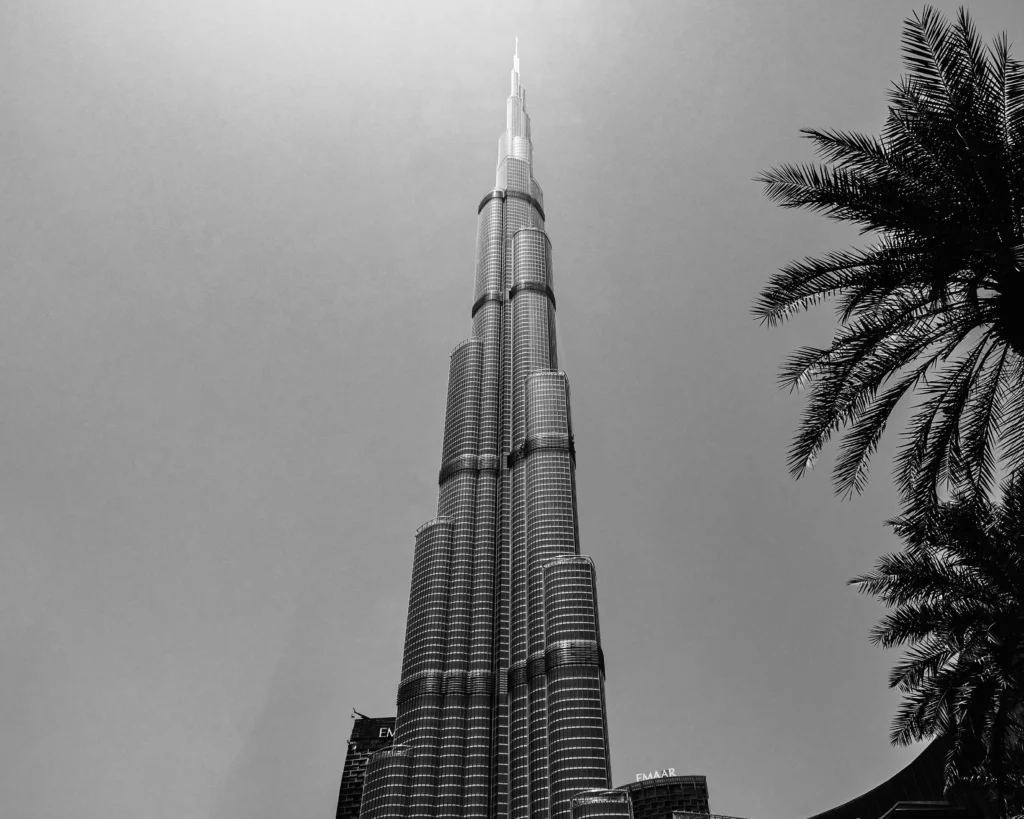
As of 2023, the title of the world’s tallest building belongs to the Burj Khalifa in Dubai, standing at a staggering height of 828 meters (2,717 feet). Completed in 2010, it remains unparalleled due to its unique design and engineering feats. Other notable skyscrapers include:
- Shanghai Tower in China, reaching 632 meters (2,073 feet), known for its twisting shape.
- Abraj Al Bait Clock Tower in Mecca, Saudi Arabia, standing at 601 meters (1,971 feet), which features a large clock face.
- Ping An Finance Centre in Shenzhen, China, at 599 meters (1,965 feet), designed to house business offices, a hotel, and retail spaces.
The Significance of Tall Buildings
The development of skyscrapers like these has broad implications. They draw tourism, support urban density, and can promote sustainability through vertical living. Additionally, during global urbanization trends, tall buildings offer solutions to housing shortages in major cities. They occupy less land while accommodating larger populations.
Future Trends in Skyscraper Construction
Looking forward, architects and engineers are embracing innovative technologies such as carbon fiber materials and 3D printing to push the limits of what is possible. Supertall skyscrapers, defined as structures over 300 meters, are anticipated to become more common. Projects like The Line, part of Saudi Arabia’s NEOM project, propose a conceptual city that stretches over 170 kilometers while remaining only 200 meters wide and incorporating vertical living environments.
Conclusion
The world’s tallest buildings stand as monuments to human ingenuity and creativity. As urban centers continue to grow, these skyscrapers will play a crucial role in how cities are planned and developed. With emerging trends and technologies, the coming years promise to bring even taller and more innovative structures to our skylines, impacting tourism, economy, and urban living at a global scale.