Introduction
The quest to build taller structures has driven architects and engineers to push the boundaries of design and technology. Currently, the skyscrapers that dominate city skylines not only symbolize cultural and economic progress but also showcase advanced engineering feats. As of 2023, the tallest buildings in the world each tell a unique story of innovation and ambition, making the understanding of these structures relevant for urban planners, tourists, and architecture enthusiasts alike.
Current Record Holders
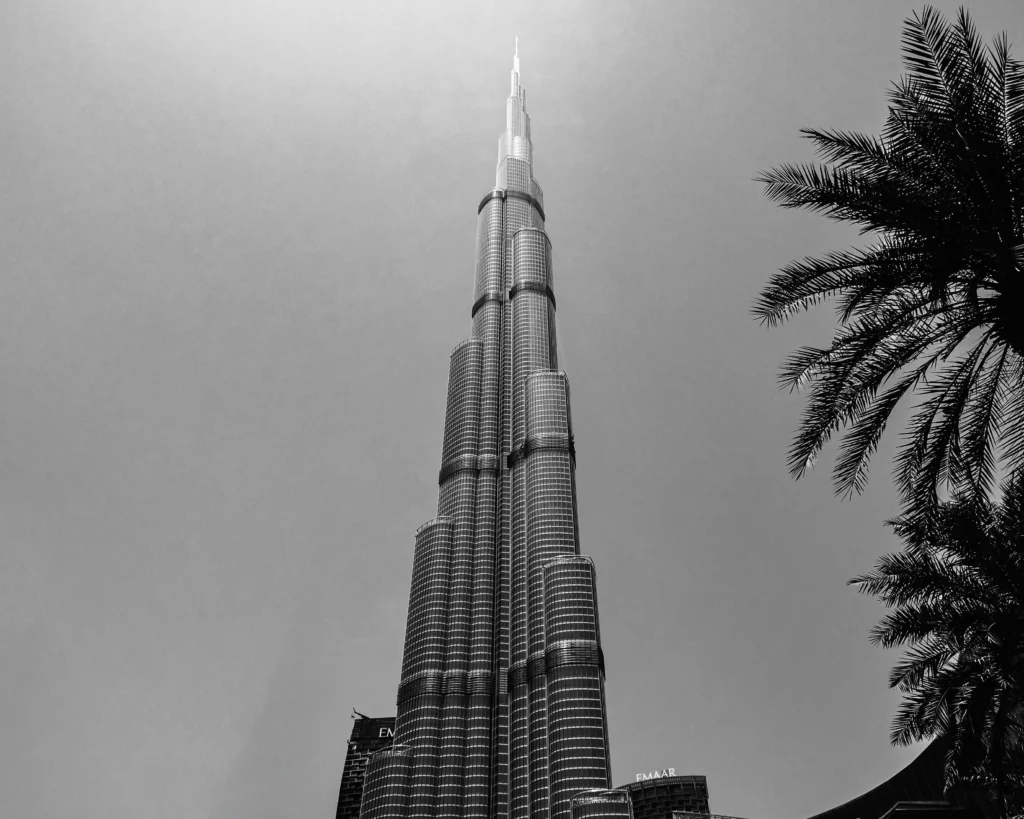
As of late 2023, the tallest building in the world is the Burj Khalifa in Dubai, standing at 828 meters (2,717 feet) with 163 floors. Since its completion in 2010, it has been an iconic representation of modern architecture and design. Following the Burj Khalifa is the Shanghai Tower in China, which reaches 632 meters (2,073 feet) and features a twisting design that helps reduce wind load on the building.
Another notable mention is the Abraj Al Bait Clock Tower in Mecca, which stands at 601 meters (1,971 feet), featuring a large clock that can be seen from miles away. The Ping An Finance Center in Shenzhen, with its height of 599 meters (1,965 feet), and the Lotte World Tower in Seoul at 555 meters (1,819 feet), round out the top five tallest buildings globally.
Recent Developments
Across the globe, several cities are in the process of erecting skyscrapers that may redefine skylines in the near future. The Jeddah Tower in Saudi Arabia, which aims to surpass the Burj Khalifa by reaching over 1,000 meters (3,281 feet), remains under construction with completion expected in 2024. This ambitious project is set to establish a new standard in tall building construction.
Additionally, urban centers in countries like China and the UAE continue to invest in skyscrapers that not only serve as commercial and residential spaces but also incorporate sustainability features. These structures aim to address urban space constraints and are often equipped with energy-efficient technologies, such as green roofs and smart building systems.
Conclusion
The world’s tallest buildings are more than just feats of height; they are reflections of our society’s aspirations and technological advancements. As we move forward into the next decade, the exploration of architectural limits will undoubtedly continue, shaping the skylines of our cities while promoting sustainability and innovative technology. The race to build taller is far from over, and future skyscrapers may redefine our understanding of urban living and architectural possibilities.