The numbers
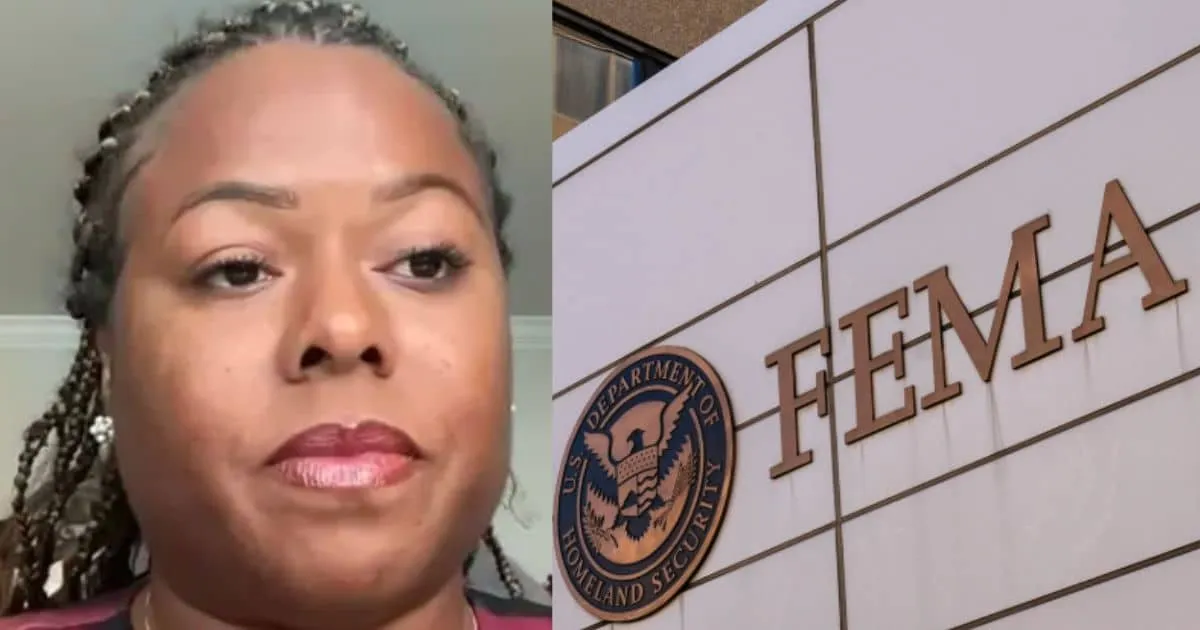
In a significant policy shift, FEMA official Markwayne Mullin has rescinded a rule that mandated personal approval for Department of Homeland Security (DHS) expenditures exceeding $100,000. This decision is expected to alleviate a spending bottleneck that has delayed at least 1,000 FEMA contracts, grants, or disaster reimbursements, which are critical for effective disaster response and recovery.
The rescinded rule, originally implemented by former Secretary Kristi Noem, had resulted in approximately $2.2 billion in recovery and mitigation dollars being held up in the DHS approval queue. Mullin’s action aims to expedite these funds, which are essential for supporting communities affected by disasters.
“We appreciate Secretary Mullin’s common-sense approach to this matter, and we look forward to working with him,” stated Josh Morton, president of the International Association of Emergency Managers (IAEM-USA). Mullin’s decision is seen as a necessary step to ensure that FEMA can respond more effectively to emergencies, especially following a year in which the agency lost over 2,400 employees.
In addition to rescinding the approval rule, Mullin has committed to keeping FEMA adequately staffed, which is crucial for maintaining operational efficiency. The DHS appropriations bill currently under consideration would add just over $26 billion to the Disaster Relief Fund, which already has about $3.6 billion remaining. This funding is vital for ongoing disaster recovery efforts.
Furthermore, the DHS is conducting a review of other policies across the agency, including a pause on the purchase of new warehouses for immigration detention. This review indicates a broader reassessment of agency priorities under Mullin’s leadership.
However, not all reactions to Mullin’s leadership have been positive. Senator Thom Tillis criticized the agency’s performance, stating, “You’ve failed at FEMA.” This highlights ongoing concerns regarding the agency’s ability to manage disaster responses effectively.
Mullin has assured that he will fulfill all legal obligations related to FEMA’s operations, stating, “I will do everything required to me by law.” The scope of the Inspector General’s review will also be comprehensive, as it seeks to identify any improprieties in how contracts were awarded, according to John Sandweg.
As the situation develops, observers will be watching closely to see how these policy changes impact FEMA’s operational capacity and disaster response effectiveness. Details remain unconfirmed regarding the full implications of these changes on future funding and staffing levels at FEMA.