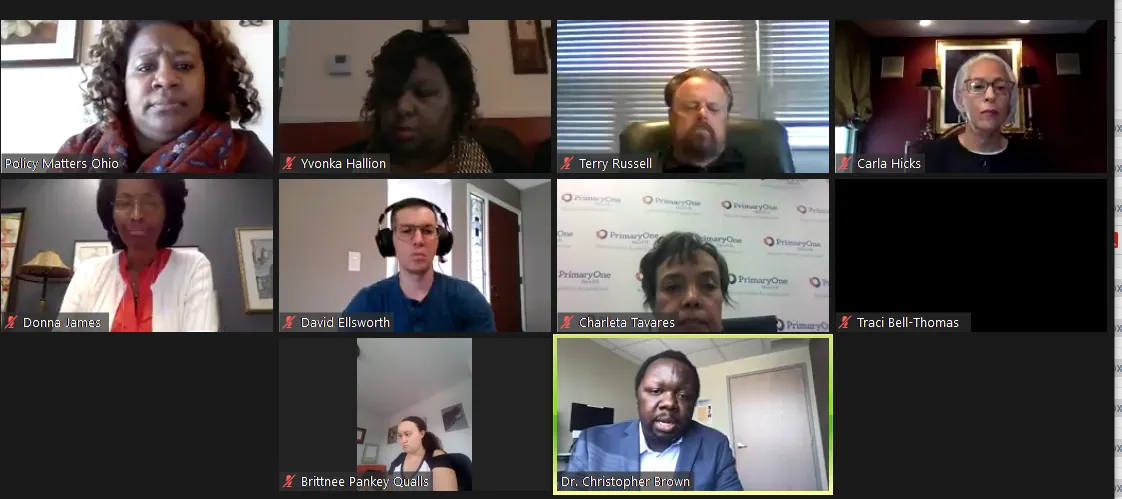
Reaction from the field
The significance of flu shots is underscored by rising health concerns, particularly as measles cases in the United States have surged. With 1,362 cases reported so far this year, the situation is alarming, especially when compared to the 2,281 confirmed cases of measles last year. This increase in measles cases has brought renewed attention to the importance of vaccinations, including flu shots, as a preventative measure against various infectious diseases.
The Centers for Disease Control and Prevention (CDC) has been proactive in addressing these health challenges. Recently, the CDC awarded $1.6 million to researchers for a study on the hepatitis B vaccine, highlighting the agency’s commitment to enhancing vaccine research and development. This funding is crucial as it aims to address potential gaps in vaccination coverage and improve public health outcomes.
However, the situation is complicated by individual health circumstances. For instance, 14-year-old Makayla Skjerva developed severe complications from measles despite being vaccinated. Her case illustrates the vulnerabilities faced by those with autoimmune disorders, as her stepmother Ashley noted, “Makayla has had [the vaccine], but with a [weak] immune system, it doesn’t do anything.” This emphasizes the critical need for continued public health education and awareness regarding the efficacy of vaccines in different populations.
Makayla’s health crisis has drawn significant attention, particularly as she was placed on life support after contracting measles, pneumonia, COVID-19, and a bacterial infection. Her family’s efforts to raise funds through a GoFundMe campaign to support her during hospitalization have resonated with many, further highlighting the personal impact of vaccine-preventable diseases.
As discussions surrounding flu shots and vaccinations continue, it is essential to consider the broader implications for public health. The CDC’s recommendation for two doses of the MMR vaccine to protect against measles, mumps, and rubella remains a key point in the conversation. The rising cases of measles serve as a reminder of the importance of maintaining high vaccination rates to prevent outbreaks.
Despite the challenges, there is a growing recognition of the need for vaccinations, including flu shots, as a critical tool in safeguarding public health. The ongoing dialogue about vaccines is vital, especially as health authorities work to address concerns related to vaccine hesitancy and misinformation.
Details remain unconfirmed regarding the long-term impact of these rising cases on vaccination policies and public health initiatives. As the CDC continues to monitor the situation, further developments are expected in the coming months, particularly as flu season approaches and vaccination campaigns ramp up.