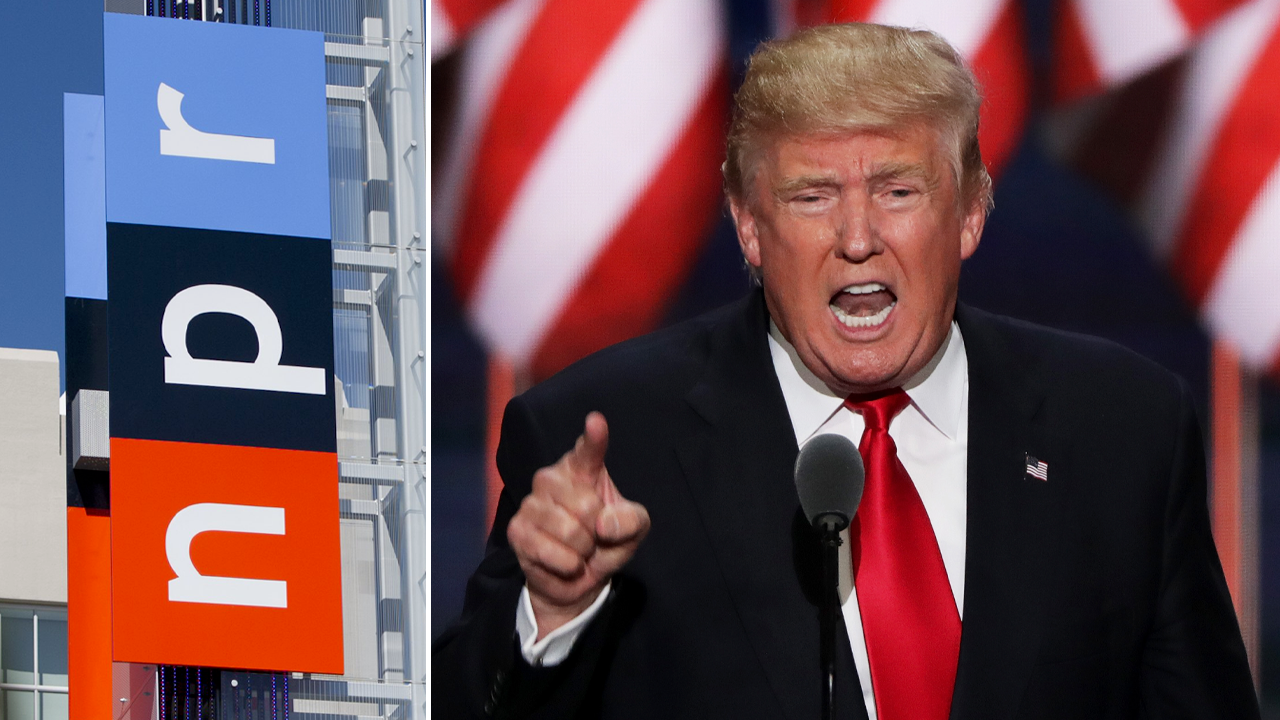
The Importance of the Lawsuit
Former President Donald Trump has recently made headlines by suing the Internal Revenue Service (IRS), an action that underscores significant tensions between politicians and tax authorities. This legal move is particularly relevant as it explores the intersection of politics, taxes, and the ongoing inquiries into Trump’s financial dealings.
Details of the Lawsuit
According to the legal filings submitted this week in the United States District Court, Trump claims the IRS has unlawfully withheld critical documents and information regarding his recent tax audits. The suit highlights his frustration over what he describes as a lack of transparency from the IRS concerning his tax obligations during his term as president.
Trump argues that the audits, which have become a source of public speculation and media scrutiny, are politically motivated rather than legitimate tax enforcement actions. He contends that the agency’s handling of his tax affairs violates his rights and demands that the court order the IRS to release the necessary documents promptly.
Political Context
This lawsuit comes at a time when Trump faces several legal challenges, including investigations into his business practices and potential criminal charges related to insurrection and other matters. The timing of the lawsuit could serve as a strategic move to rally his base while appearing to be a victim of government overreach.
Additionally, Trump’s previous battles with the IRS date back years and include ongoing disputes about his business finances and claimed deductions. This new lawsuit may reignite discussions around tax reform and accountability among high-profile individuals.
Potential Implications
This legal confrontation raises several important questions: What precedent could this set for future interactions between politicians and tax agencies? How might this affect public perception of the IRS and trust in government institutions?
As the lawsuit progresses, legal experts will be closely watching for its implications on both tax law and political ethics. Trump’s case could potentially pave the way for more significant discussions on the rights of taxpayers, particularly public figures subjected to intensive scrutiny.
Conclusion
Trump’s litigation against the IRS is a crucial story unfolding in American politics, highlighting the complex relationship between governmental oversight and individual rights. As such, it is a situation that merits the attention of taxpayers, lawmakers, and political analysts alike. The outcome could influence future IRS practices and policies regarding prominent individuals, shaping the dialogue surrounding tax accountability for years to come.