The Evolving Landscape of the NYT Connections Puzzle
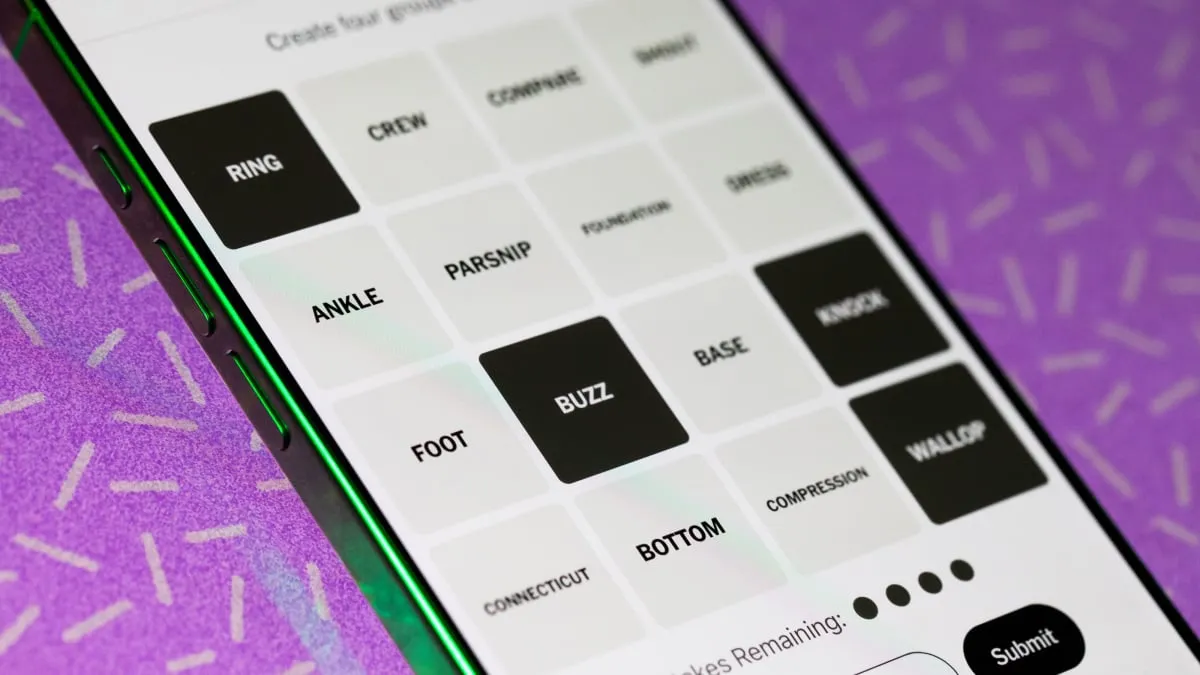
The NYT Connections puzzle has long been a staple for word game enthusiasts, providing a daily challenge that tests players’ ability to categorize words based on various themes. Traditionally, players approached the puzzle with a set of expectations, often anticipating categories that reflect common themes in language or culture. However, the March 9, 2026, edition marked a significant shift in this pattern, introducing a category that resonated with pop culture in a way that had not been seen before.
A Decisive Moment: The Introduction of Muppet Characters
In the latest puzzle, identified as game #1002, the blue category was dedicated to Muppet characters, specifically featuring Fozzie, Gonzo, Beaker, and Animal. This was a notable change from previous puzzles, where categories tended to focus more on abstract concepts or traditional wordplay. The immediate reaction from players was one of surprise and delight, as many found the inclusion of beloved characters from the Muppet franchise to be a refreshing twist.
Immediate Effects on Players and Engagement
The introduction of Muppet characters into the puzzle not only altered the dynamics of gameplay but also engaged a broader audience. Fans of the Muppets, who may not have previously participated in the NYT Connections puzzle, were drawn in by the nostalgic appeal of these iconic figures. As players navigated the puzzle, they were tasked with categorizing words in a manner that highlighted their familiarity with pop culture, thereby enhancing the overall experience.
Expert Perspectives on the Shift
Experts in game design and linguistics noted that the shift towards incorporating recognizable cultural references could be seen as a strategic move by the New York Times to attract a diverse audience. One expert remarked, “The theme for today’s blue category is Muppets,” emphasizing the importance of pop culture in engaging players. Additionally, the hints provided for the blue category were directly related to Muppets, which further solidified the connection between the game and its cultural references.
Contrasting Categories: A Deeper Look
The NYT Connections puzzle for this date also featured other categories, including yellow words that shared similar sounds but were spelled differently, such as Warehouse, Wearable, Werewolf, and Wherefore. The green category focused on metaphors for public scrutiny, including terms like Fishbowl, Hot Seat, Microscope, and Spotlight. Meanwhile, the purple category contained items that feature a boss, such as Company, E Street Band, Mafia, and Video Game. This contrast in categories highlighted the puzzle’s complexity and the varied approaches players could take to solve it.
Player Reactions and Future Implications
As players engaged with the puzzle, reactions varied from amusement to frustration, particularly when attempting to categorize Beaker, who, as noted, is a fictional scientist and did not fit neatly into the metaphors for public scrutiny. One player commented, “BEAKER is the name of a fictional scientist, so it doesn’t go with MICROSCOPE,” showcasing the challenges that arose from the playful yet complex nature of the puzzle. This dynamic interplay between pop culture and wordplay may set a precedent for future puzzles, encouraging the New York Times to explore similar themes.
Conclusion: A New Era for NYT Connections
The March 9, 2026, NYT Connections puzzle represents a pivotal moment in the evolution of the game, blending traditional wordplay with contemporary cultural references. As the puzzle continues to challenge players, the incorporation of beloved characters like Fozzie, Gonzo, and Beaker may redefine expectations and expand the audience for this daily word game. Details remain unconfirmed regarding future themes, but the success of this edition suggests that players can anticipate more innovative approaches in upcoming puzzles.