The wider picture
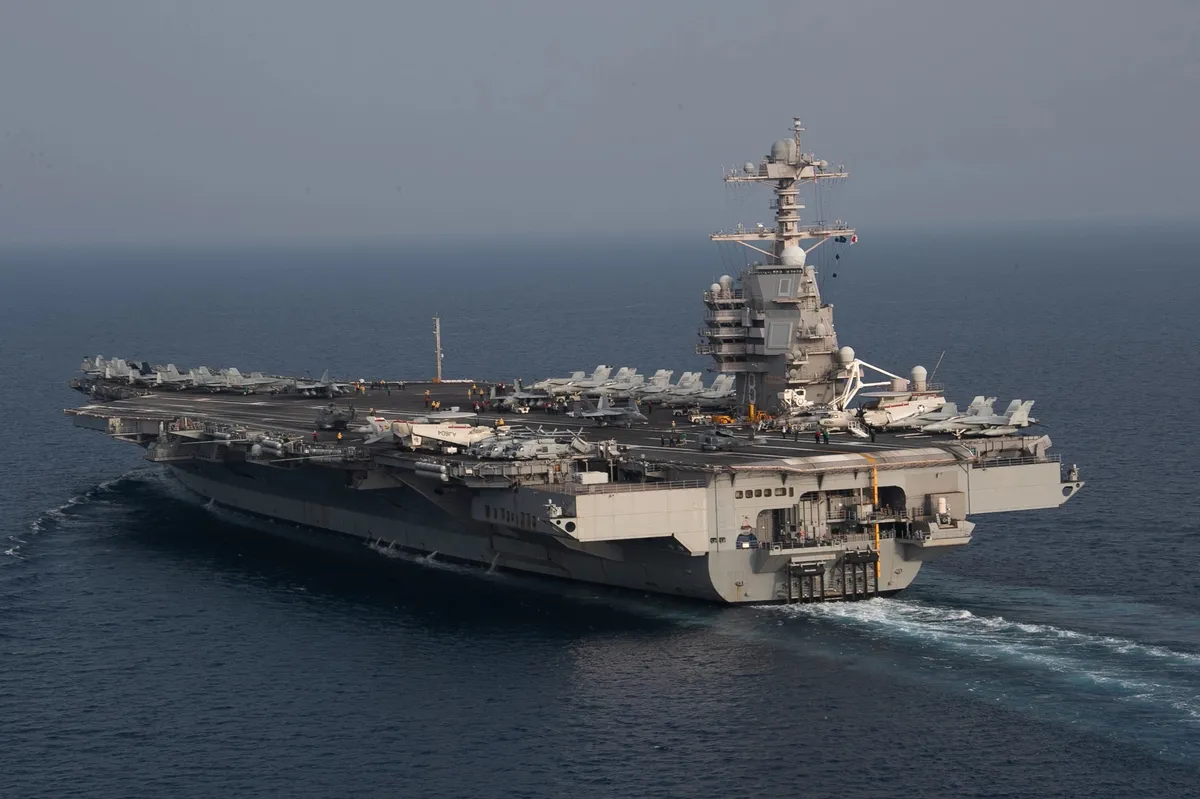
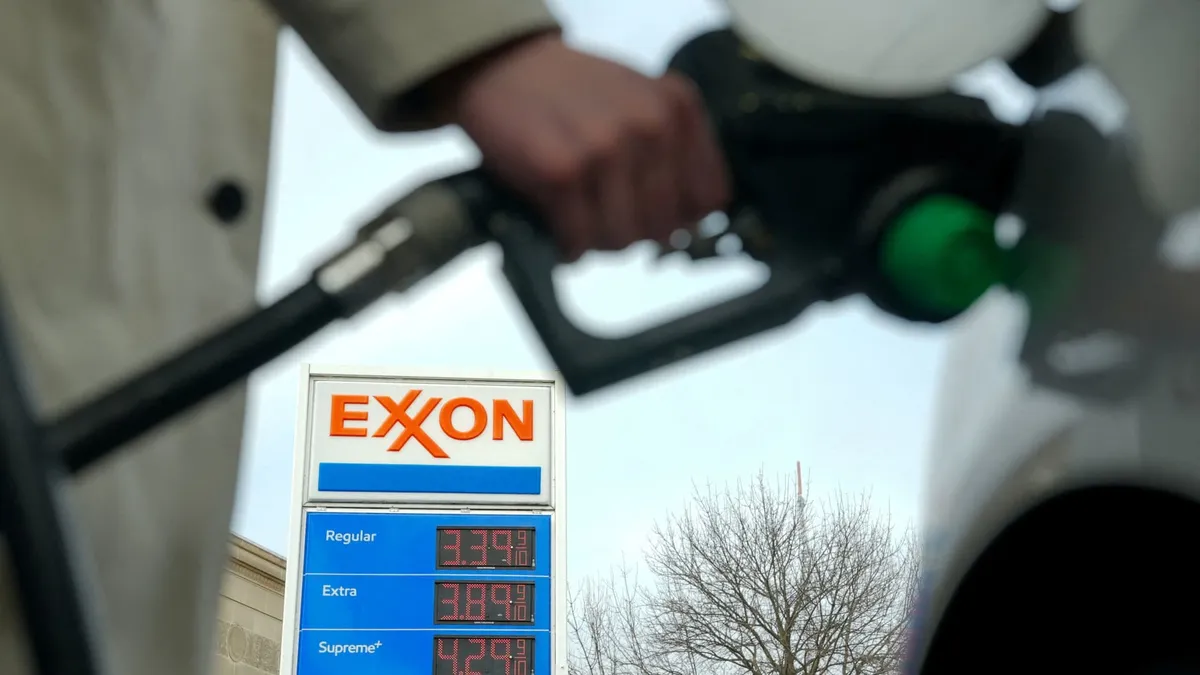
The Strait of Hormuz is the most important sea route for oil exports in the world. Recent geopolitical tensions, particularly the conflict involving the U.S., Israel, and Iran, have led to significant fluctuations in oil prices and, consequently, gasoline prices across the United States. As of March 31, 2026, U.S. gasoline prices have surged above $4 per gallon for the first time in more than three years, hitting a nationwide average of $4.018, the highest level since August 2022.
This spike in gasoline prices is attributed to a more than 30% increase since the U.S. and Israel initiated military actions against Iran in late February. The average monthly gas price in March is anticipated to be 25% higher compared to February, reflecting the ongoing volatility in the energy market. Diesel prices have also seen a significant rise, crossing the $5 per gallon mark on March 17, and are currently more than 40% higher than before the conflict began.
As Americans grapple with these rising costs, it has been reported that they have collectively spent an additional $8 billion on gasoline since the onset of the Iran war. The surge in oil prices, which have increased by more than 50% since the conflict began, is contributing to broader economic concerns, including inflation.
Key figures in the energy sector have voiced their concerns regarding the implications of these rising prices. Lee Zeldin stated, “We foresee potential for a disruption to the American fuel supply,” indicating that the ongoing situation could lead to further complications in fuel availability. Patrick De Haan warned, “This is really quickly going to ignite additional inflation,” highlighting the potential economic ripple effects of increased fuel costs.
Industry experts are also noting the immediate impact on consumers. Andy Lipow remarked, “The consumer has already seen the sticker shock from rising gasoline prices and increased airline ticket prices from the rising cost of jet fuel.” This sentiment reflects a growing concern that the rising costs of fuel will extend beyond the gas pump, affecting various sectors of the economy.
In response to the escalating situation, the Environmental Protection Agency (EPA) is temporarily lifting some regulations to increase gas supplies, a move aimed at alleviating some of the pressure on consumers. JD Vance acknowledged the challenges, stating, “We’ve got a problem, we know we have a problem, and we’re doing everything we can to address it.” This response underscores the urgency of the situation as officials seek to mitigate the impact of rising fuel costs on American households.
As the situation continues to evolve, observers are closely monitoring the developments in the Middle East and their potential ramifications for the U.S. fuel market. While measures are being taken to address the immediate challenges, the long-term effects of the ongoing conflict on gasoline prices and overall economic stability remain uncertain. Details remain unconfirmed.