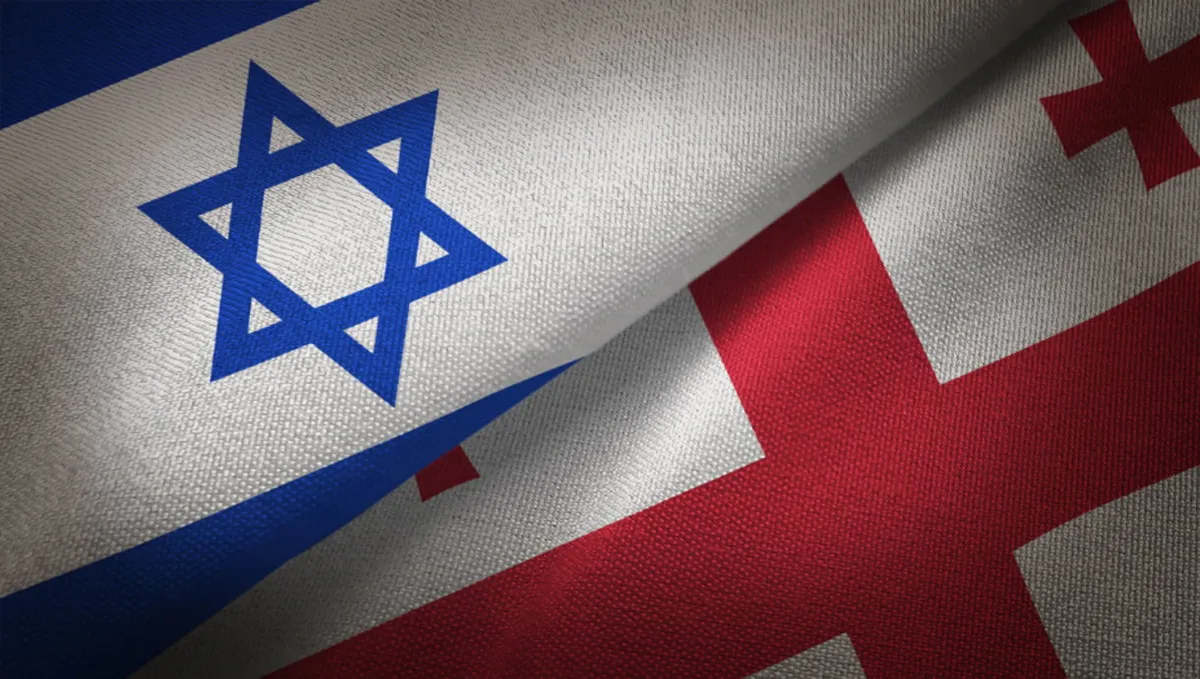
Who is involved
The ongoing war with Iran has significantly altered the landscape for Israelis abroad, particularly as the Passover holiday approaches. Historically, this period has seen gatherings of Israelis, which are now viewed as potential targets for terrorist attacks. The National Security Council (NSC) of Israel has recently issued warnings advising Israelis to avoid public Passover events due to an increased threat of terrorism, particularly from Iranian-backed groups.
Prior to this development, the expectation was that the Passover celebrations would proceed as usual, with many Israelis traveling abroad to partake in communal events. However, the situation has shifted dramatically in light of recent incidents in Belgium and the Netherlands, which the NSC cited as evidence of an escalating risk to Jewish communities worldwide. The advisory reflects a growing concern over the safety of Israelis during this vulnerable time.
In response to these threats, the NSC has recommended that Israelis abroad remain vigilant and avoid unsecured events or locations associated with Israel or Jewish communities. This includes refraining from posting real-time location information on social media, which could inadvertently expose them to potential attacks. The guidelines underscore the heightened alertness required in light of the current geopolitical climate.
Historian Arash Azizi has commented on the broader implications of the ongoing conflict with Iran, stating that for Iran, “victory is survival.” This perspective highlights the stakes involved not only for Israel but also for Iran, which has faced significant degradation in its military capabilities yet continues to pose a threat through asymmetric warfare tactics. The ambiguity in defining victory prolongs the conflict, as both sides navigate a complex and dangerous landscape.
The NSC’s warnings and the historical context of the Passover holiday illustrate the precarious situation for Israelis abroad. The potential for terrorist attacks during this time is a stark reminder of the ongoing tensions and the need for heightened security measures. As the holiday approaches, the focus on safety and vigilance becomes paramount for those celebrating outside of Israel.
As the situation develops, the direct effects on the parties involved are becoming increasingly evident. Israelis abroad are now faced with the challenge of balancing their cultural and religious observances with the need for personal safety. The NSC’s guidelines serve as a crucial resource for navigating this difficult terrain, emphasizing the importance of awareness and caution.
Details remain unconfirmed regarding specific threats or incidents, but the proactive measures taken by the NSC indicate a serious commitment to protecting Israeli citizens abroad. The interplay between historical tensions and contemporary threats continues to shape the experiences of Israelis during significant cultural moments like Passover.