The San Francisco Giants organization has recently faced considerable scrutiny regarding its handling of Pride Night and the actions of some of its players. The controversy has drawn attention from various groups, including fans, media, and political figures, highlighting broader discussions about religious expression and inclusion in sports.
During a recent Pride Night event, three Giants pitchers—Landen Roupp, Ryan Walker, and JT Brubaker—reportedly protested by adding Bible verses to their rainbow-logoed caps. Another player chose to wear the team’s standard cap instead of the special Pride Night gear. These actions led to a swift response from Major League Baseball (MLB), which reminded the players that their conduct violated the league’s uniform protocols. Despite this, the players were not fined or disciplined by MLB, nor were they mandated to wear the rainbow caps.
The incident quickly escalated, drawing criticism from both sides of a cultural debate. Many fans in San Francisco and across the country expressed disappointment, viewing the players’ actions as inflammatory and hurtful, particularly given the city’s significant LGBTQ+ history. Signs protesting bigotry were seen outside the ballpark, with some fans expressing beliefs that the players were discriminatory. One fan, identifying as an “LGBTQ affirming Catholic,” suggested that players who did not wear Pride Night gear should be benched, though he did not consider this religious discrimination.
Conversely, figures like Missouri Senator Josh Hawley and Vice President JD Vance criticized MLB‘s response, viewing the league’s reprimand of the players as an infringement on religious freedom. The Department of Justice reportedly threatened to investigate whether the players’ rights to religious expression were violated. This intervention by the Department of Justice, according to one report, was seen as an opportunity for an ideological conflict, asserting that Christian values were being threatened.
Leadership’s Response and Fan Reactions
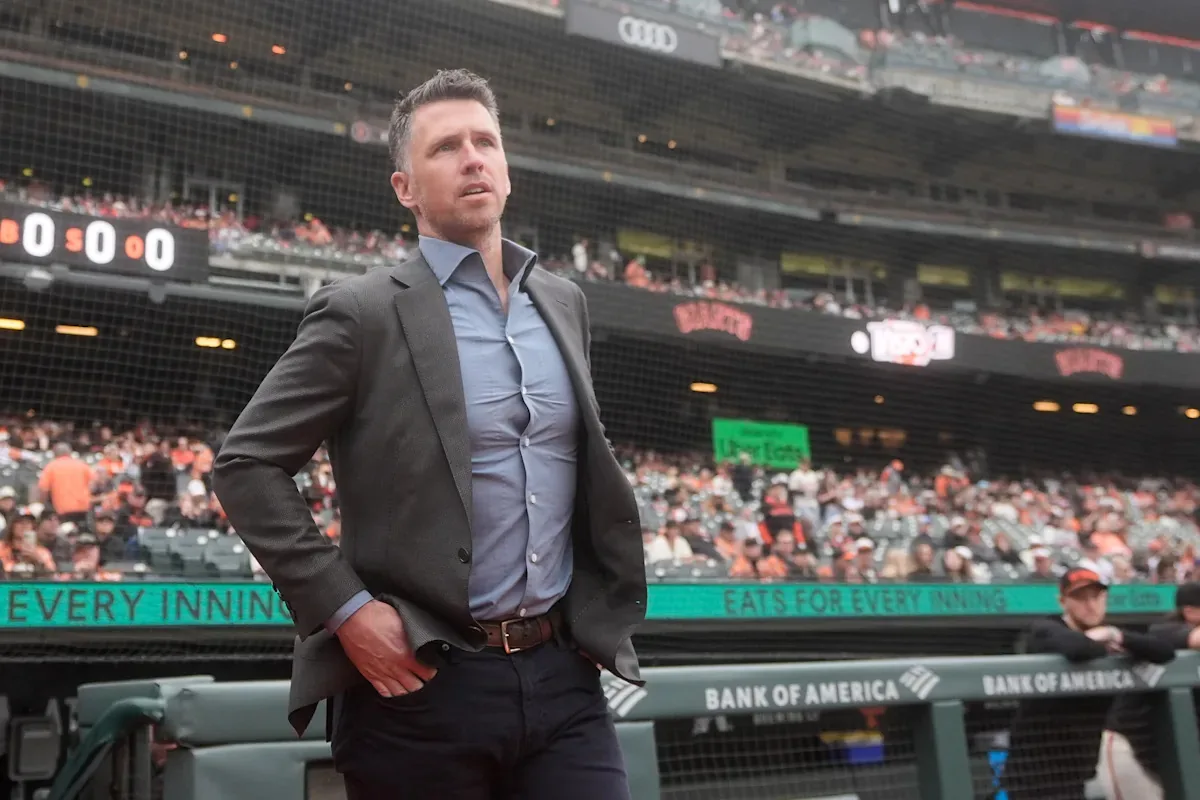
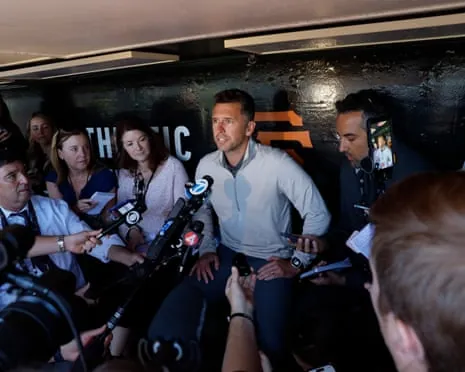
Buster Posey, the Giants‘ president of baseball operations and a former player icon, addressed the media regarding the controversy. His appearance was widely described as a public relations challenge. During a 13-minute press conference, Posey stated that he would only answer “baseball questions,” declining to revisit the Pride Night issue. He acknowledged that the organization had shared its response and that there were strong feelings and differing perspectives on the topic, but he chose not to elaborate further.
This stance by Posey disappointed many fans, particularly those who expected a more empathetic or direct engagement with the issue. Some fans expressed that his refusal to address the controversy was a betrayal of the city’s values and the team’s history. One fan noted disappointment that Posey, a beloved figure, would not discuss the matter, while others felt he was unable to lead effectively in a challenging situation.
The Giants organization has a history of reflecting its city’s culture and values, notably in 1994 when it became the first professional sports team to recognize the impact of HIV/AIDS by holding an “Until There’s a Cure” game. This event raised money and awareness, partnering with activist groups. The team’s owner, Charles Johnson, has been identified as a figure with influence in right-wing politics, and some suggest the protesting players reflect his views rather than those of the city.
Broader Implications and Ongoing Dialogue
The incident has fueled a larger discussion about the intersection of sports, politics, and personal beliefs. Some fans expressed a desire for MLB to focus solely on baseball, arguing that events like Pride Night can create political division and put Christian and conservative athletes in difficult positions regarding their faith. One fan suggested that such events only serve to divide rather than unite.
The controversy also highlighted differing interpretations of religious texts and their application to social issues. Protesters outside the stadium held signs with Bible verses, leading to discussions about how scripture should be interpreted in the context of modern social movements. These conversations underscore the complexity of navigating diverse viewpoints within a public sphere like professional sports.
The Giants‘ response and the players’ actions have led to a re-evaluation of the team’s legacy as a social institution in San Francisco. The club’s handling of the situation, particularly Posey‘s approach, has been seen by some as damaging to his personal legacy and the organization’s standing within the community. The team continues to face challenges both on and off the field.
The Department of Justice‘s involvement in the matter, investigating potential religious discrimination, indicates the broader political and legal dimensions of the ongoing cultural debates surrounding sports and identity.
Read Also
Source: theguardian.com