Understanding High Wind Warnings
High wind warnings are issued by the National Weather Service (NWS) when sustained winds of 40 mph or greater are expected, posing potential hazards to life and property. These warnings have become increasingly important as climate patterns shift, leading to more intense weather phenomena. As communities prepare for strong winds, understanding the implications of these warnings can be critical for safety and awareness.
Current High Wind Warnings
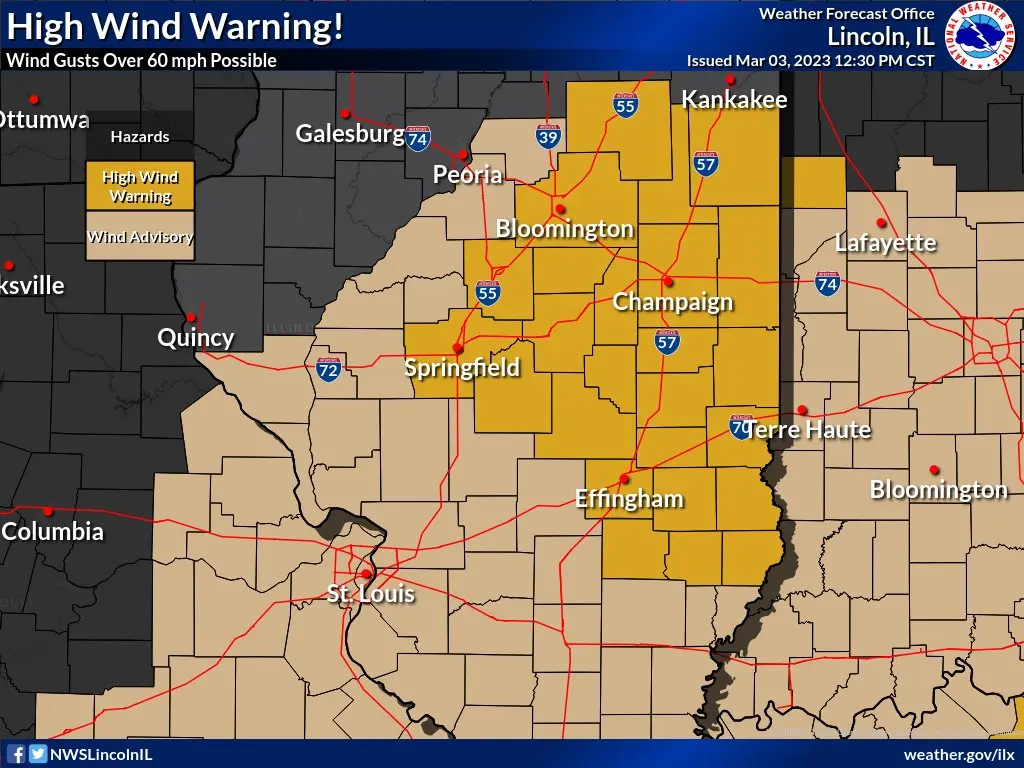
As of recent reports, several states including California, Texas, and Illinois are under high wind warnings due to a powerful weather front moving across the country. The NWS has urged residents in affected areas to be cautious, as wind gusts exceeding 60 mph have been recorded. Such winds can lead to downed trees, power outages, and hazardous driving conditions.
In California, the Southern Sierra foothills are experiencing winds that have prompted emergency services to mobilize. According to local meteorologists, wind gusts could peak at 70 mph in certain elevations, which heightens the risk of wildfires in dry areas. In Texas, the panhandle faces similar conditions with warnings in place for potential damage to structures and vehicles.
Impact on Safety and Infrastructure
The impact of high winds can be widespread, affecting not just power lines and trees but also transportation systems. The NWS has issued advisories for motorists, particularly those in high-profile vehicles who might experience difficulty maneuvering in such conditions. Airports in Dallas and San Francisco have reported delays and cancellations due to adverse weather.
Conclusion and Preparedness
High wind warnings remind us of the unpredictable nature of weather and its immediate impact on daily life. Experts recommend residents heed local advisories, secure outdoor objects, and avoid travel if possible during these conditions. As weather patterns become more erratic, preparedness and awareness can mitigate risks associated with high winds.
Looking ahead, meteorologists predict that while the current high wind pattern may subside in the coming days, the potential for similar weather events will likely increase throughout the season as climate variability continues to evolve.