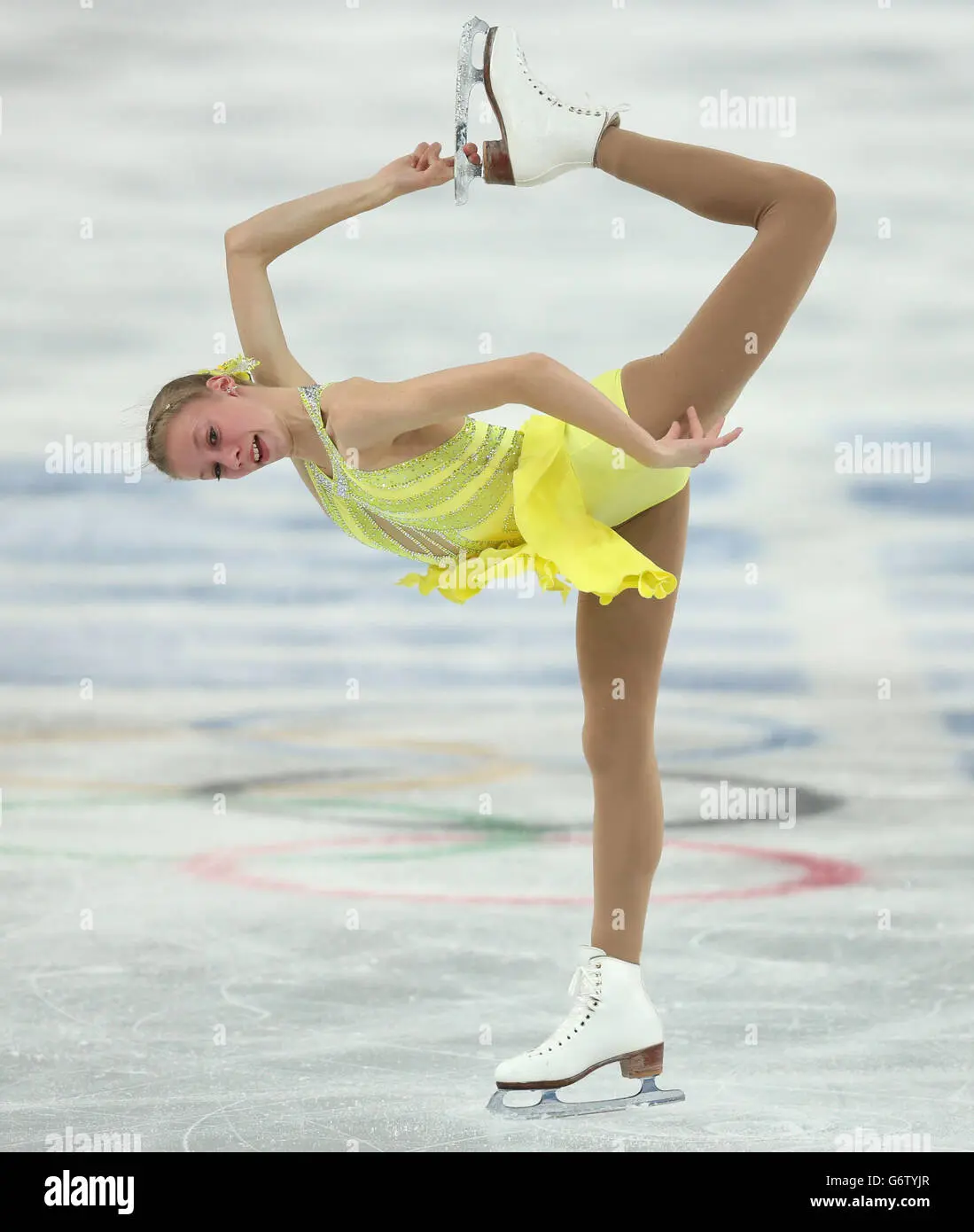
Introduction to Womens Short Figure Skating
Womens short figure skating is a captivating blend of athleticism, artistry, and precision that has gained significant popularity over the years. This segment of figure skating often serves as a thrilling introduction to the women’s competition at events like the Winter Olympics and World Championships. As fans eagerly anticipate upcoming competitions, it’s crucial to understand the nuances and current trends shaping this beautiful sport.
Current Events in Womens Short Figure Skating
Recently, the 2023 Grand Prix series has showcased a new generation of talent in womens short figure skating, with top skaters such as Kamila Valieva and Alena Kostornaia impressing audiences with their technical skills and emotional performances. In a recent Grand Prix event held in Tokyo, Valieva clinched the gold medal with an impressive score that not only highlighted her technical prowess but also her ability to convey complex emotions through her routine.
The growing influence of social media has also transformed the way fans engage with the sport. Skaters are now using platforms like Instagram and TikTok to share their training regimens, behind-the-scenes footage, and even their personal journeys. This increased visibility is not only expanding their fan base but also giving audiences a deeper connection to the skaters themselves.
Technical Developments
In terms of techniques, the introduction of more challenging jump combinations and intricate choreography has become a hallmark of recent performances. Judges are placing a greater emphasis on the overall presentation and technical score, pushing skaters to innovate and push their boundaries. The implementation of the ISU (International Skating Union) scoring system has also led to more precise evaluations of performances, encouraging skaters to hone their craft meticulously.
The Significance for Fans and Future Prospects
The women’s short figure skating scene is not only vital for its entertainment value but also as a platform for aspiring young skaters. The high level of competition inspires future generations to participate in this sport, fostering talent at younger ages. As training techniques evolve and coaching becomes more competitive, we can expect to see even more breathtaking performances in the seasons to come.
Conclusion
Womens short figure skating continues to evolve, driven by a new wave of talented athletes and the integration of technology in training and performances. As fans, we can look forward to thrilling competitions that highlight not only technical brilliance but also the artistic expression that defines the sport. With the upcoming Olympic Games on the horizon, anticipation is building for what may be one of the most memorable seasons in recent history.