On March 19, 2026, Howard University achieved a historic milestone by winning its first-ever NCAA tournament game against UMBC. This victory is particularly significant as it comes during Black Press Week 2026, which runs from March 16-20, and is themed ‘Truth, Trust, and Technology: Approaching 200 Years of the Black Press in a Transforming Information Age.’
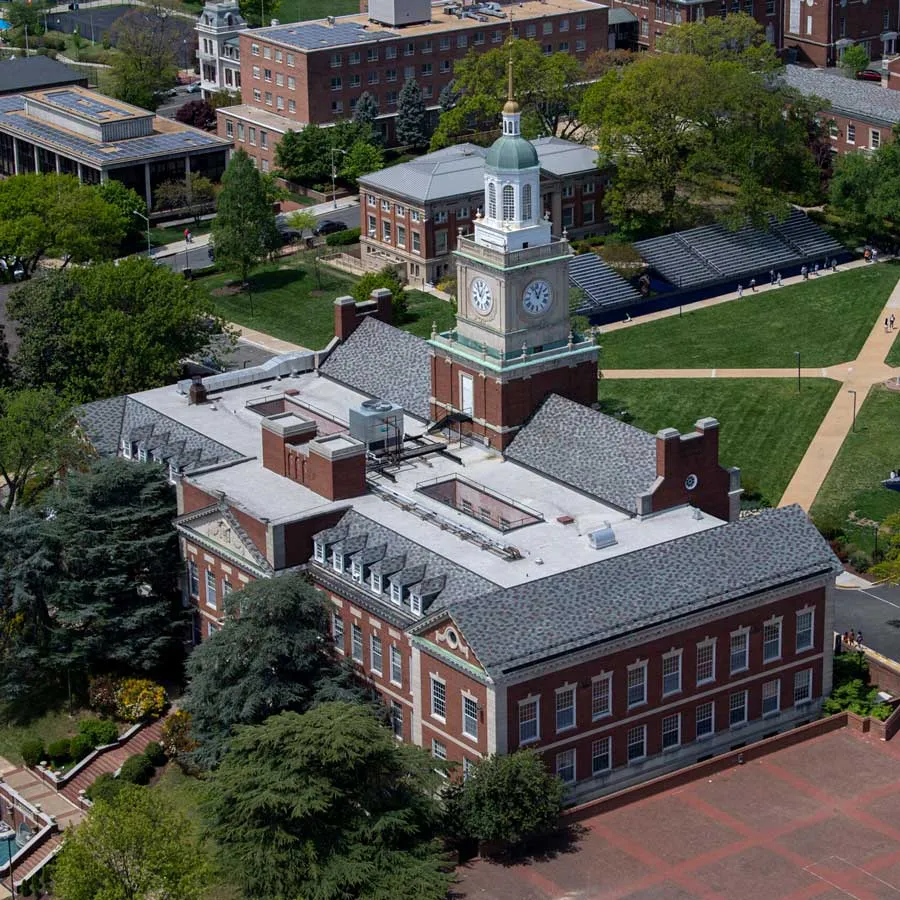
Howard University, a historically black, private research university founded in 1867, is located less than a 15-minute drive from Capitol Hill and the National Mall. The university’s men’s basketball team has made its third trip to the NCAA tournament in four years, reflecting a growing competitiveness in collegiate athletics.
The win against UMBC not only marks a turning point for Howard’s basketball program but also positions the team to potentially become the first HBCU to reach the third round of the NCAA tournament if they win their next game. Historically, the NCAA tournament, which began in 1939, did not initially include historically Black colleges and universities (HBCUs), making this achievement even more noteworthy.
Howard’s men’s team secured its spot in the NCAA tournament by winning the Mid-Eastern Athletic Conference championship. The significance of this victory is underscored by the fact that only 31 spots in the NCAA tournament are awarded through conference championships, highlighting the competitive nature of the tournament.
The Black Press Archive Digitization Project, which aims to preserve historical records of Black media, was also a focal point during Black Press Week. Rev. Dr. Benjamin F. Chavis Jr. described the Black press as a ‘moral and historical record,’ emphasizing its importance in documenting the experiences and achievements of the Black community.
Brandon Nightingale remarked, ‘The event was a tremendous success,’ reflecting the positive atmosphere surrounding both the basketball victory and the celebration of Black media. Dr. Ingrid Sturgis added, ‘You have to let your readers or users know exactly how you’re using it,’ highlighting the importance of transparency in media practices.
Kameron Hayes noted the historical significance of Howard’s win, stating, ‘It’s history-making to say the least.’ This sentiment resonates with many as the university continues to break barriers in collegiate sports.
As Howard University celebrates this landmark achievement, the financial implications of their NCAA tournament success are also noteworthy. The university stands to earn approximately two million dollars per NCAA tournament unit, with additional earnings of 113,000 dollars per game for the women’s NCAA tournament.
Liam Allen expressed his support for the players, stating, ‘I think the money that they win should go to them,’ emphasizing the need for equitable distribution of resources within collegiate athletics.
Overall, Howard University’s victory in the NCAA tournament not only marks a significant achievement for the institution but also contributes to the ongoing narrative of HBCUs making strides in the world of sports.