Introduction
As the Atlantic hurricane season progresses, the importance of real-time data in predicting and managing storm damage becomes increasingly evident. While many storms pose threats, Hurricane Melissa, which formed in early October 2023, has captured attention for its rapid intensification and potential impacts on coastal communities. Understanding the role of the Hurricane Hunters, a specialized team of meteorologists and pilots, is crucial in assessing the implications of storms like Melissa.
Hurricane Melissa: Overview
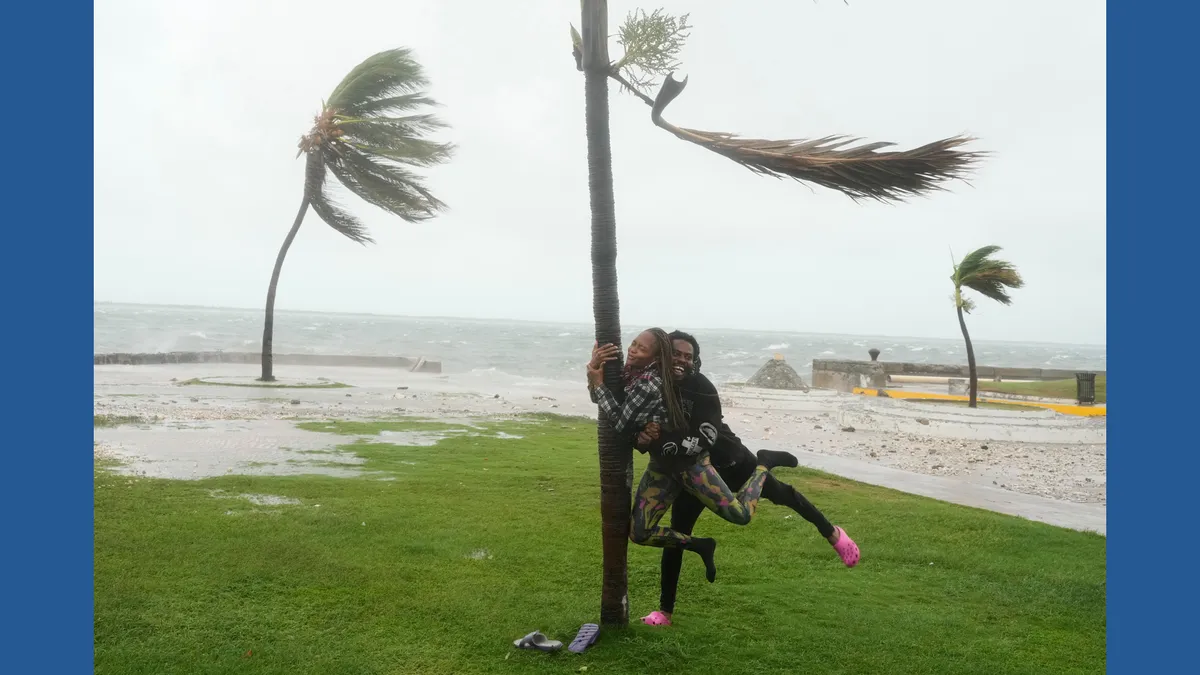
Hurricane Melissa formed in the Central Atlantic on October 2, 2023. Initially a tropical storm, rapid intensification was observed, with sustained winds reaching 90 mph just days later, leading to its classification as a hurricane. Forecasts indicated a potential path towards densely populated areas in the Eastern United States, raising concerns among residents and authorities. The National Hurricane Center (NHC) issued several warnings and watches due to the storm’s unpredictable behavior and potential for severe weather conditions, including heavy rainfall and strong winds.
Role of the Hurricane Hunters
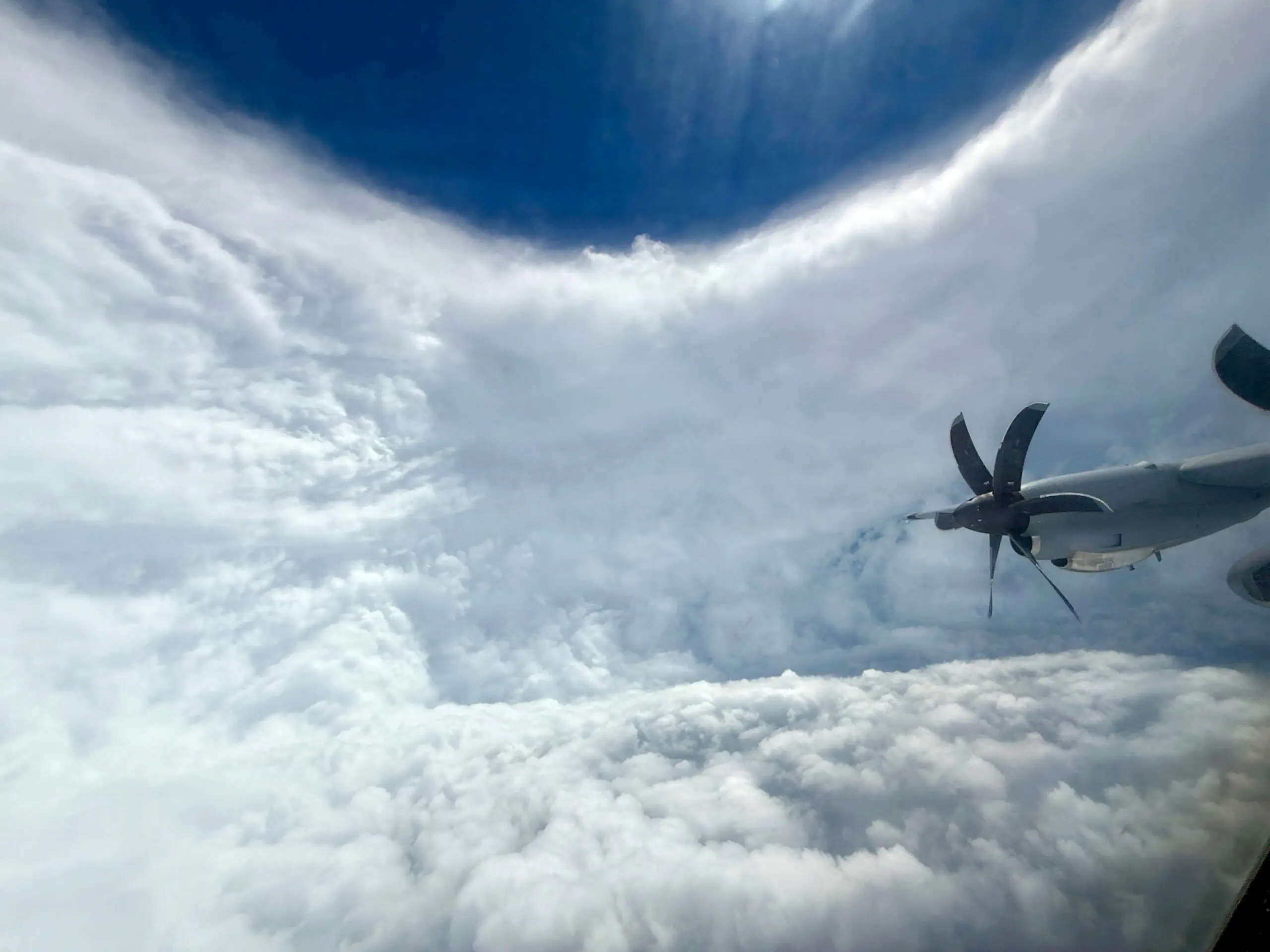
The Hurricane Hunters are an elite team of the National Oceanic and Atmospheric Administration (NOAA) known for flying directly into storms to gather critical data. Equipped with specialized aircraft, these meteorologists and pilots collect data on storm structure, temperature, pressure, and wind speed. This hands-on approach to data collection allows for a comprehensive understanding of a storm’s behavior and helps create more accurate forecasts.
During Hurricane Melissa, the Hurricane Hunters reported real-time observations that indicated fluctuations in the storm’s intensity. Their findings contributed necessary insights to improve prediction models and aid in evacuation planning for residents in affected areas. Additionally, the information shared by the Hurricane Hunters enables local emergency services to prepare and respond effectively.
Conclusion: Importance of Preparedness
The work done by the Hurricane Hunters is vital, not only for immediate forecasting but also for long-term strategic planning in disaster preparedness. As the frequency and severity of hurricanes increase due to climate change, the information these dedicated individuals gather will prove more valuable than ever.
As communities brace for the impacts of storms like Hurricane Melissa, understanding the storm’s behavior, provided by the Hurricane Hunters, is crucial. It enables proper preparations, timely evacuations, and ultimately saves lives. Increased funding and support for hurricane research and monitoring are paramount to combat the growing threats posed by these natural disasters in the future.