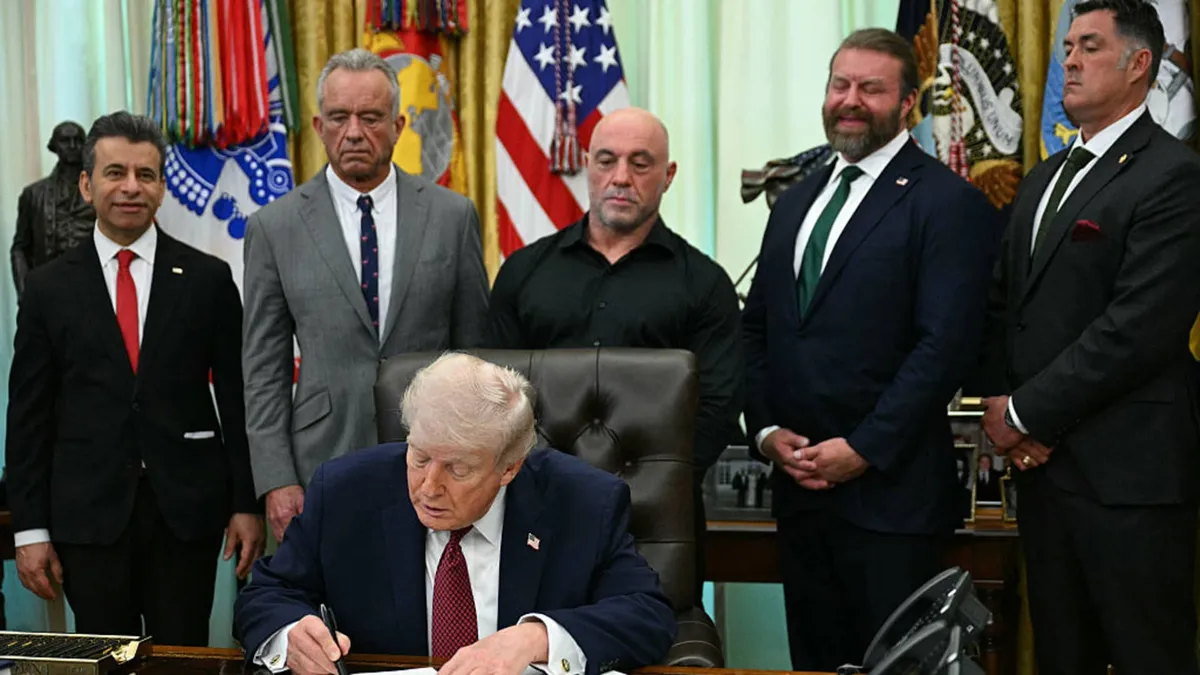
On April 18, 2026, President Donald Trump took a significant step in the realm of psychedelic treatment. He signed an executive order aimed at speeding up reviews of certain psychedelic drugs, including ibogaine. This decision comes amid growing interest in the therapeutic potential of psychedelics, particularly for veterans suffering from conditions like PTSD and opioid addiction.
Ibogaine is derived from a shrub native to West Africa. It has gained traction among combat veterans and conservative lawmakers who advocate for its use in treating severe mental health issues. However, it remains classified under the federal government’s most restrictive category for illegal drugs. The drug has been linked to over 30 deaths due to its potential to cause irregular heart rhythms.
The executive order directs the FDA to issue national priority vouchers for three psychedelics. These vouchers will allow for quicker approval processes if they align with national health priorities. In his remarks, Trump emphasized the importance of this initiative: “Today’s order will ensure that people suffering from debilitating symptoms might finally have a chance to reclaim their lives and lead a happier life.” This statement reflects a growing recognition of the need for alternative treatments.
Despite its promise, ibogaine’s path has not been straightforward. The National Institutes of Health briefly funded research on ibogaine in the 1990s but halted it due to concerns about cardiovascular toxicity. Clinics that administer ibogaine typically monitor patients’ heart readings closely and maintain emergency medical equipment on hand—safety measures underscoring the drug’s risks.
In Texas, the state allocated $50 million last year specifically for ibogaine research. Veteran organizations continue to advocate for its potential benefits, citing studies that show improvements in symptoms of traumatic brain injury among veterans treated with ibogaine. Last year alone, around 2,000 people received treatment at Beond Ibogaine clinic, with costs ranging from $15,000 to $20,000 per person.
Yet, while some see hope in this development, uncertainties remain. The executive order is not yet finalized and the administration’s plans could still change. Furthermore, the impact on ibogaine clinics will not be immediate, and insurance coverage remains unclear.
High-profile supporters like Marcus Luttrell have also weighed in on ibogaine’s potential. Luttrell stated simply: “You’re going to save a lot of lives through it.” Joe Rogan echoed these sentiments by highlighting ibogaine’s unique ability to provide users with introspective insights during treatment sessions.
Ibogaine has been used by members of the Bwiti religion in African nations like Gabon during their religious ceremonies for decades. As its acceptance grows in Western medicine, many are hopeful that it may offer new avenues for healing—especially for those who have exhausted traditional treatments without success.