Reaction from the field
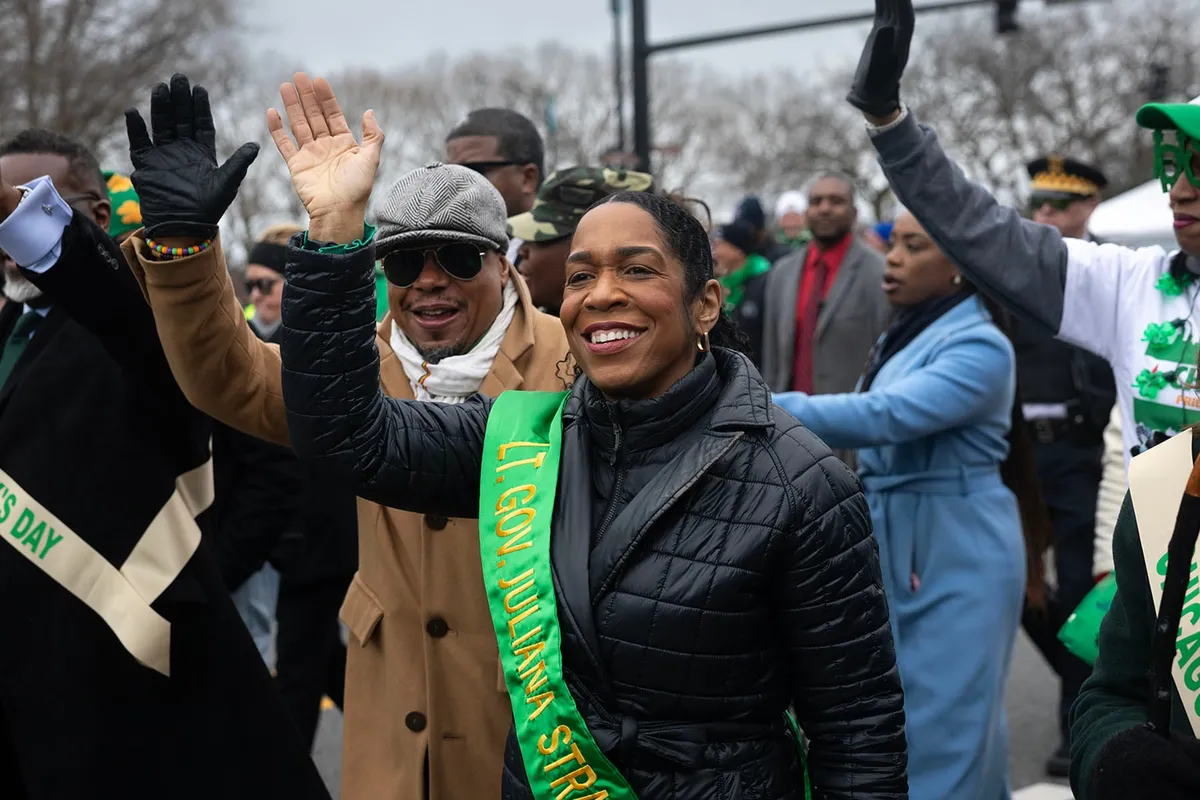
The Illinois Primary Election held on March 17, 2026, has produced significant outcomes that will shape the political landscape in the state. Juliana Stratton emerged victorious in the Democratic primary for the U.S. Senate, edging out notable contenders Raja Krishnamoorthi and Robin Kelly. This victory positions Stratton as a formidable candidate against Republican nominee Don Tracy in the upcoming general election in November, highlighting the stakes involved in this pivotal race.
Stratton’s win is particularly noteworthy as she emphasized the importance of representation and inclusivity in her victory speech, stating, “Tonight’s message is clear: We’re ready to take our democracy back into our own hands.” Her campaign has resonated with voters, reflecting a desire for change and a commitment to ensuring diverse voices are heard in politics.
In addition to the Senate race, Nikki Budzinski secured the Democratic nomination for Illinois’ 13th congressional district, garnering 8,850 votes. Her victory over Dylan Blaha, who received 5,853 votes, indicates a strong support base as she prepares to face off against Republican nominee Jeff Wilson. This contest is expected to be closely watched, as it could influence the balance of power in Congress.
Meanwhile, in local races, Michelle Jett is leading in the Democratic primary for Champaign County executive with 10,079 votes, showcasing her appeal within the community. Additionally, Chyna Figueroa-Dixon is ahead in the contested race for Champaign County Board District 6, having received 896 votes compared to Ryan Musgrove’s 378. These local elections are crucial as they can significantly impact governance at the county level.
The primary election also featured a contentious proposal regarding the expansion of the Mahomet Public Library, which was opposed by a narrow majority of voters. The proposal received 1,316 votes in favor and 1,386 votes against, reflecting the community’s divided stance on local development initiatives.
Historically, Illinois has been a trailblazer in terms of representation, being the first state to elect a Black woman to the Senate with Carol Moseley-Braun in 1992. Stratton’s candidacy continues this legacy, as she aims to break barriers and inspire future generations of leaders.
As the general election approaches, the political dynamics in Illinois are expected to evolve further. Candidates will need to address key issues that resonate with voters, including economic recovery, healthcare, and social justice. The outcomes of these races will not only influence the state but could also have broader implications for national politics.
Details remain unconfirmed regarding the strategies candidates will employ as they gear up for the general election. With the stakes high, all eyes will be on Illinois as it prepares for a pivotal electoral showdown in November.