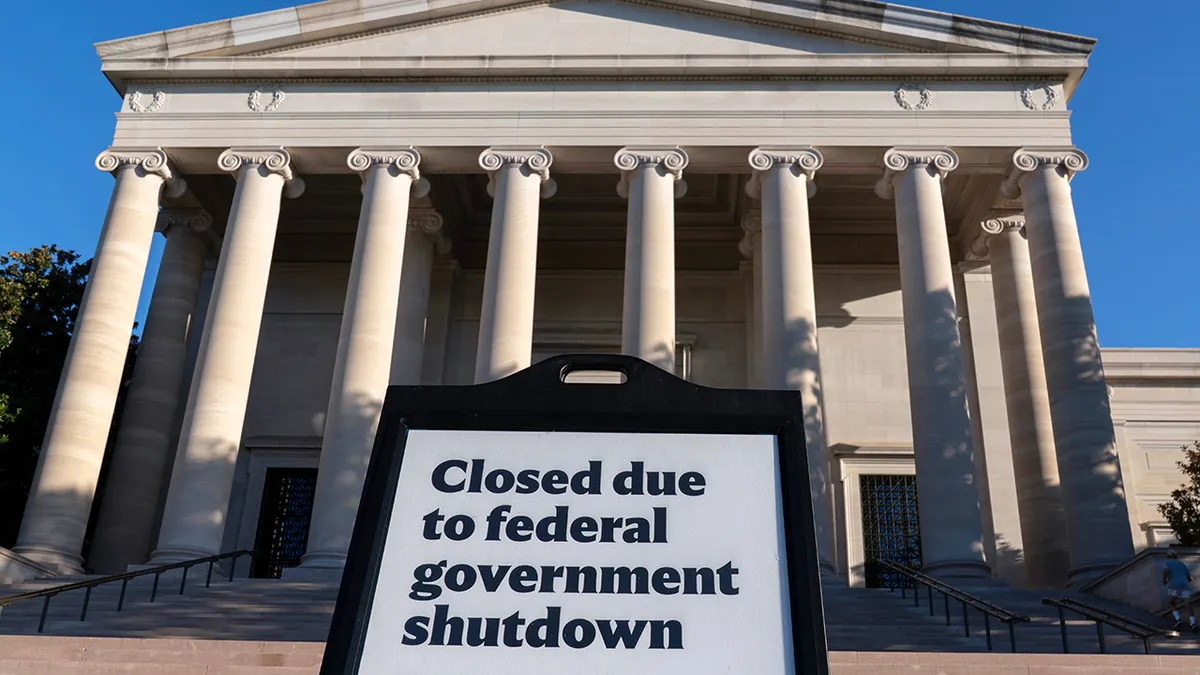
The Importance of Understanding Government Shutdowns
Government shutdowns are critical events that can affect millions of citizens, disrupt federal services, and stall significant national projects. As the U.S. approaches a possible government shutdown in 2026, it becomes essential for citizens to understand what this means for them and the broader implications on the economy and public services.
What to Expect in 2026
As of October 2023, discussions within the halls of Congress signal potential challenges in passing the federal budget for 2026. Historically, government shutdowns occur when Congress fails to reach an agreement on budget appropriations. The 2026 fiscal year budget proposal indicates conflicts primarily revolving around spending caps, immigration policy funding, and social welfare programs.
In previous shutdowns, such as those in 2013 and 2018, essential services like national parks, certain federal employee payments, and public health operations faced significant disruptions. If similar stalemates occur in 2026, the repercussions could mirror those past events, affecting both federal employees and citizens relying on government services.
Recent Developments and Predictions
As the deadline for the 2026 budget approaches, Congress is examining multiple funding proposals. Lawmakers from both parties express their concerns; Republicans aim for reduced discretionary spending, whilst Democrats are advocating for comprehensive funding for health and education services.
Analysts predict that if a government shutdown does take place, the impact could stretch beyond immediate consequences. Economic studies indicate that prolonged shutdowns can lead to job losses in the private sector, increased food insecurity due to weakened SNAP benefits, and delays in critical government contracts.
Conclusion: The Broader Implications
The looming possibility of a government shutdown in 2026 necessitates that both lawmakers and citizens stay informed and proactive. Understanding the potential implications can contribute to a more engaged electorate and encourage demand for accountability in congressional decision-making. As the situation unfolds, continuous monitoring of negotiations and bipartisan efforts will be crucial to prevent detrimental outcomes of a shutdown. The significance of staying updated on this development cannot be understated—what happens in 2026 may solidify the future financial landscape of the nation.