Introduction
The recent measles outbreak in Wake County, North Carolina, has sparked concern among health officials and residents alike. With the highly contagious nature of the virus, community safety and vaccination rates have come under scrutiny. This outbreak serves as a crucial reminder of the importance of vaccination in protecting public health.
Details of the Outbreak
The Wake County Health Department confirmed several cases of measles over the past month, leading to a significant increase in community awareness regarding vaccines. As of now, there have been 15 confirmed cases, predominantly affecting unvaccinated children. This outbreak is particularly alarming considering measles was declared eliminated in the United States in 2000 due to high vaccination coverage.
The health department has mandated that all individuals who spent time in certain public locations during the exposure periods must monitor for symptoms, which typically appear 7-14 days after exposure. Common symptoms to watch for include high fever, cough, runny nose, and a distinctive rash.
Community Response and Health Recommendations
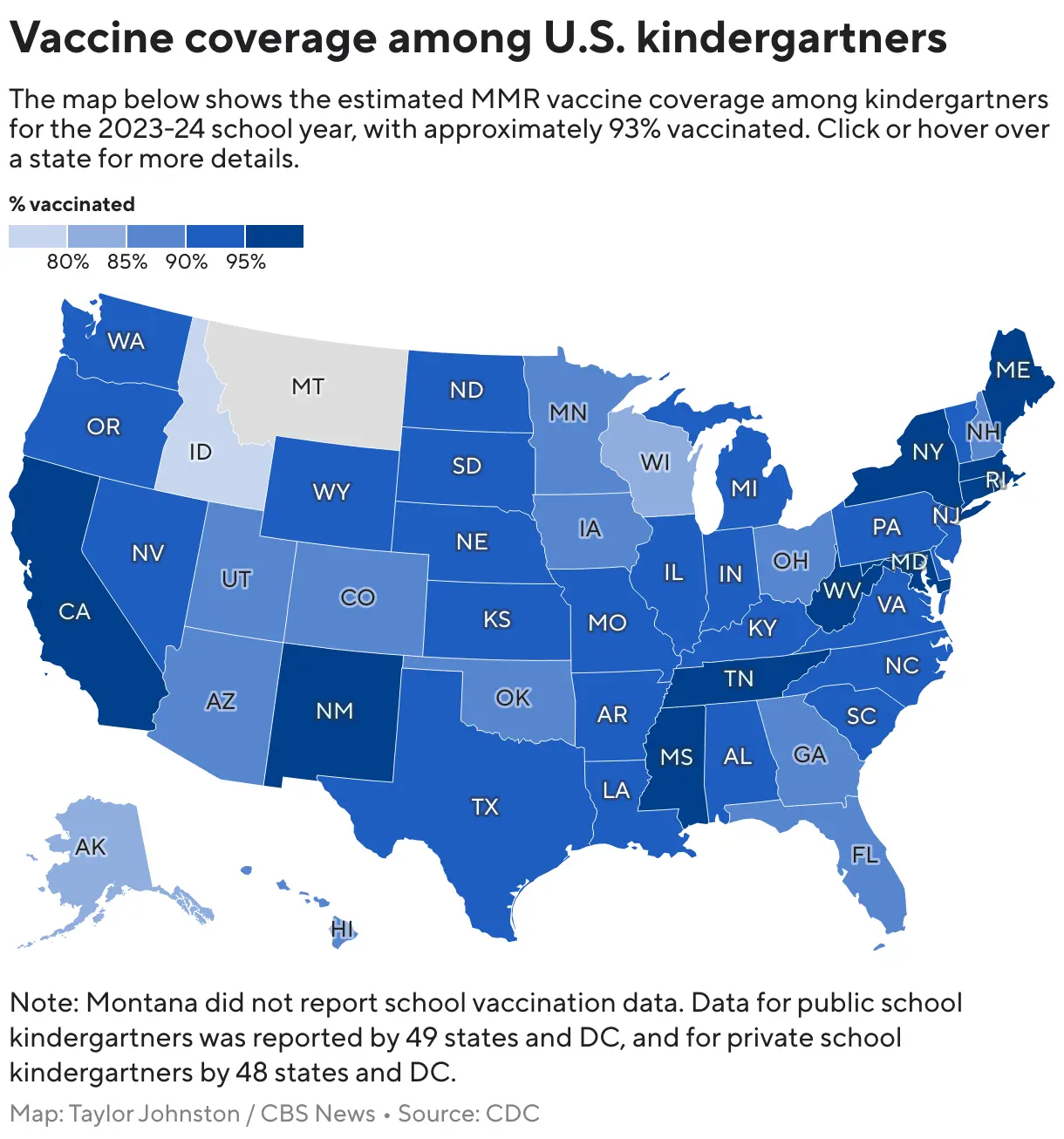
In response, the Wake County Health Department has ramped up educational efforts about the importance of the MMR vaccine (measles, mumps, and rubella) as the best protection against measles. Health experts recommend that children receive the first dose of the MMR vaccine at 12-15 months of age, followed by a second dose at 4-6 years. To promote vaccination, nearby clinics are organizing free MMR vaccination clinics for children and adults.
Community members are encouraged to check their vaccination status and consult with their healthcare providers about getting vaccinated, especially if they are in high-risk groups or have been in contact with confirmed cases. Additionally, awareness campaigns across social media and community centers have begun to educate parents about vaccine safety and efficacy.
Conclusion
The measles outbreak in Wake County highlights the critical importance of maintaining high vaccination rates to prevent outbreaks of vaccine-preventable diseases. As these developments unfold, health officials are closely monitoring the situation and working to control further spread. This outbreak not only serves as a local health issue but also resonates nationally as it underscores the importance of public health vigilance and the need for comprehensive vaccination coverage. The community is urged to stay informed and proactive about vaccinations to protect themselves and others.