Introduction
The Federal Reserve, commonly known as the Fed, plays a crucial role in the economic stability of the United States. Its decisions regarding interest rates and monetary policy can significantly impact inflation, employment, and overall economic growth. The most recent Fed meeting, held in October 2023, was particularly important as it addressed the ongoing challenges posed by inflation and a shifting economic landscape.
Main Body
During the October meeting, the Fed decided to maintain the current federal funds rate, leaving it at a target range of 5.25% to 5.50%. This decision follows several previous increases aimed at curbing inflation, which had soared above the Fed’s target rate of 2%. As inflation rates have shown signs of stabilization, the Fed is taking a cautious approach to ensure that economic growth remains steady while inflation does not rise again.
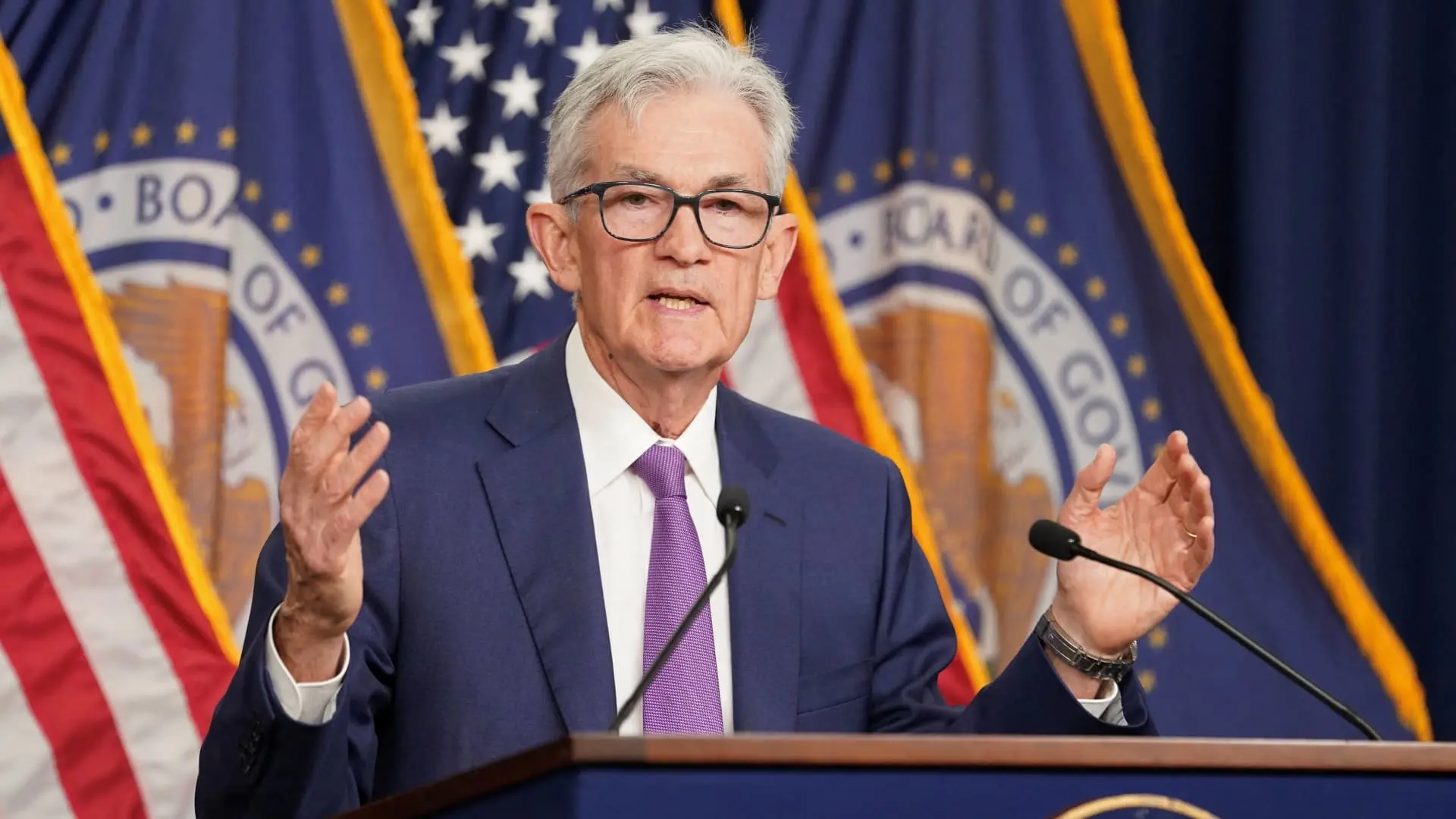
Fed Chair Jerome Powell emphasized the uncertainties surrounding the economic outlook, including global economic conditions and domestic labor market trends. “While we are observing some positive indicators, we need to remain vigilant and responsive to any signs of increased inflation or economic downturns,” Powell stated during the press conference following the meeting.
Moreover, the Fed discussed the importance of monitoring labor market dynamics, with recent data showing gradual wage growth and employment stability. However, Powell noted that tight labor markets could exert upward pressure on wages, potentially fueling future inflation if not managed properly.
The meeting also highlighted the Fed’s intent to continue reducing its balance sheet, which was expanded significantly in response to the COVID-19 pandemic. This reduction is seen as a method to tighten monetary policy gradually without causing shocks to the financial system.
Conclusion
The outcomes of the recent Fed meeting are significant for businesses, consumers, and investors alike. Maintaining the interest rate allows consumers to access credit at relatively lower costs while providing businesses time to adjust to current economic conditions. With inflation experiencing signs of moderation, the Fed remains committed to achieving its dual mandate of maximum employment and stable prices.
Looking ahead, experts suggest that the Fed’s future meetings will be critical in determining whether more rate adjustments are necessary. As the economic landscape evolves, stakeholders should stay informed about these decisions, as they will undoubtedly influence market conditions and economic health in the coming months.