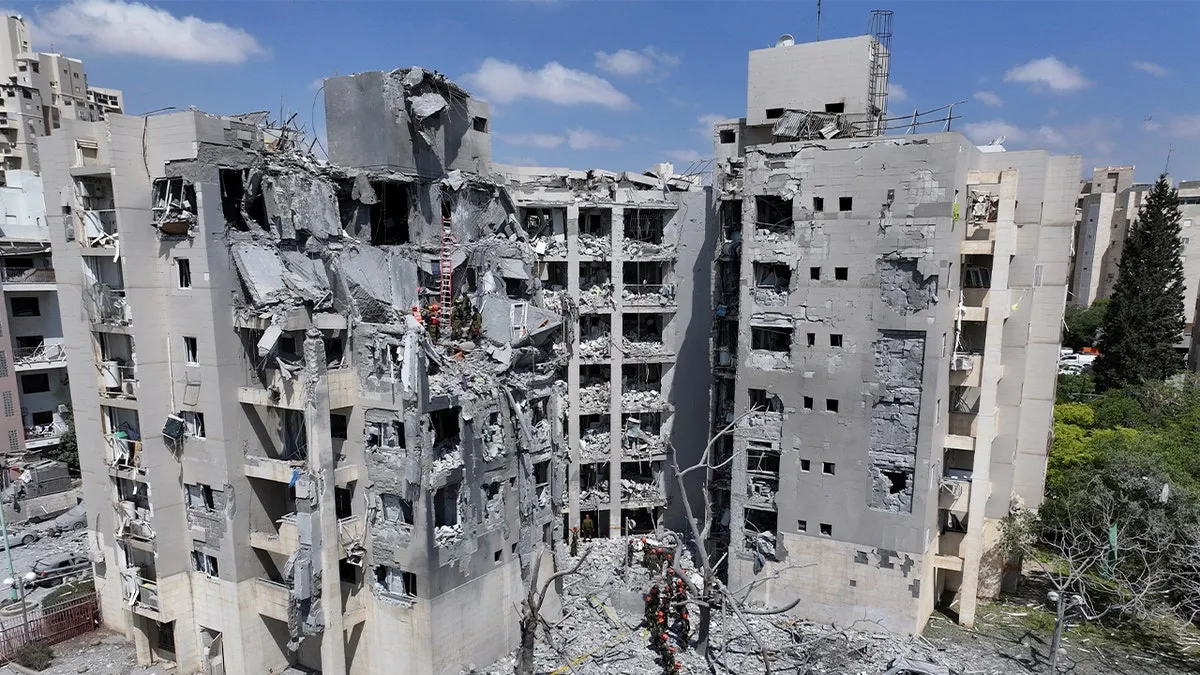
The ongoing conflict between Iran and Israel shows no signs of abating, as Iran has rejected a U.S. proposal for a ceasefire and has intensified its military actions in the region. The consequences of this refusal are significant, with Iran’s death toll from the war exceeding 1,500 people, alongside substantial displacement of populations in Lebanon and Iran.
Iran’s Foreign Minister, Abbas Araghchi, has publicly stated that “no negotiations have happened with the enemy until now, and we do not plan on any negotiations.” This dismissal of diplomatic efforts has led to further Iranian attacks, including recent strikes on Israel and Gulf Arab countries, notably hitting a fuel tank at Kuwait International Airport.
In response to the escalating violence, the U.S. has proposed a ceasefire plan that includes sanctions relief, a rollback of Iran’s nuclear program, and the reopening of the strategically vital Strait of Hormuz. However, Iran has countered with its own five-point proposal, demanding an end to hostilities, reparations for the war, and its sovereignty over the Strait.
The conflict has also had a profound impact on global oil markets, with Brent crude oil prices rising significantly. Prices surged from $100 to a high of $120 per barrel, marking a 35% increase since the war’s onset. This spike is attributed to Iran’s attacks on regional energy infrastructure, which have raised concerns about the stability of oil supplies.
Furthermore, the U.S. has increased its military presence in the region, deploying at least 1,000 troops from the 82nd Airborne Division. This move underscores the heightened tensions and the potential for further escalation.
Despite Iran allowing a limited number of ships through the Strait of Hormuz, it has barred U.S. and Israeli vessels, maintaining a stance of defiance against external pressures. An anonymous Iranian official remarked, “Iran will end the war when it decides to do so and when its own conditions are met.”
Details remain unconfirmed regarding who in Iran’s government possesses the authority to negotiate or would be willing to engage in talks. The exact conditions Iran requires for a ceasefire remain undisclosed, adding to the uncertainty surrounding the conflict’s resolution.