How it unfolded
As of March 31, 2026, tensions between Iran and the United States have reached a critical point, with the Iran President facing mounting pressure amid ongoing military conflict. Just before this date, the situation escalated significantly when Iran closed the Strait of Hormuz to most international shipping for a period of 31 days, a strategic move that has drawn international attention and condemnation.
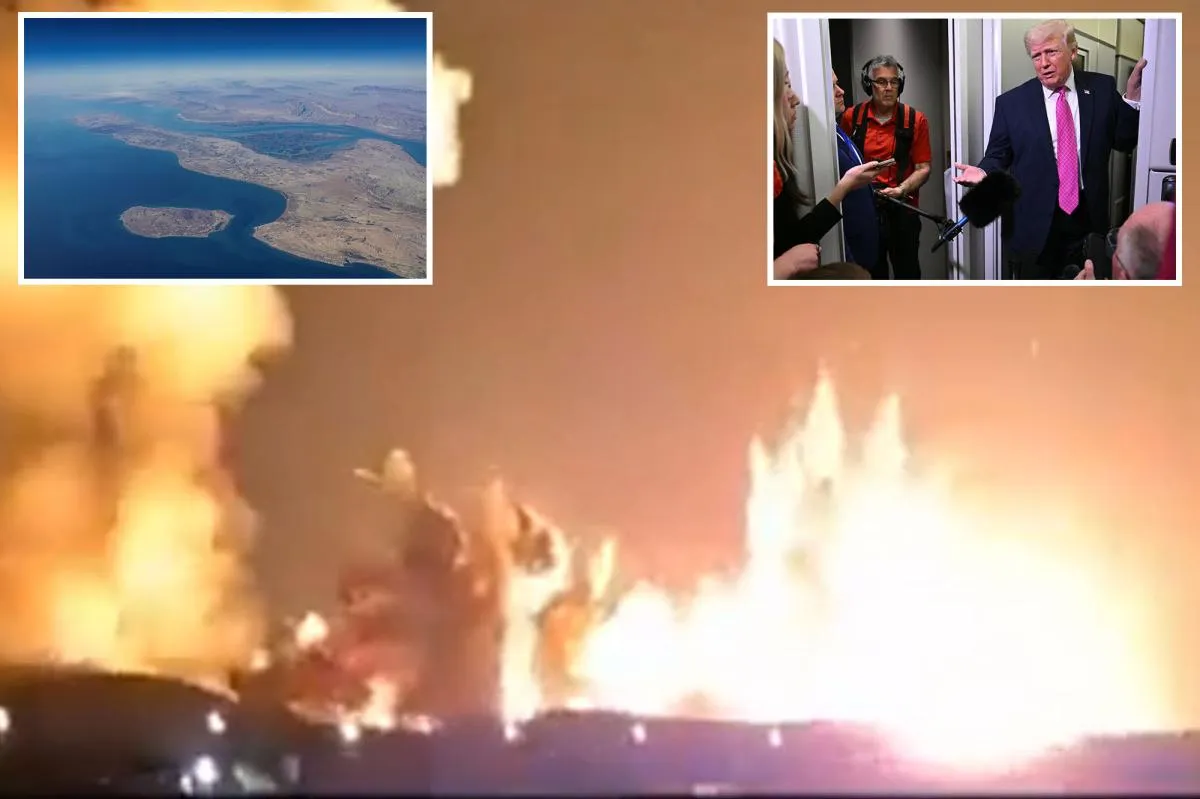
On March 25, President Donald Trump publicly stated his belief that the Iran war is likely to end soon. However, he also issued a stark warning to Iran, giving them an April 6 deadline to reopen the Strait or face potential U.S. airstrikes. This ultimatum has heightened fears of further escalation in the region, as Trump threatened widespread destruction of Iran’s energy resources if a deal is not reached shortly.
In the midst of these developments, Iran has retaliated by striking a key water and electrical plant in Kuwait, showcasing the broader implications of the conflict. The U.S. has responded by targeting military positions on Kharg Island, indicating a significant escalation in military engagements. Reports indicate that approximately 1,900 people have been killed in Iran during the conflict, alongside 1,200 in Lebanon and 19 in Israel, highlighting the severe human toll of the ongoing hostilities.
Iran’s Foreign Minister, Abbas Araghchi, clarified that communication with the U.S. is not to be considered negotiations but rather an exchange of messages, emphasizing the complexities of diplomatic engagement in this fraught environment. Meanwhile, Iran’s conditions for ending the war include guarantees against future attacks and reparations for damages, reflecting the deep-seated grievances that have fueled the conflict.
As the situation develops, the price of Brent crude oil has surged to $115, marking a 60% increase since the war began. This spike in oil prices is a direct consequence of the conflict and the closure of the Strait of Hormuz, a vital shipping lane for global oil transport. In a recent statement, Noura Al Kaabi, a prominent figure in the region, expressed the need for guarantees to prevent future conflicts, underscoring the urgency of the situation.
Details remain unconfirmed regarding the exact terms of any potential negotiations, but the stakes are undeniably high for both Iran and the U.S. The international community watches closely as the April 6 deadline approaches, with the potential for significant geopolitical ramifications depending on the outcome.
In summary, the ongoing conflict involving the Iran President and the U.S. has reached a critical juncture, with military actions and diplomatic communications shaping the future of relations in the region. The next few days will be pivotal in determining whether a resolution can be achieved or if further escalation is inevitable.