The Rise of Iranian Drones
In recent years, Iranian drones have garnered significant attention due to their strategic implications in various conflicts across the Middle East and beyond. The importance of this topic stems from the growing adoption of drone technology by state and non-state actors alike, posing new challenges for international security and military responses.
Recent Developments
In 2023, Israeli officials reported an increase in the use of Iranian-made drones by militant groups in Syria and Lebanon. Notably, the Iranian Revolutionary Guard Corps (IRGC) has been supplying drones to Hezbollah, significantly enhancing the group’s operational capabilities. These developments came on the heels of ongoing tensions between Iran and Israel, leading to fears of further escalations in the region.
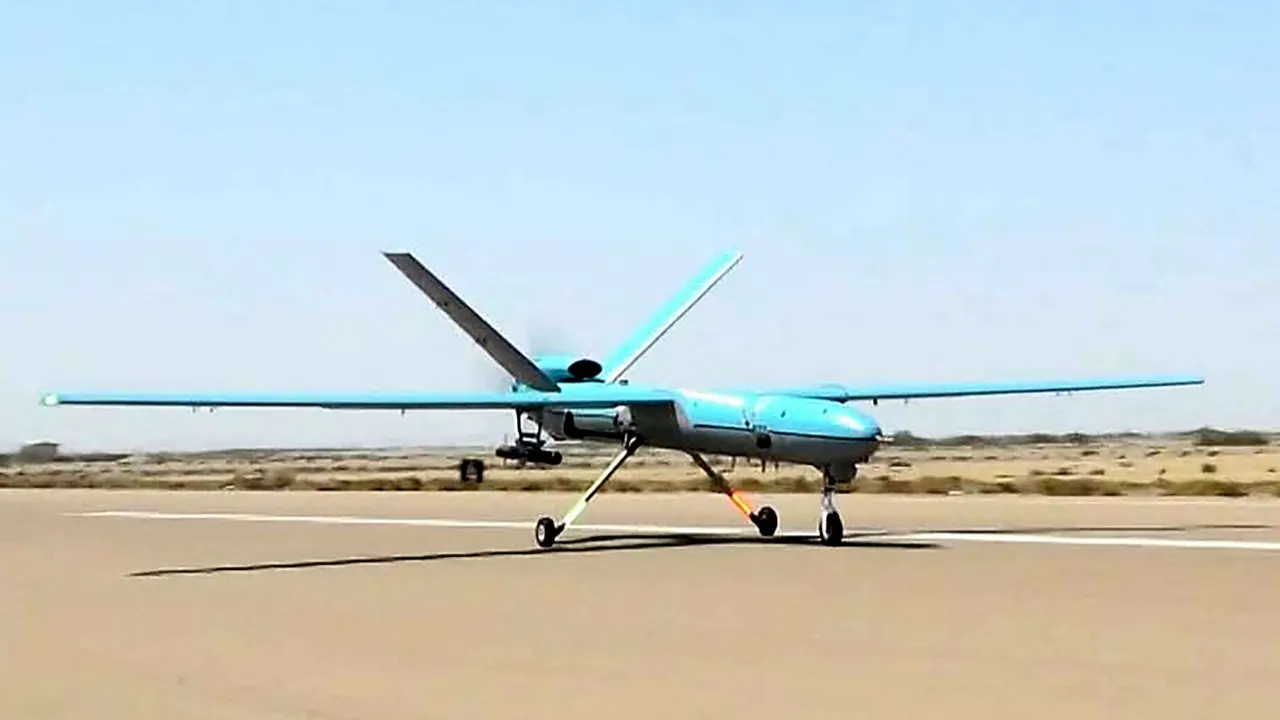
Moreover, the U.S. Department of Defense has raised alarms regarding the proliferation of Iranian drones to other regions, including Yemen and possibly Ukraine, where they have been used to attack enemy targets. The Shahed-136 drone, known for its low-cost and high-impact potential, has become a prominent example of this trend.
International Reactions
The international community has reacted with growing concern over the implications of Iranian drones on regional stability. The U.S. maintains a focus on countering Iranian influence and has imposed sanctions on entities involved in drone production and proliferation.
In a significant diplomatic move, European nations have called for renewed discussions to address the growing threat of Iranian drone technology and its export capabilities. These conversations highlight the need for a cohesive international strategy to mitigate the risk posed by these weapons.
The Future of Drone Warfare
As drone technology continues to advance, the significance of Iranian drones is likely to escalate in the months and years ahead. Analysts suggest that nations around the world will need to develop advanced counter-drone capabilities to safeguard their airspaces and mitigate the risks associated with these unmanned systems.
Conclusion
The emergence of Iranian drones as a critical element in modern warfare highlights the evolving landscape of military conflicts. With potential implications reaching far beyond the Middle East, it is crucial for global leaders and military strategists to address the challenges posed by Iranian drone technology. The effectiveness of future diplomatic efforts and military strategies will play a vital role in shaping the response to this growing threat.