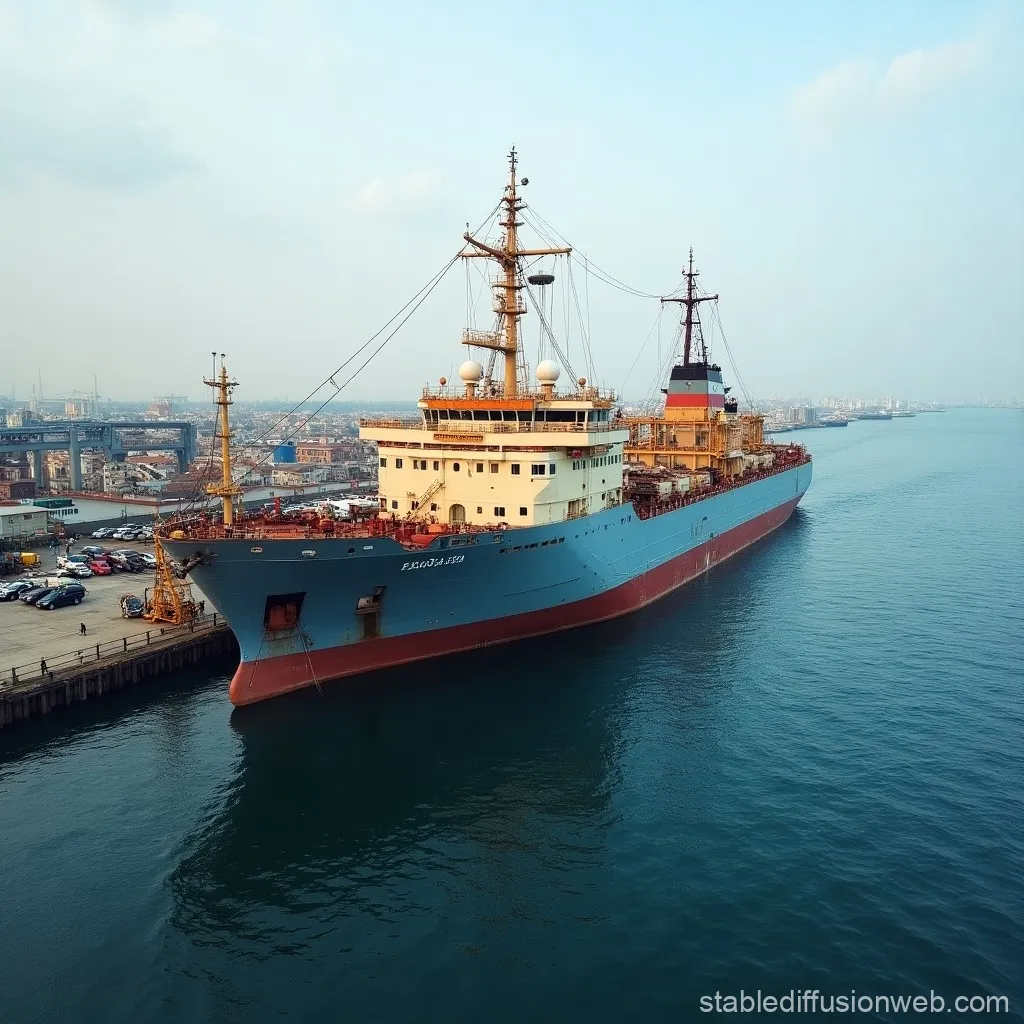
On April 19, 2026, tensions escalated in the Arabian Sea. The Iranian-flagged commercial vessel, Touska, attempted to breach a naval blockade. This move prompted a response from the United States military.
US Marines boarded the Touska after a six-hour standoff. The USS Spruance disabled the ship’s propulsion when it failed to comply with warnings. Footage of the operation was later released by the US military.
The Touska was reportedly en route to Bandar Abbas, Iran, carrying a significant cargo. It is under US Treasury sanctions due to its prior illegal activities.
Iran’s military command accused the US of violating a ceasefire agreement. They claimed that US forces fired at one of their commercial ships during the incident.
In response, Iran vowed to retaliate for the seizure of the Touska. Iran’s Foreign Minister emphasized that they would protect their national interests and security.
The situation is further complicated by historical maritime operations between the US and Iranian vessels in the region. The USS Tripoli also participated in this operation, highlighting ongoing tensions in these waters.
Donald Trump stated, “The Iranian crew refused to listen, so our Navy ship stopped them right in their tracks by blowing a hole in the engine room.” His comments reflect the seriousness of this encounter.
Mohammad Reza Aref remarked on the security situation in the Strait of Hormuz. He noted that threats against Iranian ports and vessels are clear signs of America’s ill will.
Details remain unconfirmed regarding Iran’s next steps following this incident. However, tensions are likely to persist as both nations navigate this complex maritime landscape.
This sequence of events underscores the fragile nature of maritime security in this strategic region. Both countries remain on high alert as they respond to each other’s actions.