How it unfolded
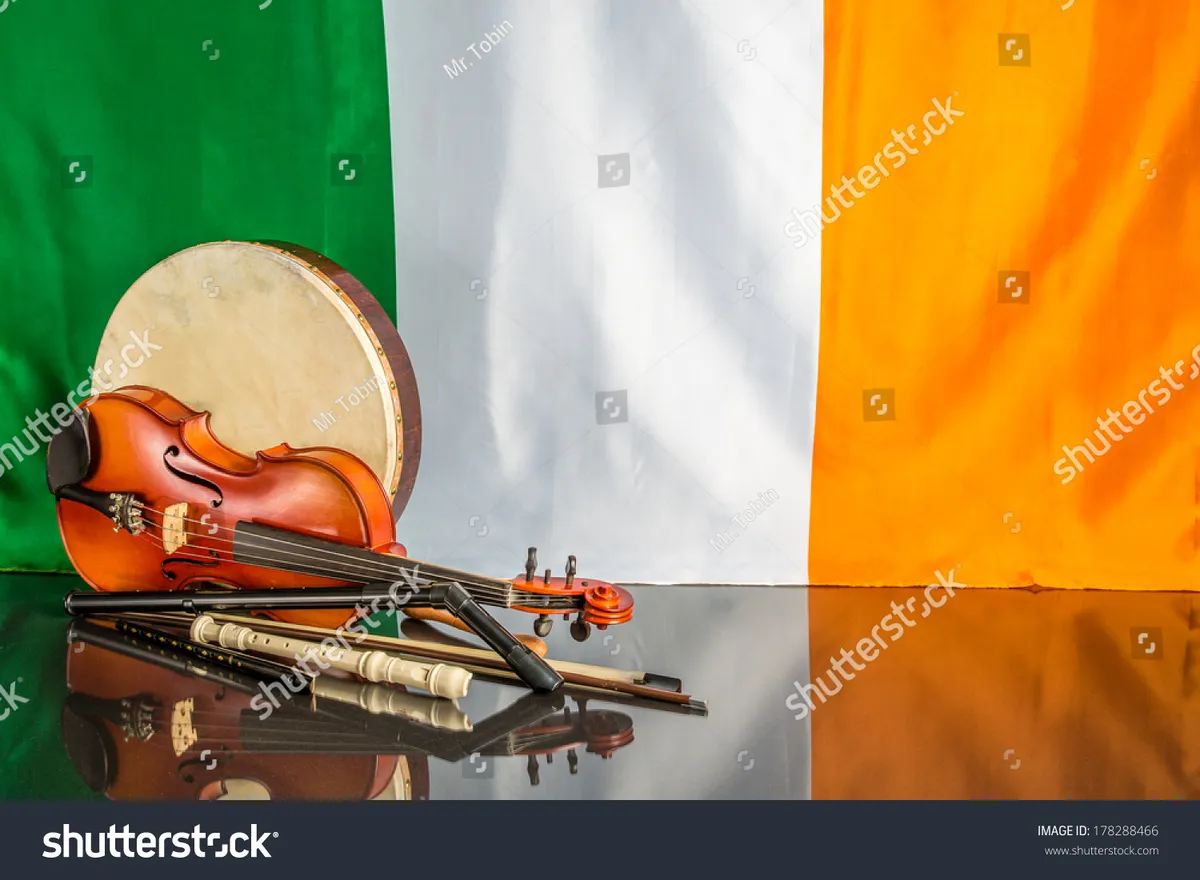
As the world prepares to celebrate St. Patrick’s Day on March 17, the significance of Irish music comes to the forefront. This day, which honors Saint Patrick, the foremost patron saint of Ireland, has evolved into a global celebration of Irish culture and heritage. Music, particularly traditional Irish songs, plays a crucial role in these festivities, creating an atmosphere of joy and nostalgia.
Leading up to St. Patrick’s Day, various pubs and venues across the globe begin to curate playlists filled with iconic Irish songs. Among these, ‘Molly Malone’ stands out as an essential pub song, often sung in unison by patrons. This time-honored folk tune captures the spirit of Dublin and has become synonymous with the celebration. As one might say, “No self-respecting Irish songs’ playlist is complete without this time-honored folk tune.”
Another poignant piece that resonates deeply with listeners is ‘Danny Boy.’ This sorrowful song speaks to the heartache of sending a loved one off to war, encapsulating themes of love and loss. The emotional weight of ‘Danny Boy’ often brings a reflective pause during the celebrations, reminding revelers of the deeper connections that music can evoke.
In contrast, ‘Whiskey in a Jar’ offers a lively narrative about betrayal, showcasing the storytelling aspect of Irish music. This traditional folk song has been covered by numerous artists, further cementing its place in the hearts of fans. Similarly, ‘When Irish Eyes Are Smiling,’ famously performed by Bing Crosby, brings a sense of warmth and joy, making it a staple in many St. Patrick’s Day celebrations.
As the festivities continue, songs like ‘The Rose of Tralee’ and ‘Tim Finnegan’s Wake’ add to the celebratory atmosphere. ‘The Rose of Tralee’ tells a story of love lost, while ‘Tim Finnegan’s Wake’ humorously transforms a wake into a lively party, reflecting the Irish ability to find joy even in somber moments.
Notably, ‘The Soldiers Song (Amhrán Na bhFiann)’ serves as Ireland’s national anthem, reminding participants of their national pride. The anthem is often played during official celebrations, reinforcing the connection between music and national identity. Additionally, contemporary songs like ‘Zombie’ by The Cranberries reflect the historical turmoil in Northern Ireland, showcasing how music can serve as a powerful commentary on societal issues.
As St. Patrick’s Day approaches, the influence of bands like U2, with their hit ‘Beautiful Day,’ and Loreena McKennitt’s ‘The Mummers’ Dance’ adds a modern twist to the traditional celebrations. These songs have transcended generations, appealing to both younger and older audiences alike. The blend of traditional and contemporary music creates a rich tapestry that celebrates Irish culture.
Currently, Irish music remains a vital part of St. Patrick’s Day celebrations worldwide. From lively pub gatherings to grand parades, the songs evoke a sense of belonging and cultural pride among the Irish diaspora and their friends. As one enjoys a frosty pint, the music serves as a reminder that no matter where one travels, the spirit of Ireland can be felt through its melodies. This connection to heritage is what makes the sequence of events surrounding St. Patrick’s Day and its music so significant for those involved.