Before the recent developments regarding IRS pandemic refunds, many taxpayers were uncertain about their eligibility for refunds related to penalties incurred during the COVID-19 pandemic. The expectation was that these penalties, which affected both individuals and businesses, would remain in place, leaving many to bear the financial burden.
However, a decisive moment came with a federal ruling in the Kwong v. United States case, which suspended tax deadlines during the pandemic. This ruling opened the door for millions who were charged penalties between January 2020 and July 2023 to potentially receive refunds. Tax experts estimate that these refunds could amount to billions of dollars.
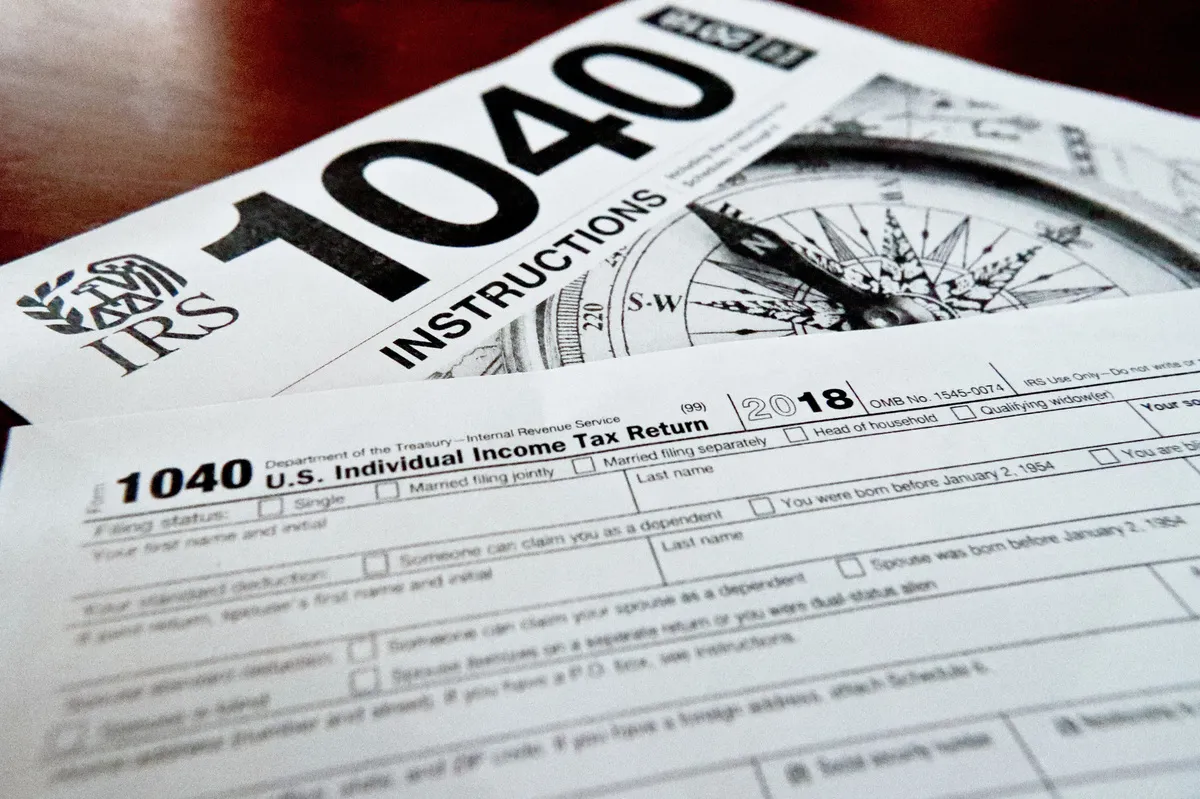
To claim these refunds, individuals and businesses must submit Form 843. The deadline for submitting this claim is set for July 10, 2026, giving taxpayers a three-year window from the extended deadline of July 10, 2023, to act.
Jon Gustafson, a tax expert, noted, “Because it was a disaster for those three years, technically the courts have said the taxes were not due at all during those times.” This perspective emphasizes the significant impact of the pandemic on tax obligations.
Claimants will need to gather documentation, including 2020-2023 notices or transcripts from IRS.gov, to display the penalties they paid. The refunds are expected to vary based on the original penalties, with estimates suggesting they could range from hundreds to thousands of dollars.
Despite the potential for refunds, there is still uncertainty surrounding the ongoing lawsuit related to these tax penalties. As Gustafson mentioned, “Even though you might not get it, because the IRS might win the court case. You might as well try now.” This highlights the importance of taking action, even amidst uncertainties.
Details remain unconfirmed regarding the final outcome of the ongoing lawsuit, leaving many taxpayers in a state of anticipation. The IRS pandemic refund process represents a significant shift in the landscape of tax obligations during an unprecedented time.