Introduction
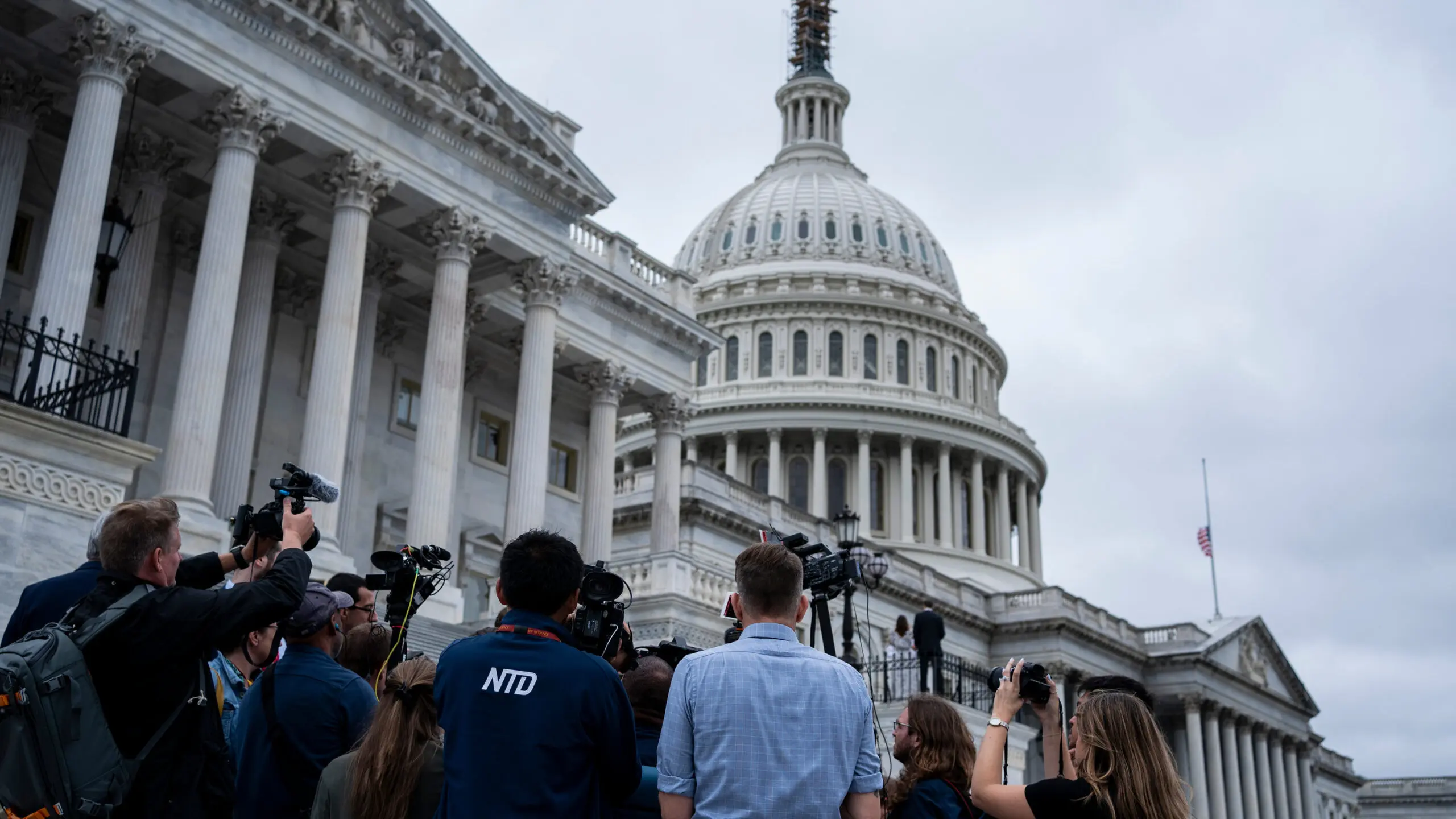
As talks continue in Congress over budget appropriations, many Americans are wondering: is the government shutting down again? This question carries significant weight as previous shutdowns have impacted everyday life, federal services, and the economy. The possibility of a government shutdown emerges periodically, driving concerns about funding and the functioning of essential services.
Current Legislative Climate
As of October 2023, Congress is in a critical negotiation phase to avert a repeat of past government shutdowns. The latest insights indicate that a temporary funding measure is required to keep the government operational as lawmakers debate long-term budget agreements. Nearly a month after the new fiscal year began on October 1, lawmakers are at an impasse over key issues such as defense spending, social programs, and border control funding.
Pressure mounts as the deadline approaches, with funding expected to run out unless Congress and the Biden administration can reach an agreement. The White House has emphasized the need for a bipartisan consensus to ensure federal employees are paid and services continue uninterrupted. President Biden has urged lawmakers to act swiftly, warning that prolonged deadlocks could lead to severe ramifications for millions of Americans.
Historical Context
The issue of government shutdowns is not new to the United States. The last significant shutdown occurred in December 2018 and lasted 35 days, becoming the longest in history. This event had considerable consequences, affecting hundreds of thousands of federal workers, disrupting essential services, and costing the economy billions. Learning from previous outcomes, both lawmakers and the public are becoming increasingly aware of the stakes involved in budget negotiations.
Implications for Citizens
The potential for another government shutdown raises vital questions for citizens. Federal workers may face furloughs or unpaid leave, national parks and museums could close their doors, and critical services like social security and veterans’ benefits could be delayed. Further, businesses relying on federal contracts might see disruptions, causing ripple effects throughout the economy. It is essential for citizens to stay informed during this time, as updates from Congress could significantly impact their livelihoods and access to services.
Conclusion
In conclusion, while there is a clear understanding amongst lawmakers regarding the repercussions of a government shutdown, the issue remains unresolved as negotiations are ongoing. The timeline is critical, with growing urgency as Congress approaches their funding deadlines. For citizens, staying informed and advocating for a stable funding solution is crucial as the government navigates these complex legislative waters. The outcome will not only influence immediate federal operations but could set the tone for future budgetary discussions.