Introduction
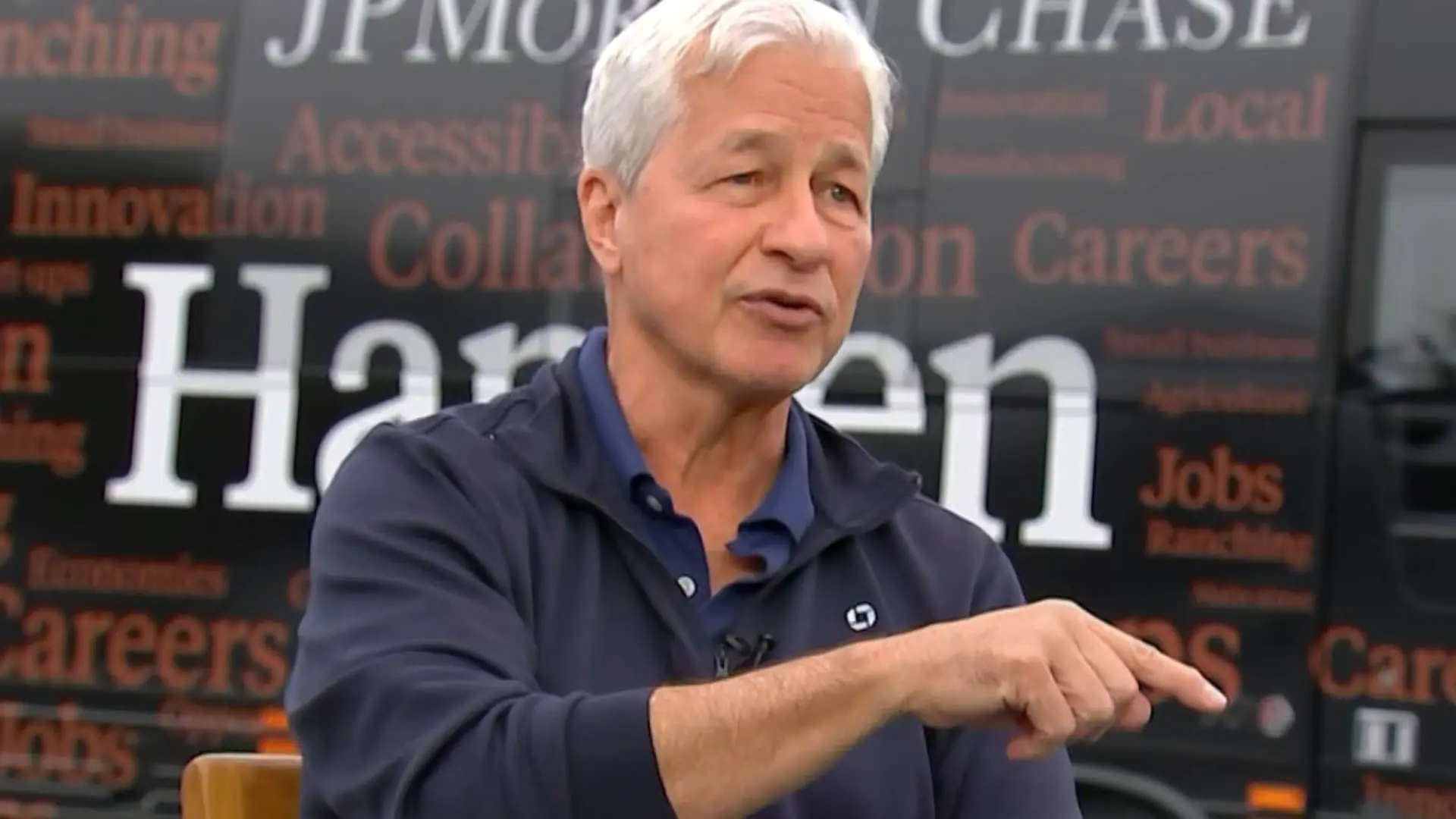
Jamie Dimon, the long-serving CEO of JPMorgan Chase, has been a pivotal figure in the banking industry for over a decade. His leadership has not only influenced the direction of the bank but has also had significant implications for the broader financial landscape. With ongoing economic challenges and the evolution of the banking sector, understanding Dimon’s strategies and insights is more relevant than ever.
Background and Career
Born on March 13, 1956, in New York City, Jamie Dimon graduated from Tufts University and went on to earn an MBA from Harvard Business School. He began his career at American Express and quickly moved up through the ranks in the finance industry, working for firms like Bank One and ultimately becoming the CEO of JPMorgan Chase in 2005. Under his stewardship, JPMorgan Chase has transformed into one of the largest and most profitable banks in the world.
Recent Developments
As of 2023, Dimon has continued to address pressing issues in the financial sector, including the effects of inflation, interest rate volatility, and the ongoing adaptation to digital banking. Recently, during a series of investor calls, he emphasized the importance of preparing for economic uncertainties, providing a candid assessment of the current market conditions. Dimon highlighted that customer behavior is shifting, with increased demand for more flexible banking options, driving JPMorgan Chase to invest heavily in technology and online services.
Strategic Vision
Dimon’s strategic vision includes a focus on sustainability and responsible banking practices. He has publicly stated his commitment to addressing climate change through sustainable financing and has outlined plans for JPMorgan Chase to support various ESG (Environmental, Social, and Governance) initiatives. This approach aims to align the bank’s operations with global sustainability goals, catering to an increasingly environmentally-conscious clientele.
Conclusion
As Jamie Dimon continues to navigate complex challenges in the banking industry, his insights and leadership are crucial for stakeholders and consumers alike. With predictions of potential economic shifts ahead, Dimon’s emphasis on adaptability and innovation could very well shape the future of banking. As readers, keeping an eye on his perspectives can provide valuable insights into the changing financial landscape and the evolving role of banking institutions in society.