Introduction
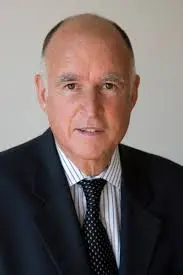
Jerry Brown, the 34th and 39th governor of California, has made a lasting impact on the state’s political landscape. His two non-consecutive terms in office have been marked by progressive policies and a focus on fiscal responsibility. As one of California’s most recognized political figures, understanding his legacy provides insight into the evolution of the Golden State’s political climate.
Political Career and Achievements
Jerry Brown first took office in 1975, leading California with a focus on progressive initiatives. Known for his frugal approach during a time of economic uncertainty, he made notable reforms in education and social services. His early administration emphasized alternative energy sources and environmental concerns, laying the groundwork for California’s green revolution.
After returning to office in 2011, after a lengthy hiatus from political office, Brown faced significant challenges including a budget deficit of over $26 billion. His adept handling of the budget, along with tax reforms and a focus on economic growth, transformed California’s financial situation. Under his leadership, the state achieved a surplus for the first time in years, which he allocated toward education and infrastructure projects.
Key Policies and Initiatives
One of Brown’s most significant initiatives was the establishment of the cap-and-trade program that aimed to reduce greenhouse gas emissions. This program positioned California as a leader in climate change policy and drew attention from global leaders. Alongside this, Brown promoted the expansion of renewable energy, aiming for the state to achieve 50% of its energy from renewable sources by 2030.
Brown also focused on criminal justice reform during his tenure, advocating for measures to reduce prison overcrowding and promote rehabilitation. His support for Proposition 57, which emphasized rehabilitation over incarceration for non-violent offenders, sparked a nationwide conversation about justice reform.
Conclusion and Significance
The significance of Jerry Brown’s legacy is evident in California’s current policies and initiatives. As he stepped down in early 2019, he left behind not only a thriving economy but also a blueprint for progressive governance focused on sustainability and inclusivity. His visionary approach continues to influence both state and national discussions around climate policy, criminal justice reform, and fiscal responsibility. As California navigates future challenges, understanding Brown’s unique blend of pragmatism and progressive ideals will be essential for policymakers and citizens alike.