Introduction
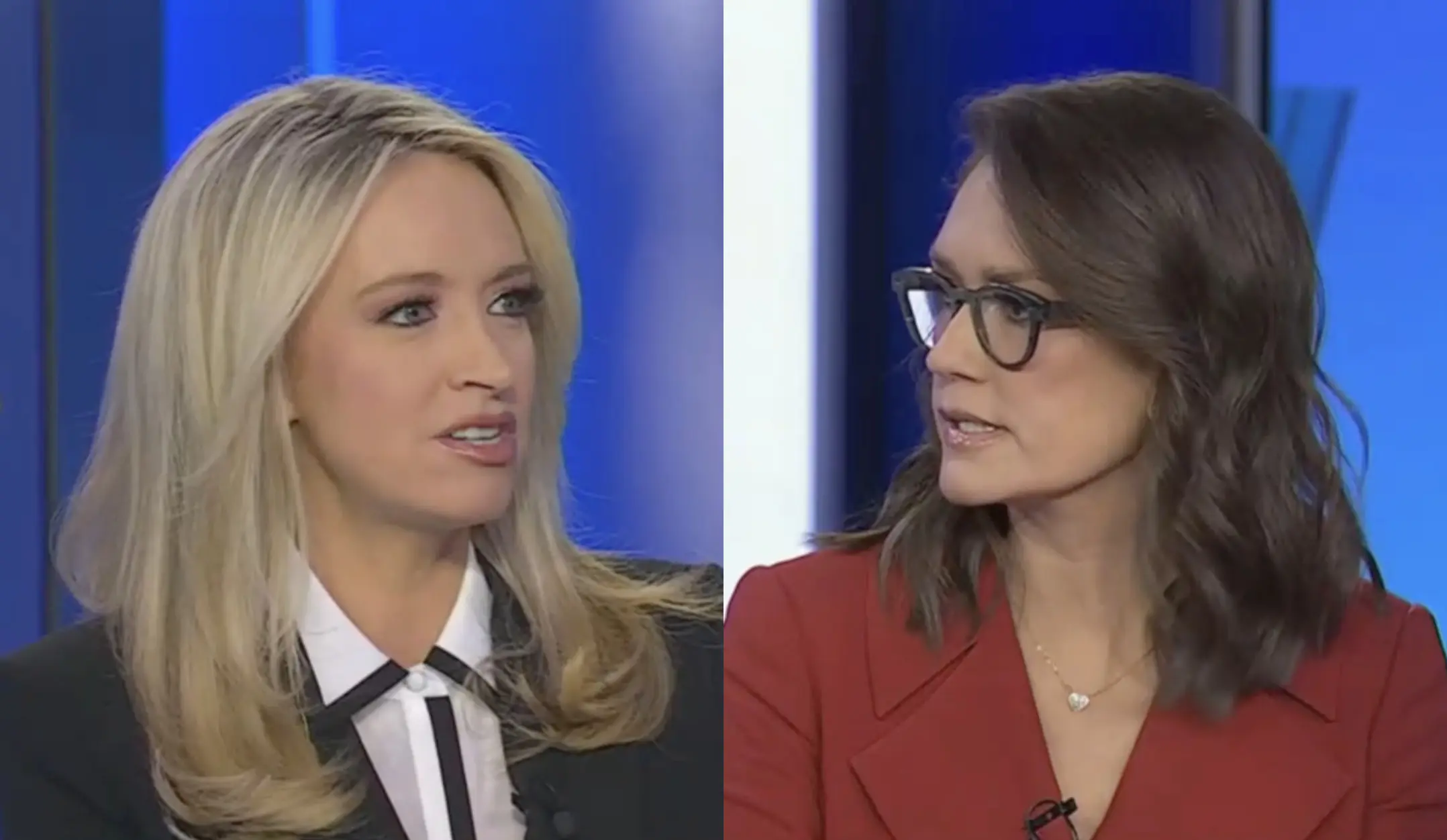
Jessica Tarlov, an esteemed political analyst and pundit, has gained significant recognition in recent years for her insightful contributions to discussions surrounding U.S. politics. Her prominent role in various media outlets has made her a significant figure in political commentary, providing nuanced perspectives on current events, policy issues, and electoral dynamics. Understanding Jessica Tarlov’s viewpoints helps to grasp the complexities of modern political discourse.
Recent Contributions
As a senior director of research at Bustle Digital Group, Tarlov frequently appears on Fox News as a liberal commentator, where she articulates her views on a range of topics, from government policies to social issues. She has recently been vocal about the implications of the 2024 presidential elections. Tarlov argues that the evolving dynamics between Republican and Democratic voters will play a crucial role in determining the outcome of the elections, especially as issues such as healthcare, immigration, and economic recovery remain at the forefront of public interest.
Her analysis during the 2022 midterms highlighted the shifting attitudes of suburban voters, particularly women, who she argues played a pivotal role in Democratic victories in key races. With data-driven insights and a strong narrative style, Tarlov engages audiences and encourages them to think critically about the evolving political landscape.
Public Engagement and Advocacy
Apart from her analytical work, Tarlov is also an advocate for women’s rights and education, often discussing the importance of female representation in politics. Her social media presence amplifies her message, reaching a wider audience and fostering discussions that resonate with younger voters. Recently, she hosted a webinar discussing barriers to entry for women in politics, showcasing her commitment to empowering the next generation of female leaders.
Conclusion
Jessica Tarlov’s influence in political commentary and her ability to articulate complex issues make her a key figure in today’s media landscape. As the political climate continues to evolve, her insights into voter behavior and policy analysis will likely remain essential resources for anyone seeking to understand the intricacies of U.S. politics. With the approach of upcoming elections, her commentary will be vital in shaping public discourse and influencing voter sentiment. For readers interested in staying informed, following Tarlov’s contributions will provide valuable perspectives on the challenges and opportunities that lie ahead.